Quick Brief
This week in technology, regulatory and ethical questions intensified around prediction markets following suspiciously timed bets linked to US-Iran conflict developments. Concurrently, artificial intelligence governance revealed new political dynamics in the US and Europe, highlighting challenges in policymaker engagement and sovereignty ambitions. Meanwhile, ongoing conflict in Ukraine underscored the evolving role of technology in warfare and civilian life.
Scrutiny of Prediction Markets Amid US-Iran Conflict
The spotlight on prediction markets Polymarket and Kalshi intensified after reports emerged of large, well-timed wagers predicting a US-Iran ceasefire shortly before former President Donald Trump’s announcement on 8 April 2026. According to AP News and AP News, these trades were placed by newly created accounts, raising concerns about potential insider information use or market manipulation.
US lawmakers have called for investigations into these activities, emphasizing risks to national security and the integrity of financial and political discourse. The timing and scale of these bets suggest possible access to nonpublic information, which could undermine trust in prediction markets as tools for aggregating public sentiment and forecasting.
Kalshi’s founders addressed these issues publicly on The Axios Show, discussing regulatory challenges, the fine line between prediction markets and gambling, and public perceptions shaped by political figures such as Donald Trump Jr. (Axios). This dialogue reflects broader tensions about transparency, governance, and ethical boundaries in emerging financial technologies that intersect with geopolitics.
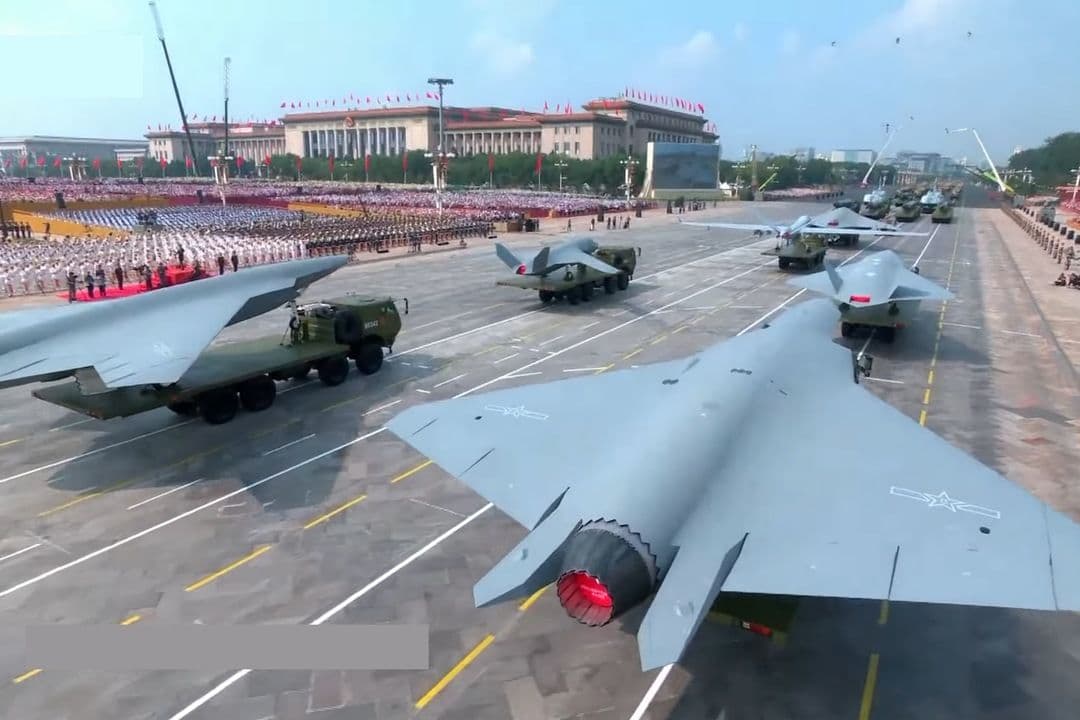
Beyond the markets themselves, the US-Iran conflict’s broader defense and security implications have been analyzed by the Center for Strategic and International Studies (CSIS). Their assessment highlights how hybrid threats—cyberattacks, proxy warfare, and information operations—are increasingly prominent, with vulnerabilities in cloud infrastructure and maritime security (notably in the Strait of Hormuz) exposed by recent strikes (CSIS). These developments underscore the interconnectedness of technology, security, and geopolitical risk.
Shifting AI Governance: US Political Dynamics and EU Sovereignty Ambitions
Artificial intelligence governance emerged as a complex political and strategic arena this week. In the US, Axios reported that AI company CEOs often misinterpret Washington’s regulatory environment, failing to grasp policymakers’ incentives and public concerns about safety, security, and economic impact (Axios). This disconnect hampers effective dialogue and trust-building between industry leaders and lawmakers.
The White House’s strategy to influence AI regulation includes leveraging Republican-led states to pilot and shape AI rules, a move designed to accelerate governance amid slow federal processes and partisan divides (Axios). This approach reflects a pragmatic recognition of the fragmented US political landscape and the need for multi-level regulatory engagement.
Public discourse on AI’s societal impact remains nuanced. An NPR episode revisited AI’s pervasive role in daily life—from healthcare to social interactions—highlighting the tension between optimism about AI’s benefits and apprehension about its risks (NPR). This duality shapes both public sentiment and policy debates.
Across the Atlantic, European universities are positioned as critical actors in advancing AI sovereignty. According to Science|Business, Europe’s strong fundamental AI research base could be leveraged to develop market-ready technologies, provided challenges in scaling and ecosystem support are addressed (ScienceBusiness). This focus on research translation and innovation infrastructure aligns with the EU’s strategic goal to reduce dependence on non-European AI technologies and maintain technological autonomy.
Together, these developments illustrate divergent but complementary approaches to AI governance: the US navigating political complexity and state-federal dynamics, and the EU emphasizing research-driven sovereignty and ecosystem building.
Technology’s Role in Ukraine Amid Prolonged Conflict
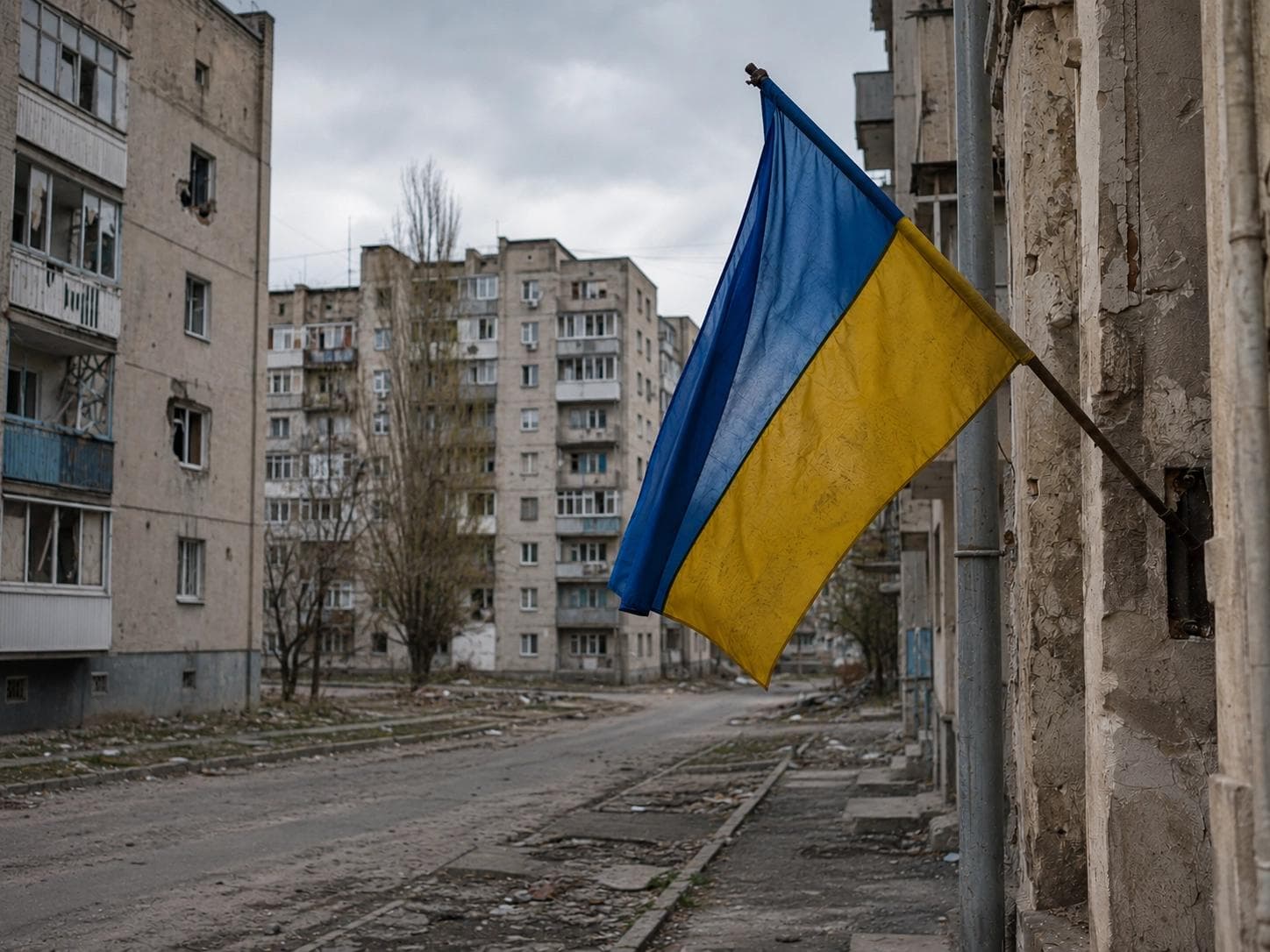
The ongoing war in Ukraine continues to reshape the technological landscape on the battlefield and in civilian life. An NPR report from Kherson detailed how four years of conflict and the increasing use of drones have transformed both military tactics and everyday routines for residents (NPR).
Drones have altered targeting methods and heightened risks to infrastructure, compelling civilians to adapt continuously to air strikes and security measures. This evolution underscores the growing significance of unmanned systems in modern warfare and the humanitarian challenges they pose.
The report also highlights broader social strains, including disruptions to essential services and the psychological toll on populations living in frontline areas. These conditions emphasize the intersection of technology, defense, and humanitarian concerns in conflict zones.
Conclusion
This week’s technology sector developments reveal a landscape where innovation, governance, and geopolitics are deeply intertwined. The scrutiny of prediction markets linked to sensitive geopolitical events exposes vulnerabilities in emerging financial technologies and raises questions about regulatory adequacy and ethical standards.
Simultaneously, AI governance is navigating complex political terrains in the US and Europe, with industry leaders needing to better understand policymaker incentives and public concerns. The EU’s emphasis on university-led AI sovereignty efforts contrasts with the US’s multi-level regulatory strategies, reflecting differing institutional and political contexts.
Finally, the technological dimensions of the Ukraine conflict illustrate how advances in warfare technology directly impact civilian life and security, highlighting the broader societal implications of tech in conflict settings.
Together, these threads underscore the critical need for transparent, adaptive, and multi-stakeholder approaches to technology governance and security in an increasingly complex global environment.