Quick Brief
This week witnessed a significant intensification of conflict in the Middle East following targeted strikes by the U.S. and Israel against Iran, triggering a series of retaliatory missile and drone attacks by Iran and its proxies across the region. The hostilities have expanded to involve Lebanon’s Hezbollah and Gulf states, raising the specter of a broader regional war with implications for global energy security and geopolitical stability. Meanwhile, in Eastern Europe, Ukraine continues to grapple with Russian aggression, advancing low-cost drone defense technologies and navigating complex diplomatic negotiations with the U.S. and Russia. In response to rising drone threats, European nations have bolstered military presence in Cyprus, highlighting the increasing importance of counter-drone capabilities and multinational cooperation.
Escalating Middle East Conflict: A Regional Flashpoint with Global Implications
The past week has seen a sharp escalation in the Middle East conflict, triggered by U.S. and Israeli airstrikes targeting Iranian assets, including the killing of a senior Iranian regime leader. Iran responded with missile and drone strikes against Israel and U.S. allies in the Gulf, including Bahrain, Saudi Arabia, Kuwait, and the United Arab Emirates, as well as attacks on facilities in Cyprus. Hezbollah’s renewed missile attacks on Israel from Lebanon have opened a northern front, marking a significant expansion of the conflict beyond previous boundaries.
These developments represent a dangerous widening of hostilities that risk engulfing Lebanon and potentially other regional actors. The involvement of state and non-state actors in coordinated strikes underscores the complexity and volatility of the conflict. The attacks on strategic locations such as air bases in Cyprus and the U.S. Embassy compound in Kuwait highlight the conflict’s reach and the potential for unintended escalation.
The broader implications are profound: the conflict threatens to disrupt energy supplies from the Gulf, exacerbate regional instability, and complicate diplomatic efforts aimed at de-escalation. The risk of a protracted confrontation involving multiple countries raises concerns for international security and economic stability.
Key developments this week include:
- U.S. and Israeli strikes on Iranian targets, including the elimination of a key Iranian leader, which catalyzed retaliatory missile and drone attacks by Iran and allied militias across the region.
- Hezbollah’s missile attacks on Israel from Lebanon, signaling a new front in the conflict and increasing the risk of Lebanon becoming a major battleground.
- Targeting of Gulf states and critical infrastructure, including air bases in Cyprus, underscoring the conflict’s expanding geographic scope and its implications for allied nations.
These events collectively illustrate the heightened risk of regional escalation and the urgent need for diplomatic engagement to prevent further deterioration What the war feels like in Iran and Israel, The effects of a widening war in the Middle East, Hezbollah strikes Israel, Iran war widens threatens to engulf Lebanon, Iran retaliates after Israel strikes Beirut and Tehran as war enters Day 7.
Ukraine’s Strategic Maneuvers Amid Ongoing Conflict and Drone Warfare
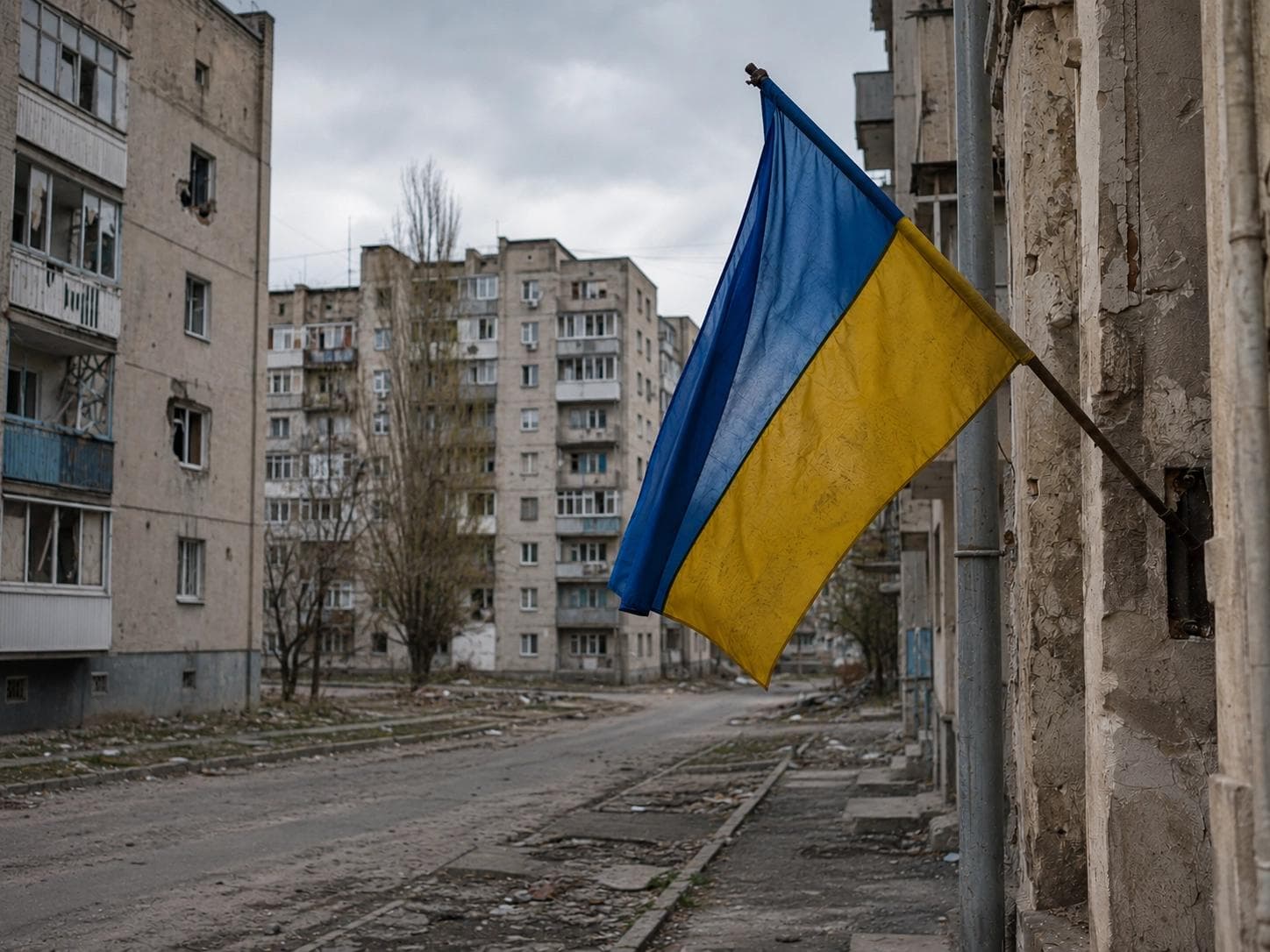
In Eastern Europe, Ukraine remains deeply engaged in its conflict with Russia, with President Volodymyr Zelenskyy actively managing both military and diplomatic fronts. This week, Zelenskyy proposed cooperation to prevent the use of Iranian-made drones, which have been employed by Russia, as a confidence-building measure linked to progress toward a truce. This initiative reflects Ukraine’s strategic approach to mitigating drone threats while seeking avenues for negotiation.
Simultaneously, Ukraine has developed low-cost interceptor drones designed to counter Russian Shahed loitering munitions. These systems have attracted interest from the United States and Gulf states, highlighting their potential to influence air defense strategies. However, wartime export restrictions currently limit Ukraine’s ability to commercialize and export these technologies, constraining broader adoption and support.
Diplomatic tensions persist, with Zelenskyy revealing discussions with the U.S. about postponing peace talks with Russia, emphasizing Ukraine’s refusal to allow Moscow to dictate the terms or timing of negotiations. This stance underscores the complex interplay between military realities and diplomatic efforts in the ongoing conflict.
Additionally, Zelenskyy’s visit to the Donetsk region amid a prisoner exchange with Russia signals continued high-level engagement and the importance of maintaining morale and political resolve on the front lines.
Key points from this week include:
- Zelenskyy’s offer to assist in preventing Iranian drone use as part of a broader truce negotiation framework.
- The development and deployment of affordable interceptor drones by Ukraine, reflecting innovation in asymmetric defense capabilities.
- Ongoing diplomatic discussions with the U.S. regarding the timing of peace talks, highlighting strategic considerations in conflict resolution.
- The symbolic and strategic significance of Zelenskyy’s frontline visit during prisoner exchanges.
These developments demonstrate Ukraine’s multifaceted approach to defense and diplomacy amid persistent hostilities and evolving warfare technologies Zelenskyy Offers Help to Stop Iranian Drones In Return for Truce, U.S., Ukraine Discussed Postponing Peace Talks with Russia, Zelenskyy Says, Ukraine Develops Low-Cost Interceptor Drones to Stop Russian Shaheds, Zelenskyy visits eastern front as Ukraine and Russia exchange POWs, Putin calls for immediate halt to Iran conflict.
Strengthening Regional Defense: European Military Deployments and Drone Threat Responses
The increasing use of drones in conflict zones has prompted significant military responses, particularly in the eastern Mediterranean. This week, a suspected drone strike targeted a Royal Air Force (RAF) base in Cyprus, raising alarms about the vulnerability of overseas military installations to unmanned aerial threats.
In response, France announced the deployment of a frigate along with anti-drone and anti-missile systems to Cyprus to bolster regional defenses and reassure allied partners. This move is part of a broader European effort to enhance maritime security and military coordination in the eastern Mediterranean.
Further reinforcing this commitment, Spain, Italy, and the Netherlands have pledged naval assets to join the European deployment around Cyprus. These contributions aim to increase maritime presence, improve interoperability, and support ongoing operations amid heightened regional tensions.
The drone strike on the RAF base and subsequent multinational military deployments underscore the evolving nature of security challenges, where drone warfare and asymmetric threats require adaptive defense strategies and multinational cooperation.
Key developments include:
- Confirmation by the UK Ministry of Defence of a suspected drone strike on the RAF base in Cyprus, with investigations underway.
- France’s deployment of naval and anti-drone systems to Cyprus, signaling a proactive approach to counter emerging threats.
- Commitment by Spain, Italy, and the Netherlands to join the European naval presence, enhancing collective security efforts.
These actions highlight the strategic importance of Cyprus as a military hub and the growing emphasis on counter-drone capabilities within European defense planning France to Send Anti-Drone Systems to Cyprus After British Base Attack, Report Says, Cyprus RAF Base Faces Drone Attacks, UK RAF Base in Cyprus Hit by Suspected Drone Strike, Ministry of Defence Confirms, RAF base in Cyprus hit by suspected drone strike, Ministry of Defence says, Spain, Italy and Netherlands join European naval deployment to Cyprus.
Conclusion
This week’s defense developments reveal a world grappling with multifaceted and interconnected security challenges. The Middle East faces a dangerous escalation with Iran, Israel, and their allies engaged in a widening conflict that threatens regional stability and global energy markets. In Eastern Europe, Ukraine’s innovative defense measures and diplomatic maneuvers reflect the ongoing struggle to counter Russian aggression while seeking pathways to peace.
Simultaneously, the rise of drone warfare as a potent threat has prompted urgent military responses, particularly in the eastern Mediterranean, where European nations are enhancing their defense postures through coordinated deployments and advanced counter-drone systems.
Together, these dynamics underscore the evolving nature of modern defense — where regional conflicts have global repercussions, technological innovation shapes battlefield realities, and multinational cooperation becomes essential to managing security risks. Monitoring these developments will be critical for understanding future trajectories in defense and international relations.