Lead Summary
International political tensions are intensifying as the United States moves to ease oil sanctions on Russia, drawing criticism from European leaders and Ukraine. Concurrently, conflict-related violence continues in Ukraine amid stalled peace talks, while diplomatic efforts focus on securing maritime routes through the Strait of Hormuz. Additionally, Russia has designated a prominent public figure as a 'foreign agent,' reflecting ongoing internal political pressures.
Key Developments
-
Ukrainian President Volodymyr Zelenskyy and German politician Friedrich Merz publicly opposed the US decision to ease oil sanctions on Russia, warning that the move could weaken pressure on Moscow and undermine efforts to deter its aggression ground.news.
-
The United Kingdom announced it will not follow the US in loosening oil sanctions on Russia, with government officials cautioning that such a step would aid Vladimir Putin's war efforts and pose security and reputational risks amid the ongoing Russia-Ukraine conflict ground.news.
-
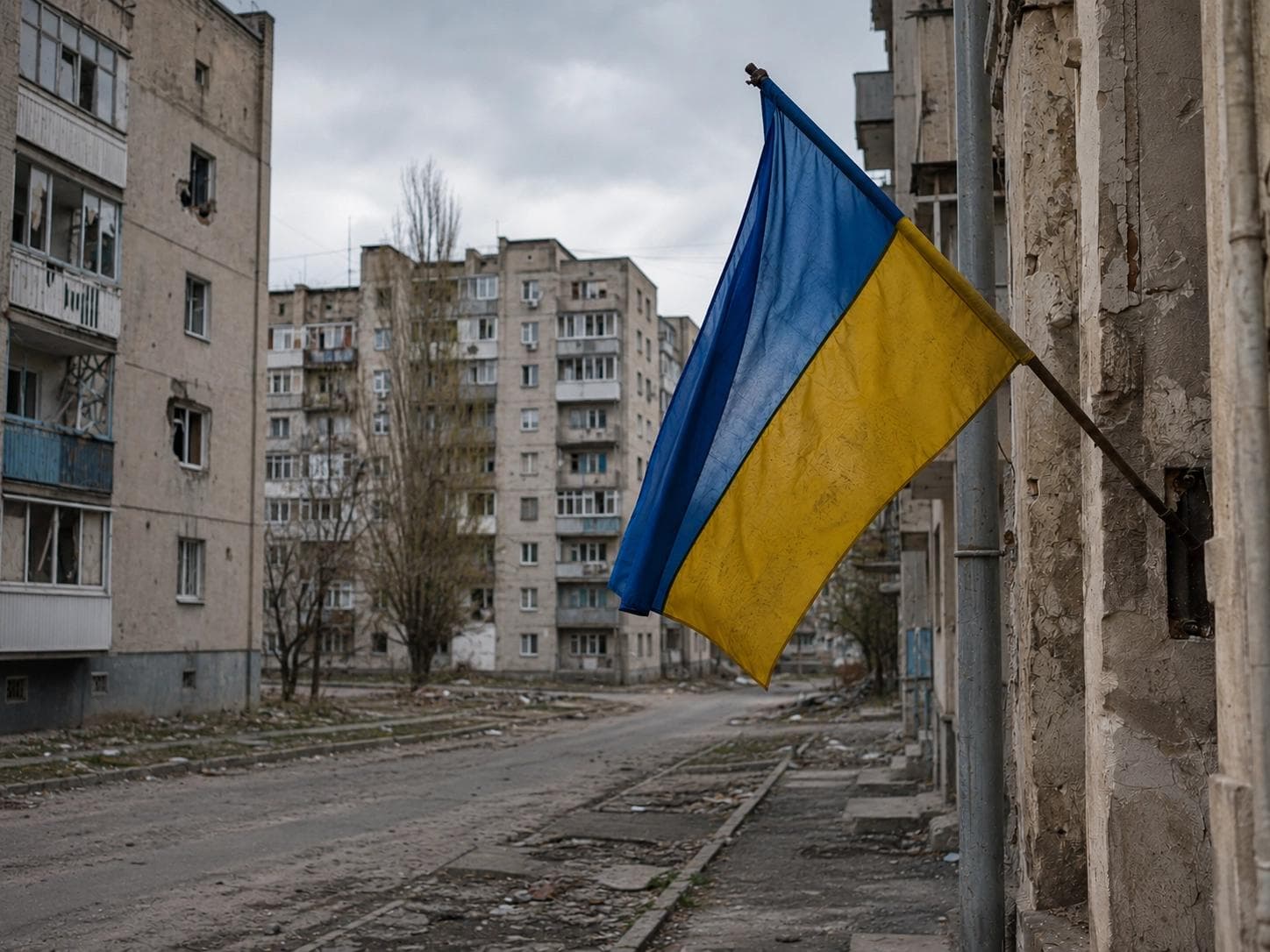
A Russian missile strike in the Kyiv region resulted in four fatalities and 15 injuries, occurring as ceasefire negotiations between Russia and Ukraine remain stalled following the US pause of peace talks linked to broader regional tensions involving Iran npr.
-
France is advancing proposals to ensure safe passage through the Strait of Hormuz, with European allies engaging in discussions with Iran to secure maritime routes critical for energy supplies. Reports indicate no secret talks have taken place, but diplomatic efforts continue amid regional instability ground.news.
-
Russian authorities designated Nina Khrushcheva, great-granddaughter of former Soviet leader Nikita Khrushchev, as a 'foreign agent,' part of a broader pattern of targeting critics and public figures within Russia ground.news.
-
An Iranian lawmaker stated that Ukraine's support for drone operations makes it a legitimate war target, a statement that could further complicate diplomatic relations amid the ongoing conflict ground.news.
What to Watch Next
- The international response to the US easing of Russia oil sanctions, particularly whether other European nations adjust their policies or maintain current restrictions.
- Progress or setbacks in peace negotiations between Russia and Ukraine, especially in light of recent violence and stalled talks.
- Developments in diplomatic efforts to secure safe maritime passage through the Strait of Hormuz and their impact on regional stability.
- Internal political dynamics within Russia, including further designations of public figures as foreign agents and their implications.
These developments underscore the complex interplay of sanctions, military conflict, and diplomacy shaping global political landscapes.