Lead Summary
Heightened military and security tensions continue in Eastern Europe and Southern Europe. NATO jets scrambled in southeastern Poland responding to Russian strikes on Ukraine, temporarily disrupting civilian air traffic. Meanwhile, Italy faces serious sabotage targeting its railway network coinciding with the Olympic Games, prompting increased security measures. In Ukraine, President Zelenskyy reported a coordinated Russian attack involving approximately 400 drones and 40 missiles aimed at crippling the country's energy sector, causing significant infrastructure damage and emergency responses.
Key Developments
NATO Airspace Alerts in Poland
Two airports in southeastern Poland briefly closed after NATO jets were activated in response to Russian missile strikes on Ukraine. The airspace alerts led to temporary operational disruptions at civilian airports before flights resumed normal schedules. This NATO activity underscores the ongoing regional security concerns linked to the conflict in Ukraine and the alliance's readiness posture near its eastern borders source.
Sabotage of Italian Railways During Olympics
Italian authorities have confirmed a serious sabotage incident targeting the country's railway network coinciding with the start of the Olympic Games. The sabotage caused disruptions to rail services and triggered an official investigation. Security around critical transport infrastructure has been heightened to prevent further incidents. The event raises questions about the resilience and protection of vital infrastructure during high-profile international events source.
Large-Scale Russian Drone and Missile Attacks on Ukraine's Energy Sector
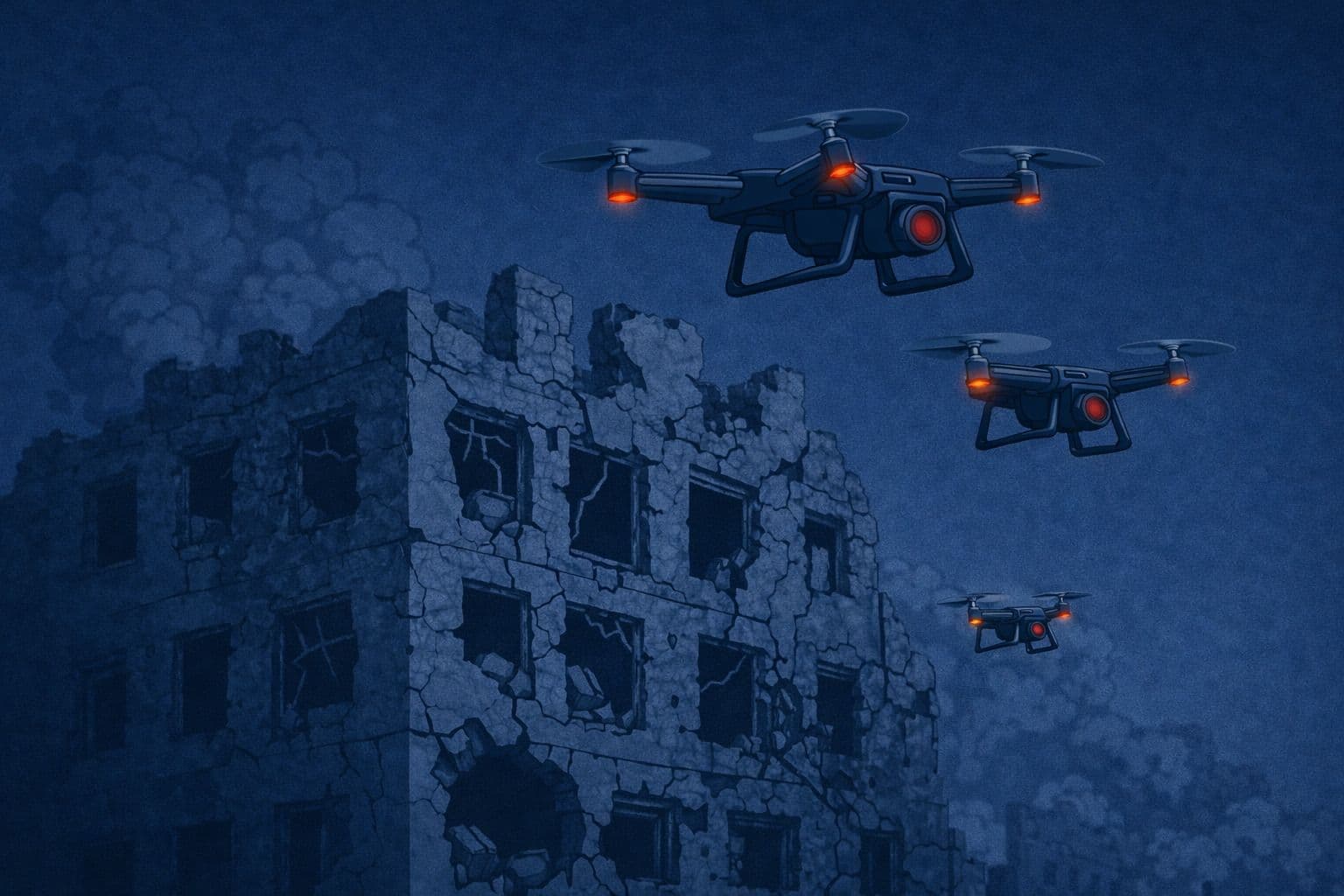
Ukrainian President Volodymyr Zelenskyy reported that Russia launched an extensive assault involving roughly 400 drones and 40 missiles targeting Ukraine's energy infrastructure. The attacks caused damage to power facilities and prompted emergency response operations. Officials warned the strikes aimed to disrupt civilian power supplies, highlighting the strategic targeting of critical infrastructure in the ongoing conflict source.
Implications
The NATO airspace alerts in Poland demonstrate the alliance's vigilance and rapid response capabilities amid escalating tensions on its eastern flank. Temporary disruptions to civilian aviation reflect the operational challenges posed by military activities near civilian infrastructure.
The sabotage of Italy's railway network during a major international sporting event underscores vulnerabilities in critical infrastructure security. It may prompt reassessments of protective measures for transport networks, especially during events attracting global attention.
The scale and coordination of Russia's drone and missile attacks on Ukraine's energy sector reveal an intensified focus on infrastructure warfare aimed at undermining civilian resilience. This tactic complicates Ukraine's defense and recovery efforts and highlights the evolving nature of hybrid warfare.
What to Watch Next
- NATO's ongoing airspace monitoring and potential adjustments in force posture in Eastern Europe in response to Russian military actions.
- Progress and findings of the investigation into the sabotage of Italy's railways, including any attribution and security policy changes.
- Ukraine's recovery and defense measures following the energy sector attacks, and any further escalations or retaliatory actions.
These developments will continue to shape defence and security dynamics in Europe, influencing alliance strategies, infrastructure protection policies, and conflict management approaches.