AI News, Plagiarism, and the New Value of Information Synthesis
How generative AI is reshaping digital publishing, why low-cost writing is becoming abundant, and where editorial value may still hold
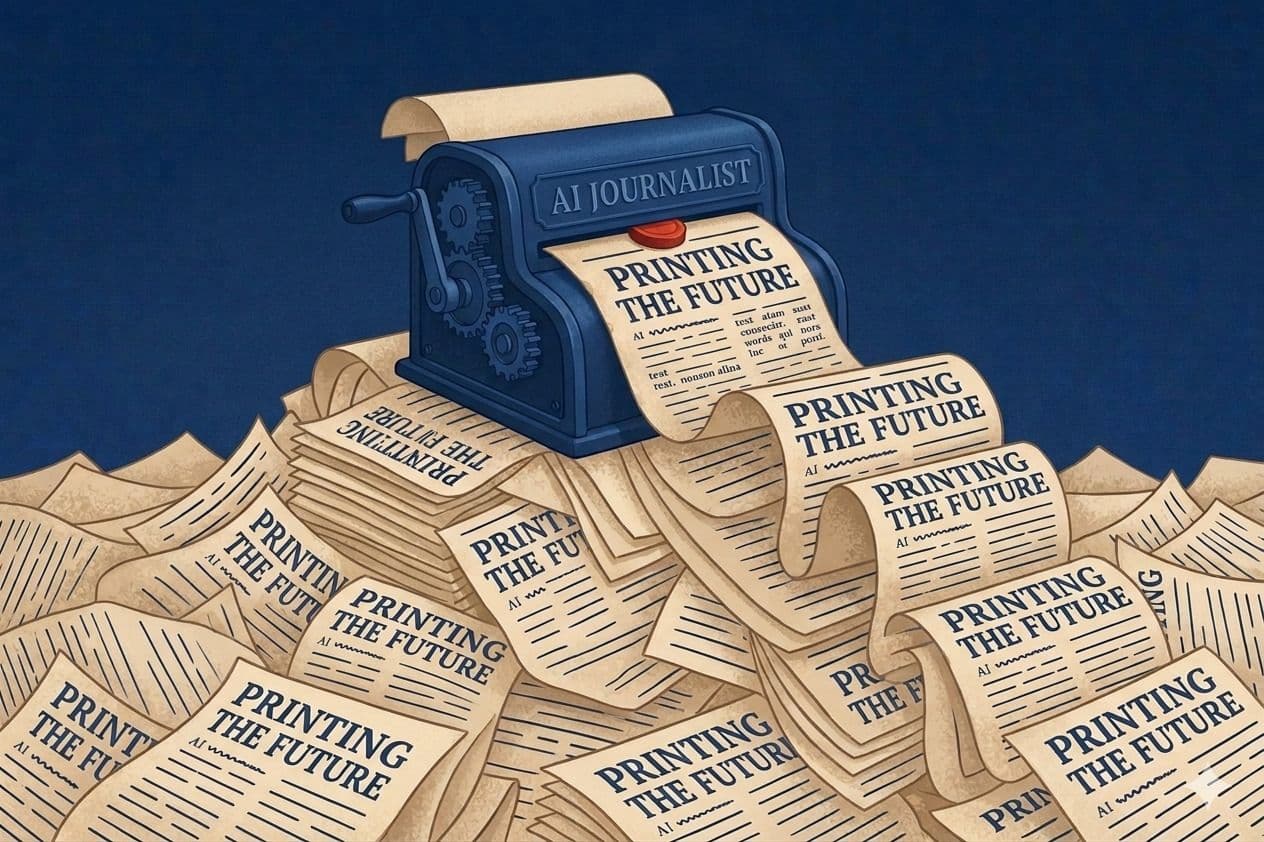
The economics of online writing are changing quickly. As generative AI tools make fluent text cheaper and faster to produce, some media analysts and technologists have started describing a familiar risk: an internet where the supply of written content rises so sharply that parts of the web begin to resemble inbox spam. The Computerphile channel has highlighted related concerns around automated information systems and abuse at scale, a frame that fits a broader publishing debate now moving from theory into newsroom practice.
Recent reporting has given that debate concrete examples. In April 2026, Poynter reported that local stories published by Nota News contained plagiarism and close rewrites of original journalism from other outlets. Follow-up reporting from Poynter and Axios Richmond showed the episode quickly became a broader test case for how AI-assisted local publishing can fail when editorial controls are weak.
This was not an isolated warning. In 2023, NewsGuard identified 37 websites using chatbots to deceptively rewrite articles from mainstream outlets without credit. In 2024, 404 Media demonstrated how cheaply a plagiarizing, AI-powered news site could be assembled, showing that the barriers to producing large volumes of passable prose had fallen dramatically. The core issue in these cases was not that the text sounded robotic. It was that low-cost generation made it easier to strip reporting from its original context, sourcing work, and attribution trail.
That distinction matters for how readers value journalism. Writing itself has not become worthless, but the market value of generic, competent text appears to be under pressure. If a model can produce readable copy in seconds, then clarity alone becomes less scarce. The scarcer inputs are increasingly upstream: original reporting, access to credible sources, timely data, editorial judgment, and the ability to synthesize fast-moving developments without flattening them into recycled summary.
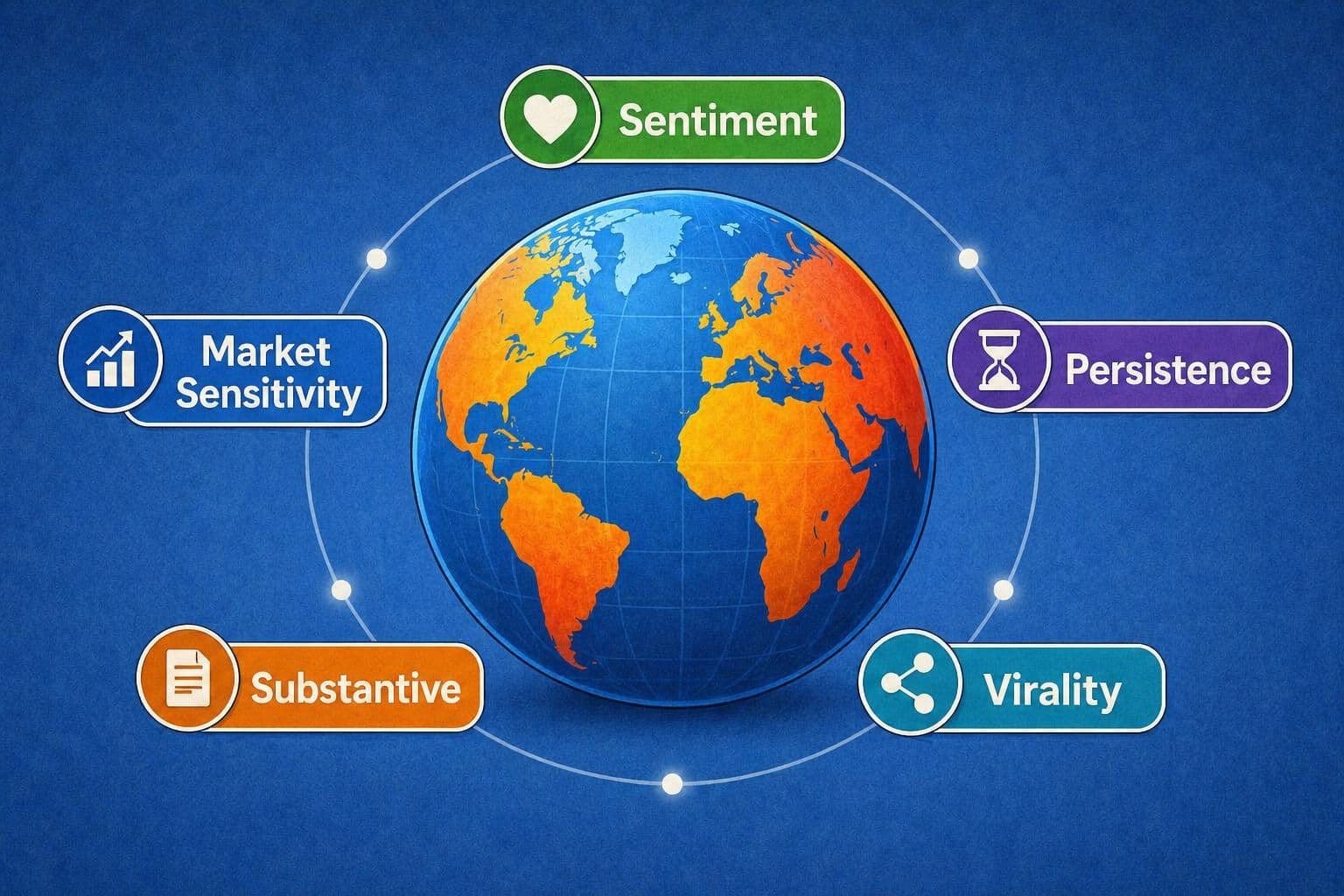
That is where the difference between automated rewriting and a publication like GPS becomes clearer. GPS is not built around copying article structure or paraphrasing one source at a time. Its value proposition is closer to information synthesis: combining reporting from multiple credible outlets, comparing how those outlets frame the same event, and adding current context so the final piece reflects the latest available information rather than only what sits inside a model’s static training data.
One useful way to think about large language models is as experts whose memory is anchored to a particular period. Until their training is refreshed, they are highly capable but time-lagged. Giving them live context is like handing that expert a stack of new reporting and asking what can be built from it. The quality of the answer then depends less on the model’s fluency alone, and more on the freshness, breadth, and reliability of the source material it receives.
That point is increasingly relevant because audience trust is part of the equation. The Reuters Institute Digital News Report 2025 found that traditional news organisations are already operating in an environment of weak trust and fragmented attention, while Reuters reporting on the 2024 report showed many respondents were uncomfortable with AI-generated news, especially on sensitive topics such as politics. At the same time, the Associated Press and later updated AP guidance have emphasized that experiments with generative AI should remain under journalist oversight, with clear verification and editing standards.
For publishers, this creates two parallel realities. On one side, the cost of producing words has fallen. On the other, the value of trusted synthesis may persist precisely because most models still rely on the same broad internet corpus and do not automatically carry enough relevant, up-to-date reporting into a given answer. In that environment, the edge may shift away from mere text production and toward editorial systems that can source widely, compare perspectives, track new facts as they emerge, and show readers where the information came from.
From an SEO perspective, that also changes what may matter. If search and discovery systems are increasingly flooded with interchangeable summaries, then articles that add clear source-grounded synthesis, timely statistics, and transparent attribution may have more durable value than high-volume copy designed only to match keywords. The competition, in other words, is no longer just over who can write. It is over who can still make information more useful.