Key Developments
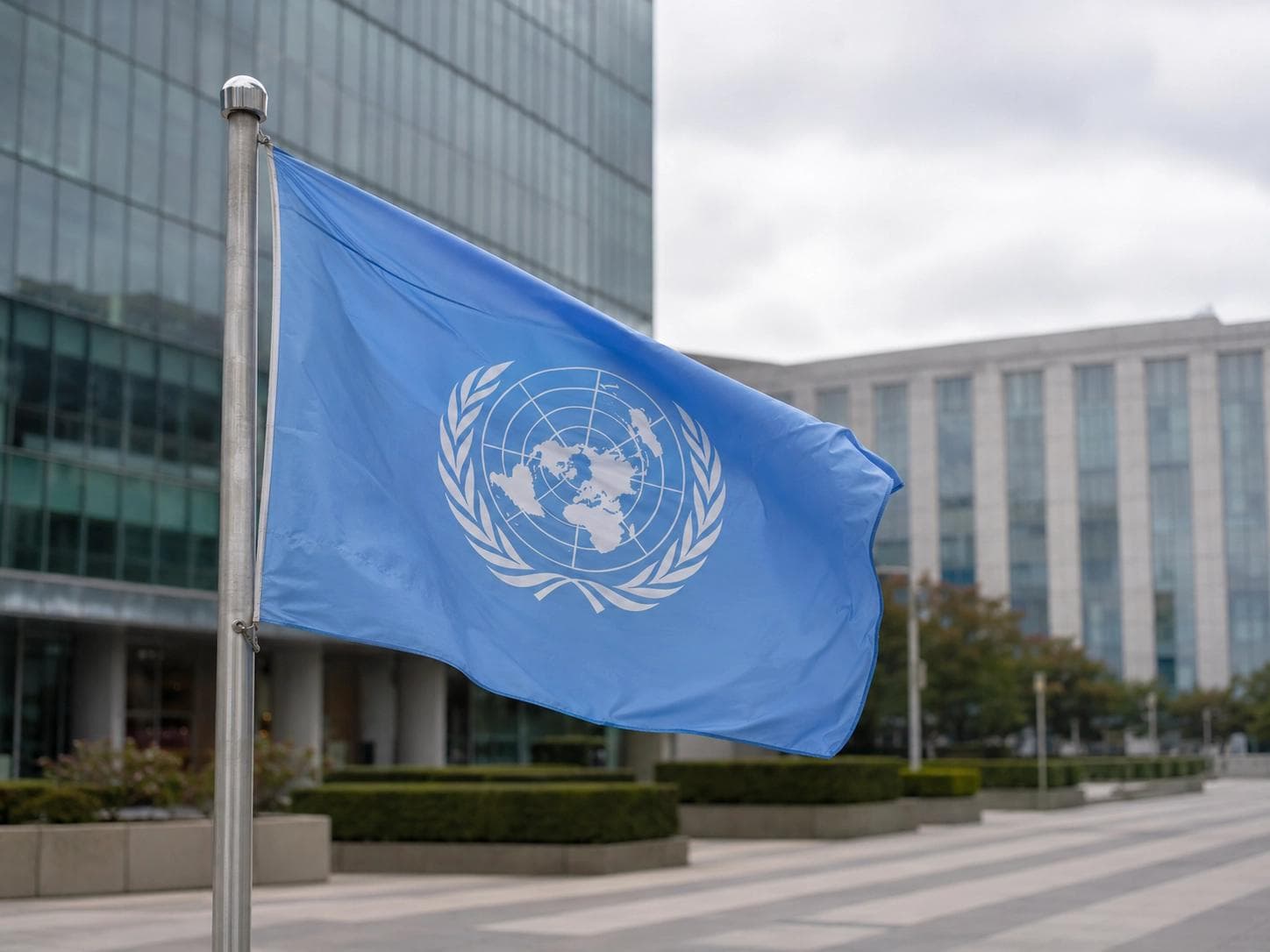
In a 2 April 2026 statement to the UN Security Council, HM Government said it would continue to champion coordination between the United Nations and the League of Arab States to address regional tensions, citing Iranian actions affecting the Strait of Hormuz and the need for collective efforts to uphold regional stability.
Key Statistics
- 40 international partners convened around the UK-highlighted coordination effort, according to HM Government.
- 37 countries engaged through UN–League of Arab States coordination, per HM Government.
- Historical comparator: over 40 representatives engaged in related UK outreach at a prior Security Council discussion, according to HM Government.
Main Body
On 2 April 2026, the United Kingdom told the UN Security Council that it would continue to promote coordination between the United Nations and the League of Arab States to manage escalating regional tensions, with particular concern for the Strait of Hormuz. In its statement, HM Government linked the need for tighter cooperation to Iranian actions that had affected the waterway, and it underlined a commitment to collective international efforts aimed at regional stability and maritime security.
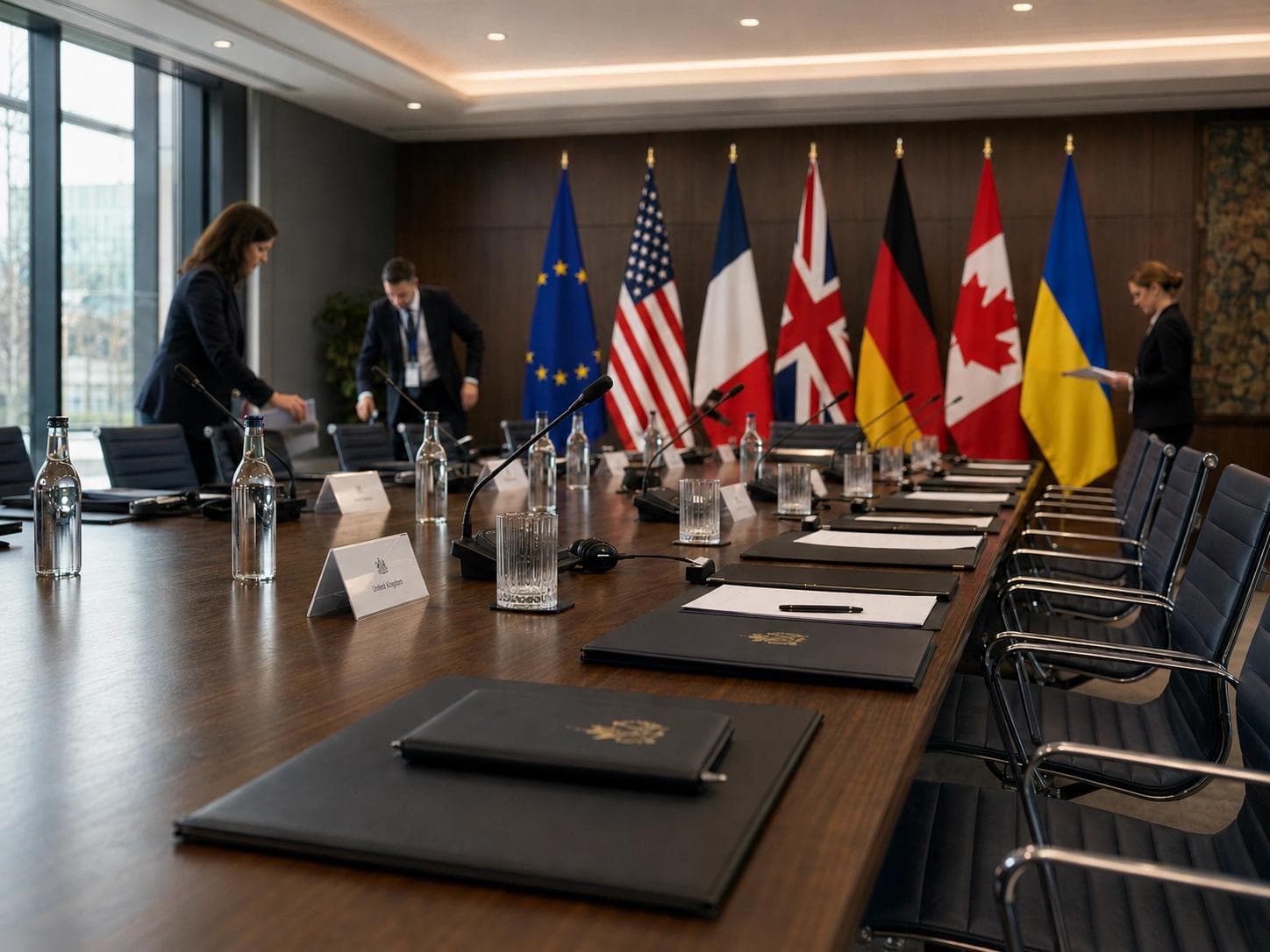
The UK described the coordination drive as a platform to align international partners on security priorities and practical responses. According to HM Government, the effort convened 40 international partners and engaged 37 countries, reflecting the scope of diplomatic and security stakeholders tied to Gulf stability and freedom of navigation. The statement framed the approach as multilateral, combining UN mechanisms and engagement with the League of Arab States to support de-escalation and reinforce established norms on maritime conduct and regional security.
The announcement followed a related message the same day in which the UK reaffirmed work with the Gulf Cooperation Council, the United Nations, and Security Council members, and condemned Iranian attacks on GCC nations while stressing attention to humanitarian conditions in Gaza and the West Bank. In that 2 April statement, HM Government noted engagement with more than 40 representatives, underscoring sustained outreach. Earlier, on 25 March 2026, the UK told the Human Rights Council it condemned Iranian military aggression against several Gulf nations and called for an immediate cessation of attacks, as recorded by HM Government. The wider diplomatic line was consistent with G7 foreign ministers’ support for regional partners against attacks by Iran and its proxies, detailed by the Ministry for Europe and Foreign Affairs on 21 March 2026.
The focus on UN–Arab League coordination came amid parallel moves by partners to protect shipping in the region. France and South Korea said they would work together to ensure security and freedom of navigation in the Strait of Hormuz, as AP News reported. Regionally, France also discussed de-escalation and support for Saudi Arabia in talks with the Saudi foreign minister on 26 March 2026, according to the Ministry for Europe and Foreign Affairs. Beyond the Gulf, partners continued to signal maritime vigilance, with the United States completing Exercise Sea Dragon 2026 to improve multinational antisubmarine warfare operations in the Indo-Pacific, the Department of War said. Together, these steps indicated that London’s call for structured UN–regional coordination sat within a broader pattern of allied measures to deter threats, protect maritime commerce, and reinforce rules-based security arrangements at sea.