Key Developments
HM Government awarded £283.5 million in contracts to support maintenance of 3,000 small defence vessels, creating over 100 skilled jobs, according to HM Government. The move aligned with a procurement push outlined the same day by Minister Luke Pollard, including a £5 billion in-year uplift and a 50% SME spend increase by 2028, as set out by HM Government.
Key Statistics
- £283.5 million in contracts to support small defence vessels
- 3,000 small boats covered across the Royal Navy, Army and others
- Over 100 skilled jobs expected to be created across the UK
- UK defence spending at 2.6% of GDP
- £270 billion total UK defence spending cited alongside the award
- £5 billion additional UK defence spending allocated this year
- 50% target increase in SME defence procurement by May 2028
Main Body
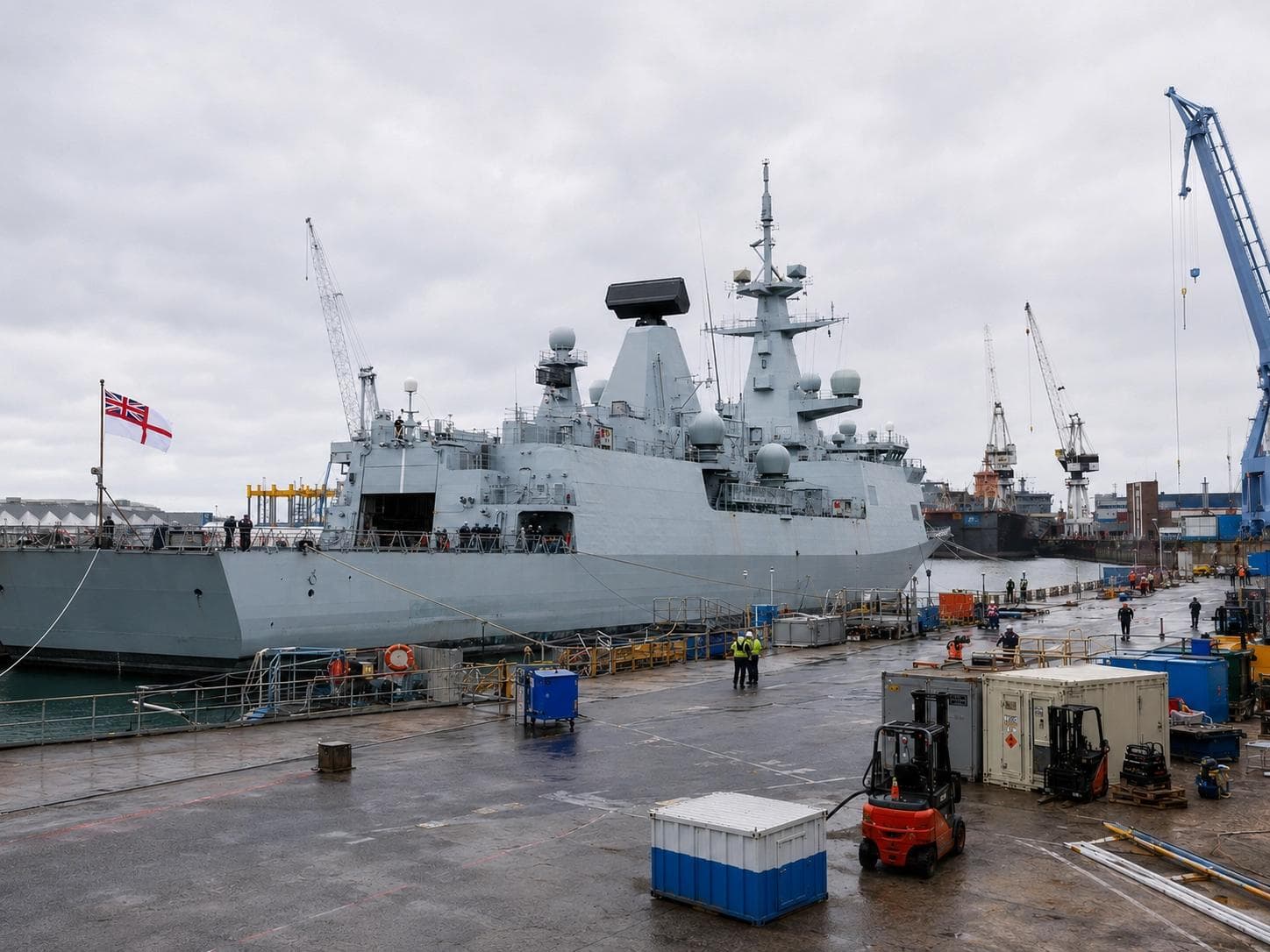
On 25 March 2026, the United Kingdom confirmed new contracts worth £283.5 million to maintain and support a fleet of 3,000 smaller defence vessels used by the Royal Navy, the Army and other defence bodies, according to HM Government. The announcement stated that five suppliers were selected and that the work was expected to create over 100 skilled jobs nationwide while supporting the reopening of docks. The government framed the contracts as part of an effort to strengthen domestic industry and sustain readiness for maritime and littoral tasks.
The award formed part of a wider procurement and industrial agenda set out the same day by the Minister for Defence Readiness and Industry. In a keynote address to the DPRTE 2026 forum, Luke Pollard said the government had allocated an additional £5 billion to defence this year and committed to increase spending with small and medium-sized enterprises by 50% by May 2028, underscoring a focus on innovation, skills and supply-chain resilience, as outlined by HM Government. The boat support contracts were presented alongside headline spending figures that put UK defence at 2.6 percent of GDP and a total of £270 billion, according to HM Government.
The announcement also fitted into recent government actions aimed at sustaining the combat air and maritime industrial base. On 25 March 2026, the UK and Türkiye agreed a multi billion pound training and support package linked to a Typhoon export, with pilot and ground crew training in the UK and an estimated 20,000 UK jobs supported across industry, according to HM Government. In the parliamentary sphere, Allies had highlighted the urgency of reinforcing defence production. On 18 March 2026, NATO parliamentarians meeting at the OECD in Paris focused on economic resilience and defence investment, stressing the need to revitalise industrial bases, as reported by the NATO Parliamentary Assembly. On 23 March 2026, a NATO PA delegation in Washington and Nevada emphasised the speed and scale required in defence industrial production for current security demands, according to the NATO Parliamentary Assembly.
The broader significance of the UK’s small vessel support package lay in its effect on operational readiness and domestic industrial capacity. Sustained maintenance of small craft used for training, patrol, transport and support functions underpinned daily tasks across the Royal Navy and the Army, which depended on high availability of platforms for coastal, port and range operations. The government argued that the distributed contract model would back British suppliers and dock facilities, contributing to regional employment and skills, according to HM Government. The move also sat within a wider European trend to channel public funds toward defence-related resilience. On 25 March 2026, the European Commission said Member States had reprogrammed €34.6 billion from cohesion policy funds to strategic priorities including competitiveness, defence and civil preparedness, as reported by the European Commission. The emphasis on industrial and preparedness measures gained salience amid analysis that shifting security dynamics in the Gulf could create space for greater European engagement in defence cooperation and infrastructure, as the European Council on Foreign Relations noted.