Key Developments
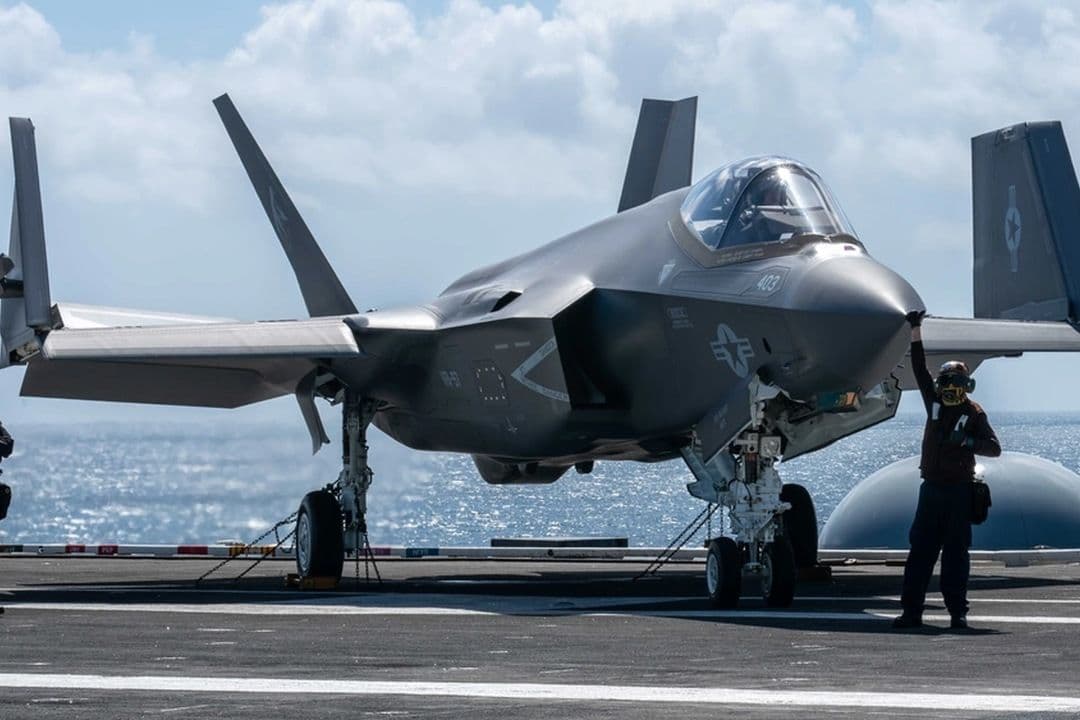
On 21 August 2026, the Norwegian Armed Forces said Norwegian F-35s had scrambled for two consecutive days to identify Russian military aircraft in international airspace off Finnmark, while the Norwegian Armed Forces also reported talks in Bodø on closer U.S.-Norwegian cooperation to support NATO readiness.
Key Statistics
- 2 Russian military aircraft were identified near Finnmark by Norwegian F-35s, according to the Norwegian Armed Forces
- 40 Quick Reaction Alert missions are flown by Norway in a typical year, according to the Norwegian Armed Forces
- 5 NATO-accredited Centres of Excellence support alliance resilience work, according to NATO Allied Command Transformation
- Comparative: 25% was the increase in UK maritime monitoring operations responding to Russian activity, according to HM Government
- Comparative: 24,000 nautical miles were sailed by Royal Navy forces during the UK monitoring period, according to HM Government
Main Body
On 21 August 2026, the Norwegian Armed Forces said Norwegian F-35 fighter jets had scrambled for two consecutive days to identify Russian military aircraft operating in international airspace off Finnmark. The Norwegian Armed Forces said the aircraft included an Ilyushin Il-20M reconnaissance platform that was detected and shadowed by Norwegian jets.
The Norwegian Armed Forces described the flights as Quick Reaction Alert missions and said they formed part of routine work to maintain oversight of air traffic and allied activity during Cold Response 2026. In a separate 21 August 2026 announcement, the Norwegian Armed Forces said officials met in Bodø to examine how U.S. support could strengthen Norway’s national defence and improve interoperability with NATO allies.
The developments followed wider alliance activity on readiness and Russian military monitoring. On 20 August 2026, NATO Allied Command Transformation said NATO resilience planning used a whole-of-society approach and drew on Centres of Excellence to link military preparedness with civilian infrastructure and services. On 8 August 2026, HM Government said UK forces had increased monitoring of Russian activity in UK waters.
The practical significance was that Norway linked tactical air surveillance in the High North with longer-term capability planning with the United States. The Norwegian Armed Forces framed the Bodø discussions as part of work to meet NATO capability targets, while the Norwegian Armed Forces presented the F-35 scrambles as a routine mechanism for situational awareness in nearby international airspace.