Key Developments
On 12 October 2026, the Bundeswehr said Germany’s critical infrastructure protection covered civilian and military systems, with the armed forces focused on defence-relevant sites and support to civilian authorities during crises.
Key Statistics
- Current: 500,000+ people potentially affected by an outage under the critical-infrastructure threshold cited in the Bundeswehr explainer.
- Historical: 1,700 civilian and military personnel took part in Red Storm Charlie in Hamburg.
- Historical: 3 days was the duration of the Red Storm Charlie exercise in Hamburg.
- Historical: 3 locations were used for the Vigilant Roland II homeland protection exercise.
- Historical: 2 weeks was the duration of the Vigilant Roland II homeland protection exercise.
Main Body
On 12 October 2026, the Bundeswehr set out how it viewed critical infrastructure protection in Germany, stating that functioning civilian and military systems were central to national security and that the armed forces concentrated on infrastructure needed for defence tasks.
The Bundeswehr said its role was primarily to secure defence-relevant facilities while assisting civilian authorities when crisis conditions required military support. The Bundeswehr also linked critical infrastructure protection to military readiness, because disruption to key systems could affect the armed forces’ ability to operate.
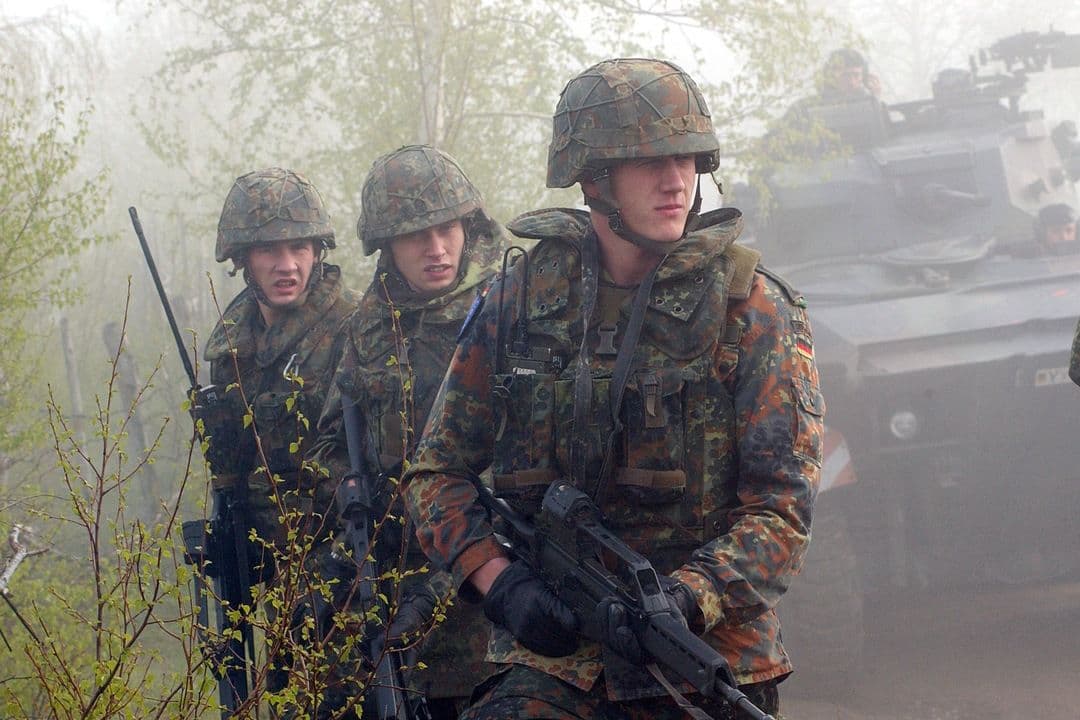
The announcement followed recent homeland defence activity. On 9 October 2026, the Bundeswehr said Homeland Protection forces had trained for two weeks at three locations during Vigilant Roland II, including scenarios involving sabotage, espionage, civil-military cooperation and drone surveillance. On 30 September 2026, the Bundeswehr reported that 1,700 civilian and military personnel had trained in Hamburg during Red Storm Charlie against a hybrid attack scenario involving drone-assisted attacks.
The wider significance was that German defence planning treated infrastructure security as both a military and civil resilience issue. On 5 October 2026, the Bundeswehr reported that the Military Counterintelligence Service had warned of growing sabotage, espionage and hybrid-threat risks to the armed forces. On 30 September 2026, the Netherlands Ministry of Defence said European armed forces and defence industry needed faster cooperation in response to a less stable security environment.