Key Developments
MEPs approved a package to ease military movements across the EU, adding a digital permit system, infrastructure upgrades, and a solidarity pool to close capability gaps. The plan included an emergency mechanism with rapid activation and defined duration, according to the European Parliament.
Key Statistics
- 49 votes in favour for the mobility plan in the European Parliament vote
- 9 votes against the plan in the same vote
- 4 abstentions recorded in the vote
- 48 hours maximum to activate the emergency response mechanism under the plan
- 12 months maximum duration for an activated emergency response under the plan
Main Body
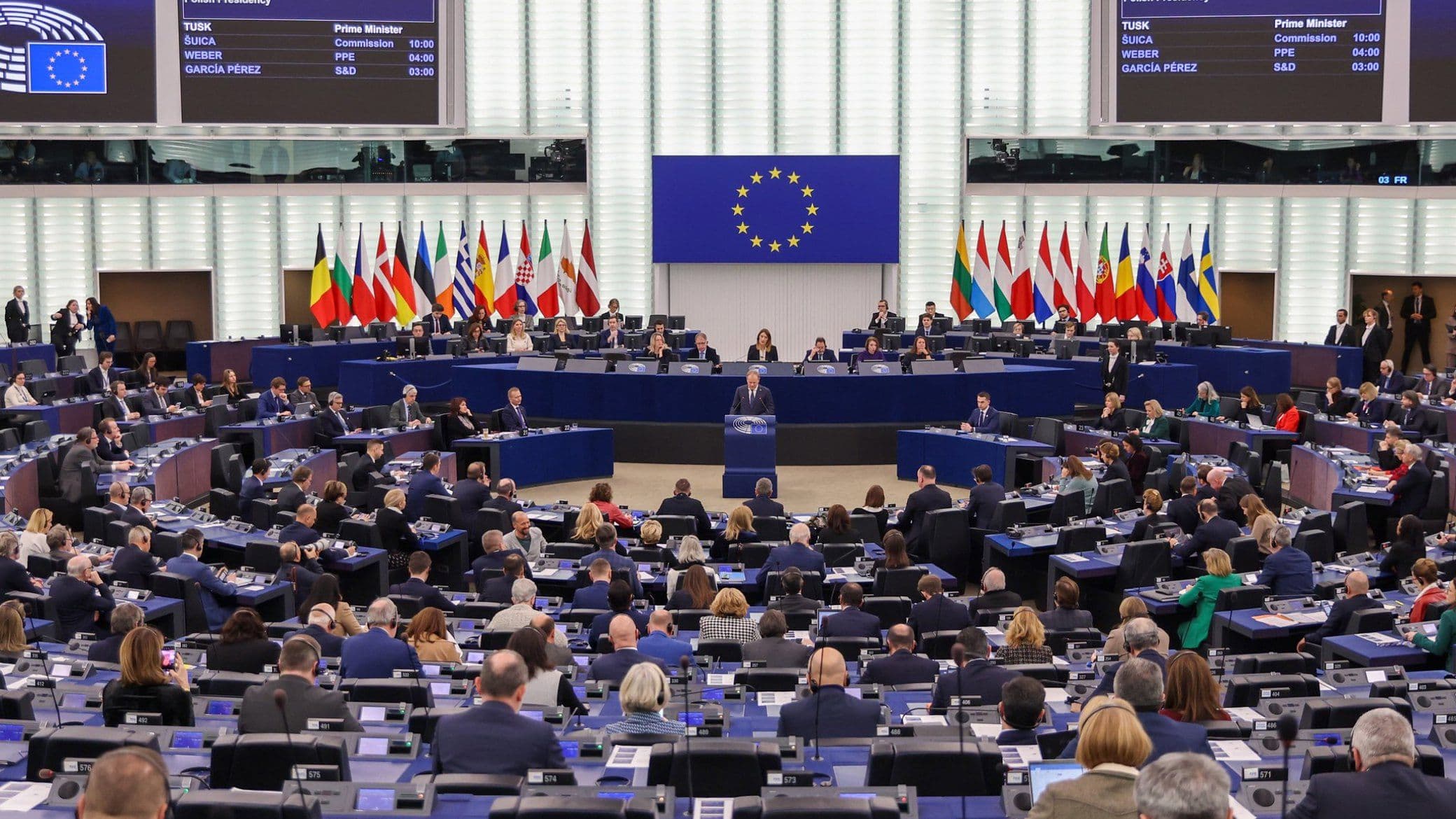
On 23 June 2026, the European Parliament said MEPs backed measures to facilitate military mobility across the EU to help deter potential aggression, noting Russia’s actions in Ukraine as context. The package set out a digital system to speed cross-border permissions, upgrades to make infrastructure more resilient to heavy and sensitive military traffic, and a solidarity pool to address capability gaps among member states. MEPs recorded 49 votes in favour, 9 against, and 4 abstentions. The measures also included an emergency response mechanism that could be activated within 48 hours and run for up to 12 months.
Operationally, the proposal sought to cut administrative delays for moving personnel and equipment, standardise authorisation procedures, and ensure secure access to transport assets, according to the European Parliament. The digital permitting system was intended to reduce friction at borders and speed reinforcement timelines, while targeted infrastructure improvements aimed to accommodate oversized loads and sensitive cargo. The solidarity pool was designed to help states with shortfalls meet common mobility standards.
The vote followed the Council’s general approach on a negotiating mandate for the Military Mobility Regulation, which the European Commission welcomed on 18 June 2026. The Commission highlighted goals to simplify cross-border authorisations, enhance transport infrastructure, and secure access to transport assets, indicating institutional alignment on enabling faster intra-EU military movements.
The development mattered for EU defence readiness by reducing time and administrative barriers to move forces where needed, as the European Parliament noted. It also came amid Science|Business reporting that collaboration in testing defence innovations is set to grow, underscoring a broader EU effort to align regulations, infrastructure, and technology adoption to strengthen collective security.