Key Developments
On 14 April 2026, the European Commission issued guidance to intensify cooperation between EU customs and businesses against illicit trade, encouraging proactive reporting, 24/7 contact points for urgent alerts, and secure whistleblowing channels.
Key Statistics
- 24/7 contact points for urgent customs alerts proposed in the Commission’s guidance
- 91% of small parcels arriving in Europe originated from China, a European Parliament delegation reported (historical context)
Main Body
On 14 April 2026, the European Commission published guidance to strengthen cooperation between EU customs authorities and companies to combat illicit trade. The document encouraged proactive reporting of suspicious activity, the creation of 24/7 contact points for urgent alerts, and secure whistleblowing channels to expose internal collusion.
According to the European Commission, the guidance aimed to make information flows between businesses and customs more immediate and reliable. Firms were encouraged to nominate real-time contacts for customs, share relevant intelligence promptly, and use protected channels to report suspected wrongdoing inside organizations. These measures were designed to help authorities and companies flag and disrupt illicit trade more quickly.
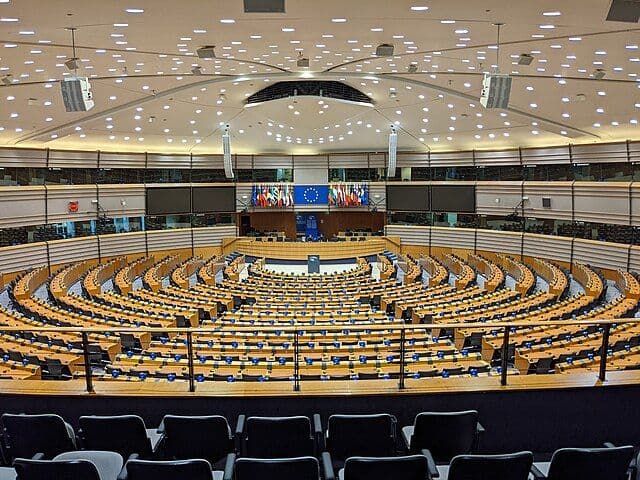
The push came amid sustained scrutiny of e-commerce flows into the EU. On 2 April 2026, the European Parliament reported that 91 percent of all small parcels arriving in Europe originated from China and urged stronger oversight and compliance by platforms. Earlier, on 31 March 2026, France’s Ministry for Europe and Foreign Affairs said Minister Jean-Noël Barrot discussed industrial competitiveness, sovereignty, and economic security with Commission Executive Vice-President Stéphane Séjourné, reflecting a broader policy focus on enforcement and the single market (Ministry for Europe and Foreign Affairs).
The guidance carried wider significance for EU trade management and consumer protection. It was released as cross-border ties with key partners remained in focus. On 14 April 2026, the Ministry of Foreign Affairs of the PRC said President Xi Jinping met Spanish Prime Minister Pedro Sánchez and discussed deepening cooperation in sectors including trade, underscoring the need for robust and efficient customs-business cooperation to safeguard the integrity of the EU single market. On 10 April 2026, the European Commission also announced that several Commissioners would attend the IMF and World Bank Spring Meetings to engage on global growth, support for Ukraine, and sustainable development, highlighting the EU’s external economic agenda alongside internal enforcement efforts.