Key Developments
On 13 May 2026, the European Commission issued a catalogue of practical national measures to curb oil and gas use, protect consumers, and strengthen energy resilience, according to the European Commission. The move followed earlier Commission assessments of oil, gas, and jet fuel security that found no EU-wide shortages but warned of potential regional constraints if Strait of Hormuz disruptions persisted, asoutlined by the European Commission and the European Commission.
Key Statistics
- 15-20 Mtoe potential oil-use reduction targeted by listed practices
- 10-15 bcm potential natural gas demand reduction targeted
- 0 EU-wide fuel shortages reported in recent Commission assessments
Main Body
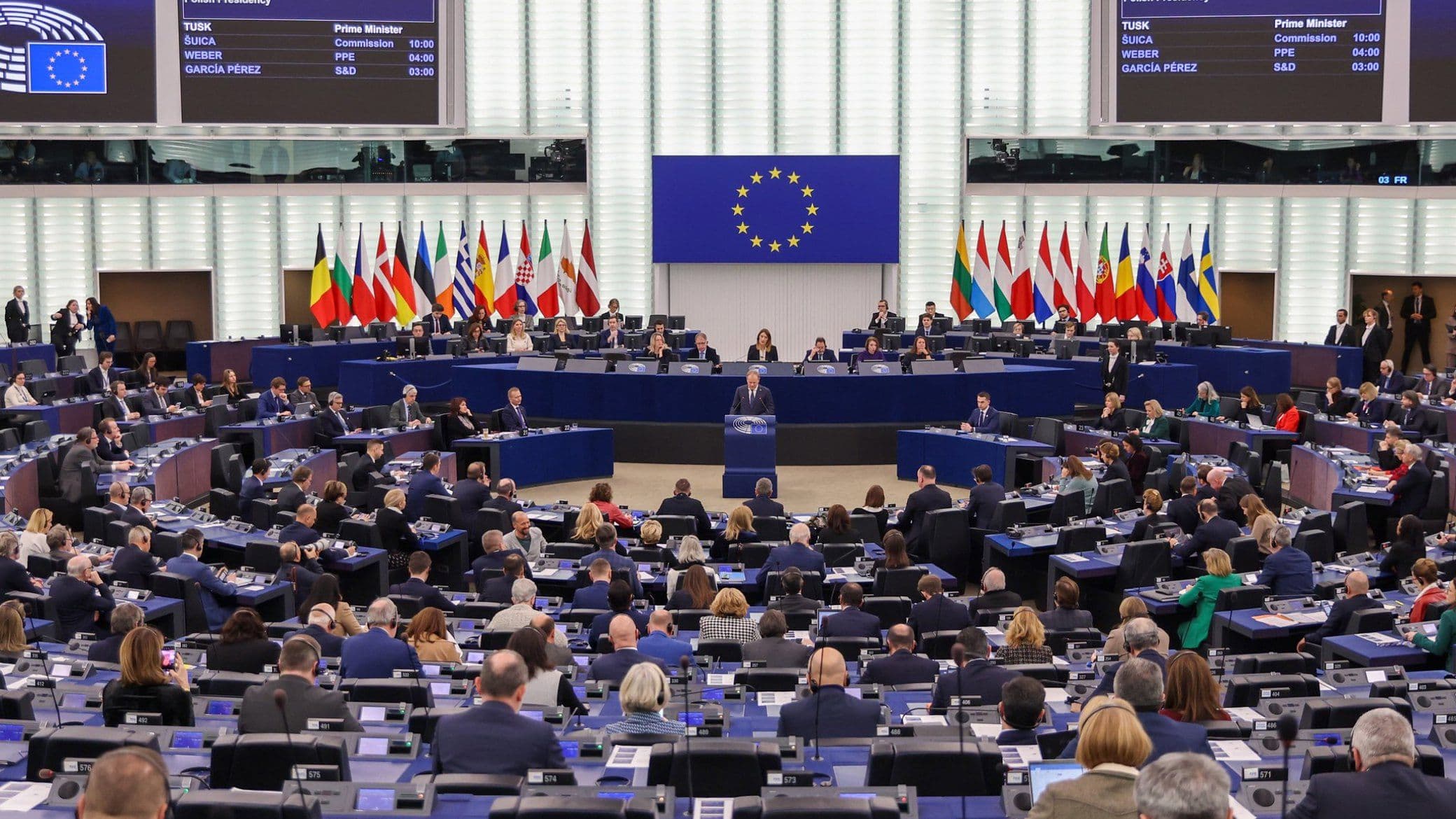
On 13 May 2026, the European Commission provided EU countries with a catalogue of national practices to address the energy crisis exacerbated by conflict in the Middle East, aiming to cut oil and gas consumption, reduce costs, and enhance system resilience, the European Commission said. The Commission indicated the examples targeted reductions of roughly 15 to 20 million tonnes of oil equivalent and 10 to 15 billion cubic metres of natural gas demand, and focused on protecting consumers, immediate energy savings, and investments in clean energy solutions, according to the same statement.
The Commission’s practical guidance complemented parallel security assessments and coordination on liquid fuels. On 7 May 2026, the Oil Coordination Group reviewed the EU jet fuel supply situation and noted the risk of regional constraints should oil flows via the Strait of Hormuz remain blocked, emphasising coordinated responses and regular reviews, the European Commission reported. Earlier, on 30 April 2026, the Commission met EU countries and industry and found no EU-wide fuel shortages, though commercial stocks of crude and jet fuels were declining amid maritime disruptions, according to the European Commission.
These steps reflected a sustained effort to align demand-reduction measures with supply-security coordination, combining consumer protection, efficiency, and clean energy investment with market monitoring and joint communication, the European Commission and the European Commission indicated.
For defence and civil protection planning, maintaining oil and jet fuel availability and lowering demand pressure supported continuity of aviation, logistics, and emergency services. By coupling near-term savings with coordinated fuel security mechanisms, the measures aimed to reduce vulnerability to maritime disruptions around the Strait of Hormuz and to sustain critical mobility across the EU, the European Commission noted.