Key Developments
On 19 November 2026, the Netherlands Ministry of Foreign Affairs launched NPDII to accelerate Dutch defence innovation and production, while the Swedish Defence Materiel Administration reported expanded contracting activity and the Bundeswehr established new Army formations in Munster.
Key Statistics
- €1.6 billion: Dutch defence budget figure cited with the NPDII launch by the Netherlands Ministry of Foreign Affairs
- 40%: Dutch defence industry growth figure cited by the Netherlands Ministry of Foreign Affairs
- €15 billion: Dutch defence industry revenue target cited by the Netherlands Ministry of Foreign Affairs
- 3,000: contracts signed this year by the Swedish Defence Materiel Administration
- 172: new suppliers signed by the Swedish Defence Materiel Administration
- 8: battalions established by the German Army in Munster, according to the Bundeswehr
- 2: companies established by the German Army in Munster, according to the Bundeswehr
Main Body
On 19 November 2026, the Netherlands Ministry of Foreign Affairs announced the National Program for Defense Industry and Innovation at the NEDS industry fair and said it was intended to speed innovation and production in the Dutch defence sector. The Netherlands Ministry of Foreign Affairs said the program was designed to reduce dependence on foreign entities, protect important knowledge and improve access to private capital.
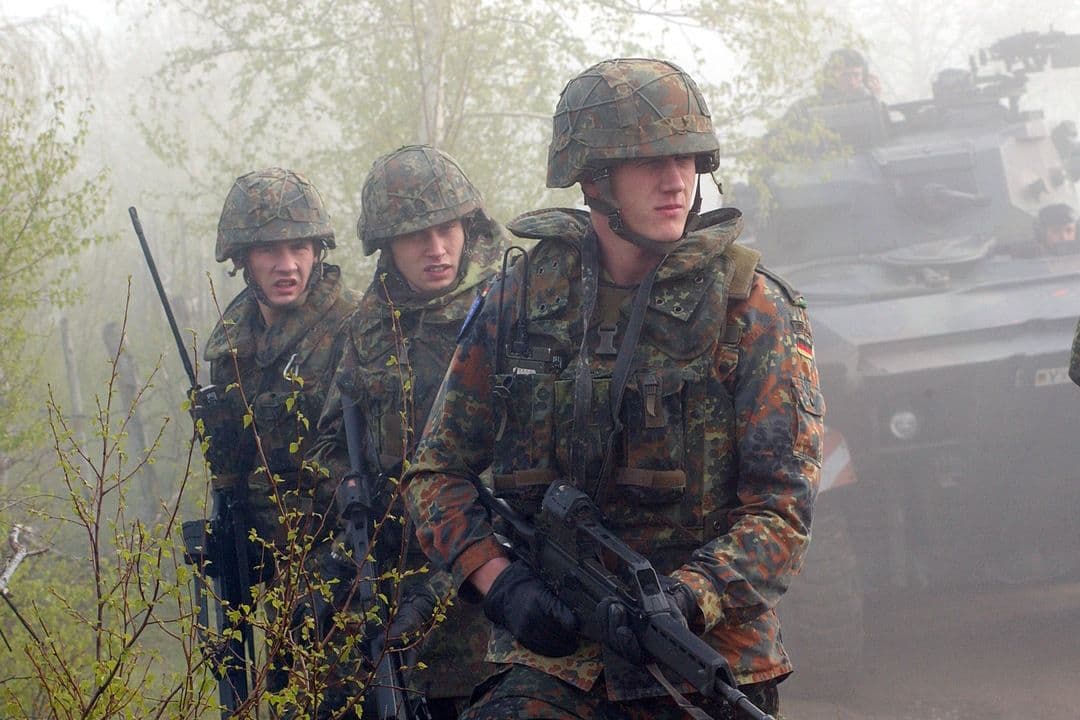
The Netherlands Ministry of Foreign Affairs said the program focused on integrated air and missile defence, data-driven command, unmanned systems and sustainability. Also on 19 November 2026, the Swedish Defence Materiel Administration said it had signed about 3,000 contracts this year, about half through competition, and had used procurement methods intended to bring in new suppliers. On 19 November 2026, the Bundeswehr said the German Army had established eight battalions, two companies and the Center for Digitalization Land in Munster.
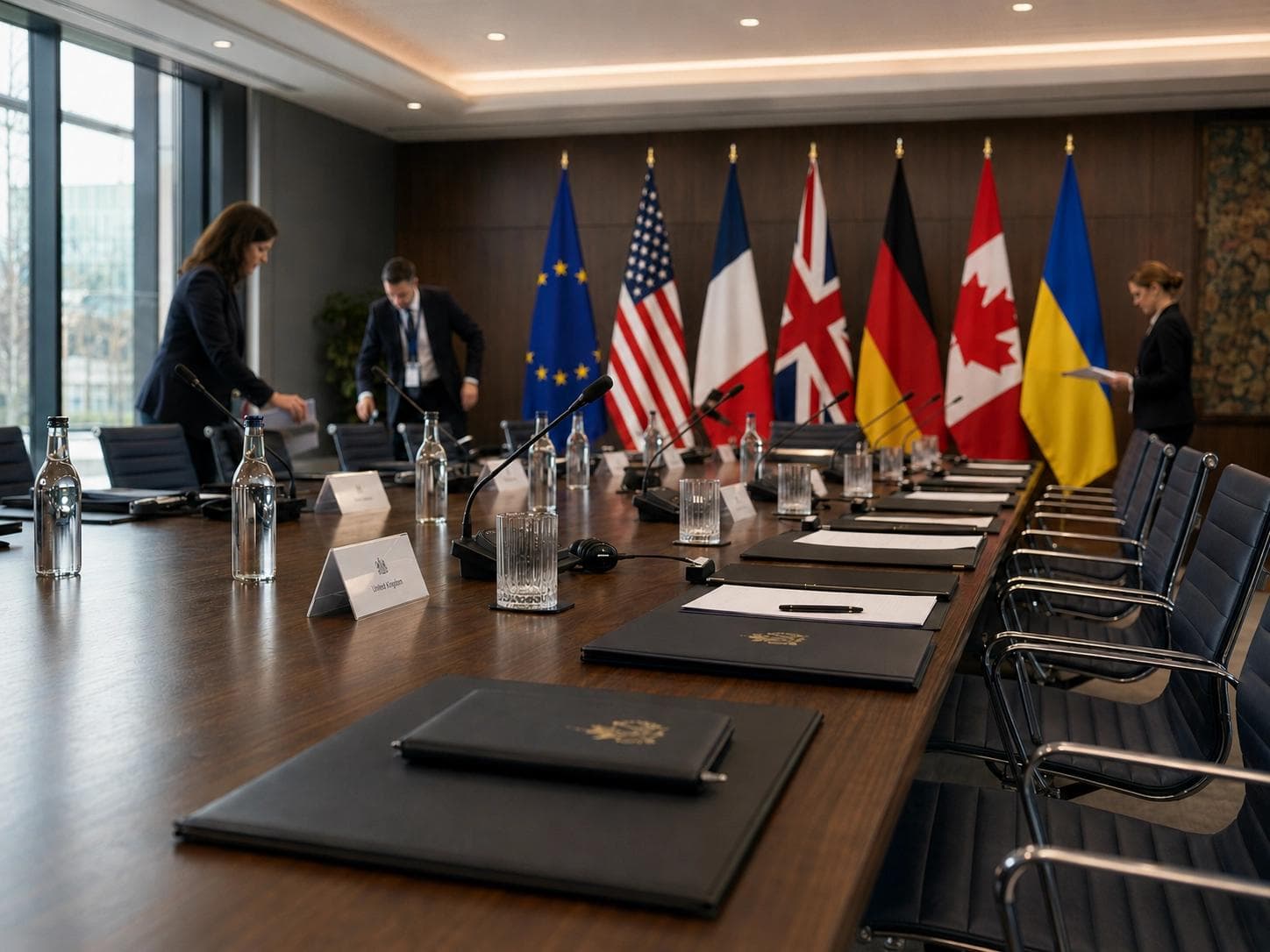
The Dutch launch followed wider allied industrial policy signals. On 13 November 2026, NATO said Secretary General Mark Rutte had called expanded transatlantic defence cooperation crucial and had cited more than $50 billion in new defence procurements announced at the NATO Summit. On 8 November 2026, the European Commission said it had committed €100 million to Defence Equity Facility 2.0 to help mobilise €1 billion for European defence companies, including SMEs and start-ups.
The practical significance was capacity. The Bundeswehr said the new German units were linked to support for the armored brigade in Lithuania, connecting national force generation to alliance defence. The NATO Parliamentary Assembly had said on 12 November 2026 that rapid development, secure supply chains and sustained investment were central to meeting allied defence needs and supporting deterrence.