Key Developments
On 27 September 2026, the Netherlands Ministry of Defence announced that Zr.Ms. Evertsen had deployed to the Middle East for more than three months, where it was set to replace Zr.Ms. De Ruyter and support operations in the Strait of Hormuz and EU missions.
Key Statistics
- 1 Dutch frigate, Zr.Ms. Evertsen, was deployed to the Middle East
- More than 3 months was the planned duration of Zr.Ms. Evertsen's mission
- Nearly 6 months was the duration of Zr.Ms. De Ruyter's preceding deployment, according to historical government context
- 200 crew members served aboard Zr.Ms. De Ruyter during that preceding deployment, according to historical government context
Main Body
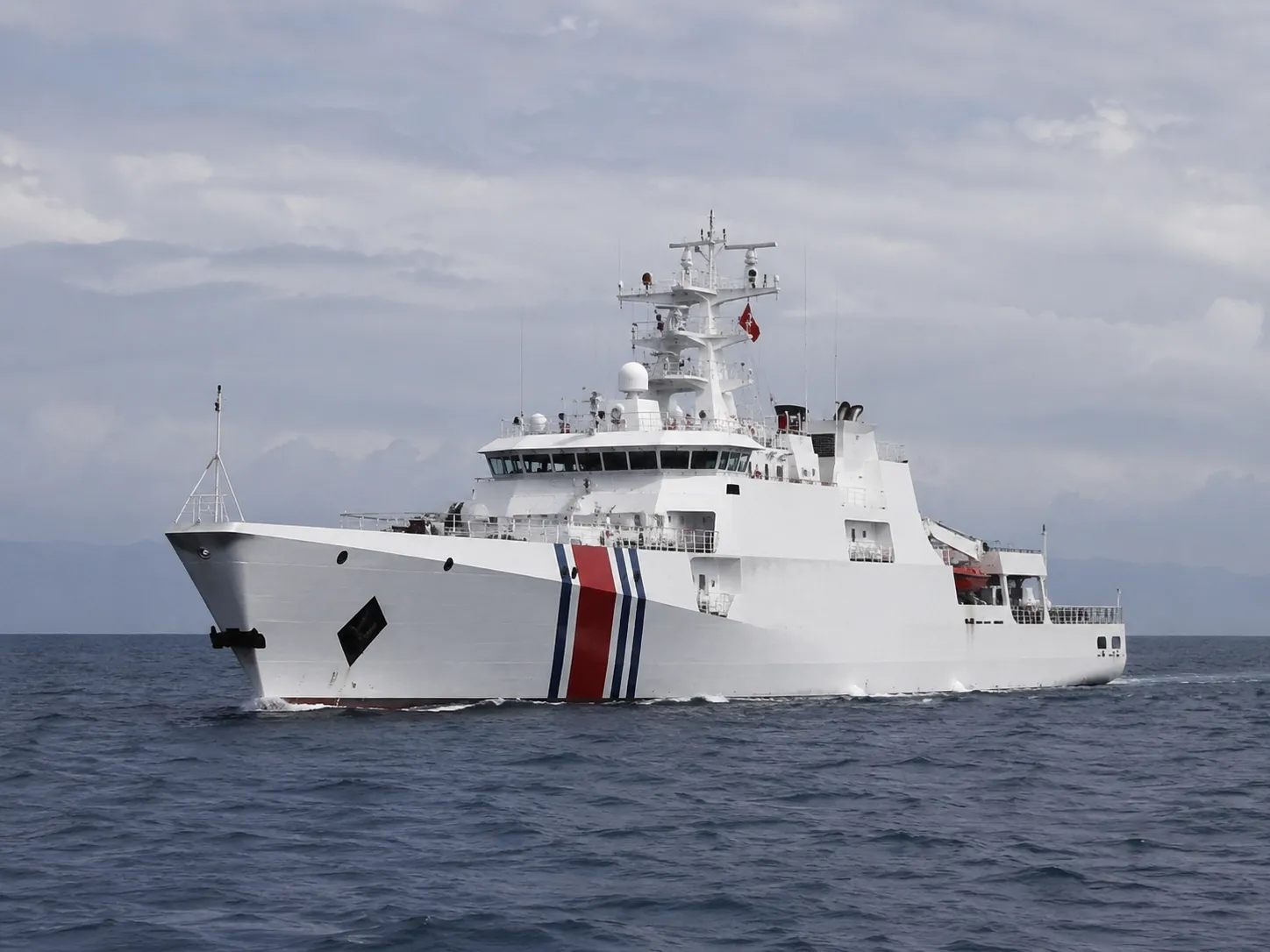
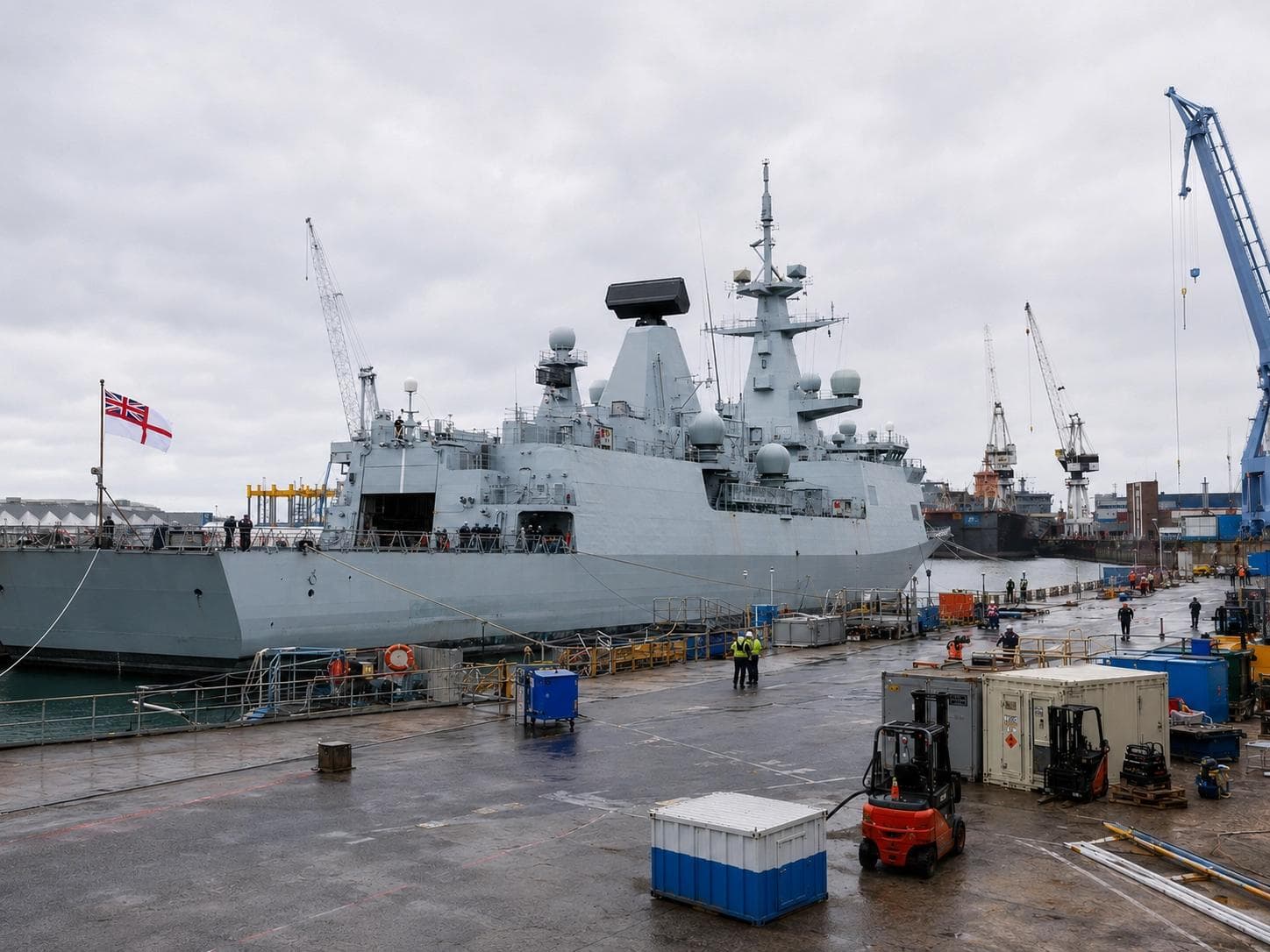
On 27 September 2026, the Netherlands Ministry of Defence announced that the frigate Zr.Ms. Evertsen had sailed for the Middle East on a mission planned to last more than three months. The ministry said the ship was assigned to take over from Zr.Ms. De Ruyter and operate in a region that includes the Strait of Hormuz.
The Netherlands Ministry of Defence said Evertsen would soon take aboard an international staff to lead military operations in the Strait of Hormuz. The ministry also said the frigate would support European Union missions during the deployment, giving the Dutch navy roles in both coalition command activity and EU-linked maritime security tasks.
The deployment followed the return of Zr.Ms. De Ruyter to Den Helder, which the Netherlands Ministry of Defence announced on 22 September 2026 after nearly six months away. The ministry said De Ruyter had operated in the Strait of Hormuz after initially being sent to the Indo-Pacific to help protect free passage and strategic shipping routes.
The move mattered because the Netherlands Ministry of Defence identified the Strait of Hormuz as important to global trade. By replacing De Ruyter with Evertsen, the Netherlands maintained naval continuity in a key maritime corridor while supporting allied and EU security activity, according to the ministry's account of the mission.