Key Developments
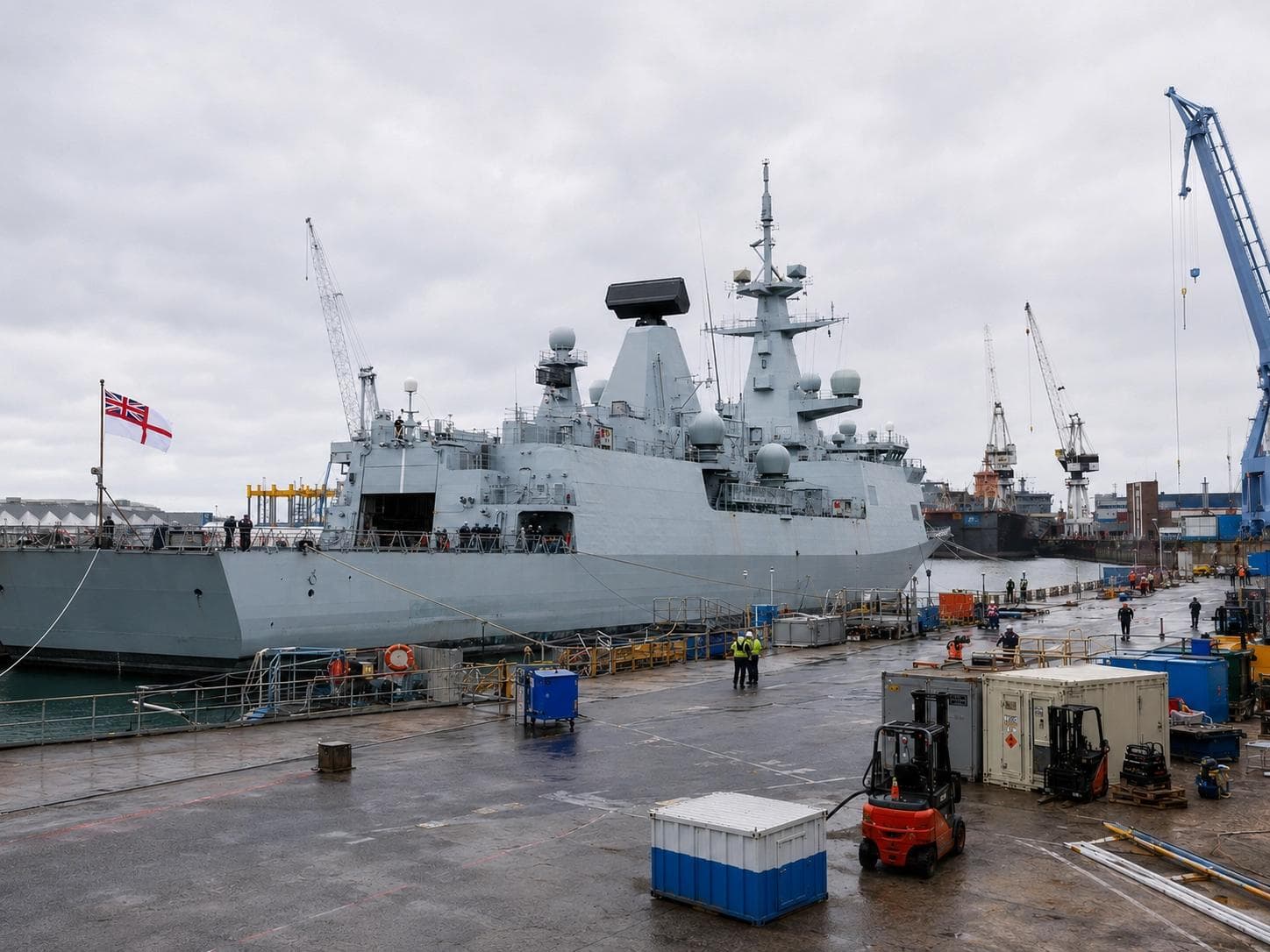
On 30 September 2026, the Netherlands Ministry of Defence said Zr.Ms. Willemstad detonated a 500-kilogram sea mine off Zeebrugge with Belgian naval support, while Dutch forces trained in Greenland, Lithuania and Germany. The ministry said the activities supported maritime safety, allied readiness and training for Ukrainian soldiers.
Key Statistics
- 500 kg sea mine detonated off Zeebrugge, according to the Netherlands Ministry of Defence
- €10 million listed for defence training-centre modernization, according to the Netherlands Ministry of Defence
- 40 Dutch marines participated in Arctic Shield, according to the Netherlands Ministry of Defence
- 400 military personnel took part in Arctic Shield, according to the Netherlands Ministry of Defence
- Historical context: 10 countries joined Arctic Shield, according to the Netherlands Ministry of Defence
- Historical context: 1,500 participants joined REPMUS 2026 experimentation, according to NATO Allied Command Transformation
Main Body
On 30 September 2026, the Netherlands Ministry of Defence said the naval vessel Zr.Ms. Willemstad had destroyed a 500-kilogram sea mine off Zeebrugge in cooperation with the Belgian navy. The ministry also reported Dutch participation in exercises and training activity across Europe, including Greenland, Lithuania and Germany.
The Netherlands Ministry of Defence said Dutch marines had taken part in Arctic Shield in Greenland, trench combat training in Lithuania and instruction for Ukrainian soldiers in Germany. The same update listed €10 million for modernization of defence training centres, linking operational activity with improvements to military training infrastructure.
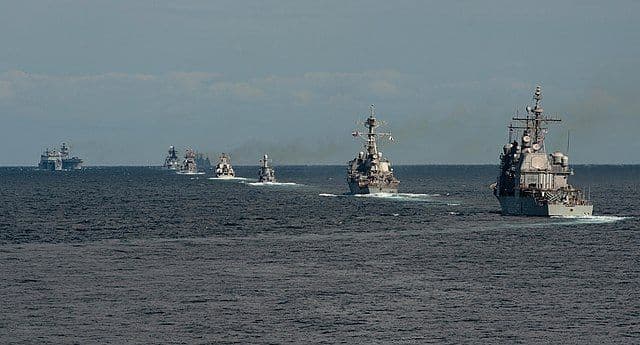
The current update followed a 25 September 2026 Netherlands Ministry of Defence account of Arctic Shield, which said 40 Dutch marines and more than 400 military personnel from 10 countries trained in demanding Greenland conditions. On 24 September 2026, NATO Allied Command Transformation said separate REPMUS 2026 work involved about 1,500 participants from 36 navies and nearly 300 connected capabilities for Arctic command-and-control experimentation.
The activity mattered in practical security terms because the Netherlands Ministry of Defence described a mix of maritime clearance, allied exercises and Ukrainian training support. That combination addressed explosive hazards at sea, helped maintain NATO-linked deployment skills and sustained military instruction for Ukraine during ongoing European security demands.