Key Developments
On 6 April 2026, the Department of War said DLA Energy's supply chain supported NASA's Artemis II mission by meeting operational needs. On 2 April 2026, the Department of War said Space Launch Delta 45 supported the launch from Cape Canaveral. The update came as NPR reported the crew prepared for a close lunar flyby.
Key Statistics
- 4 astronauts on the Artemis II crew
Main Body
On 6 April 2026, the Department of War said the Defense Logistics Agency Energy sustained NASA's Artemis II by coordinating a complex supply chain to meet the mission’s operational needs. The department stated that DLA Energy’s role was critical to ensuring the mission remained on schedule and that required support reached the right places at the right time. The update came as NPR reported the crew was preparing for a close lunar flyby, underscoring continued public and policy attention on the mission’s progress.
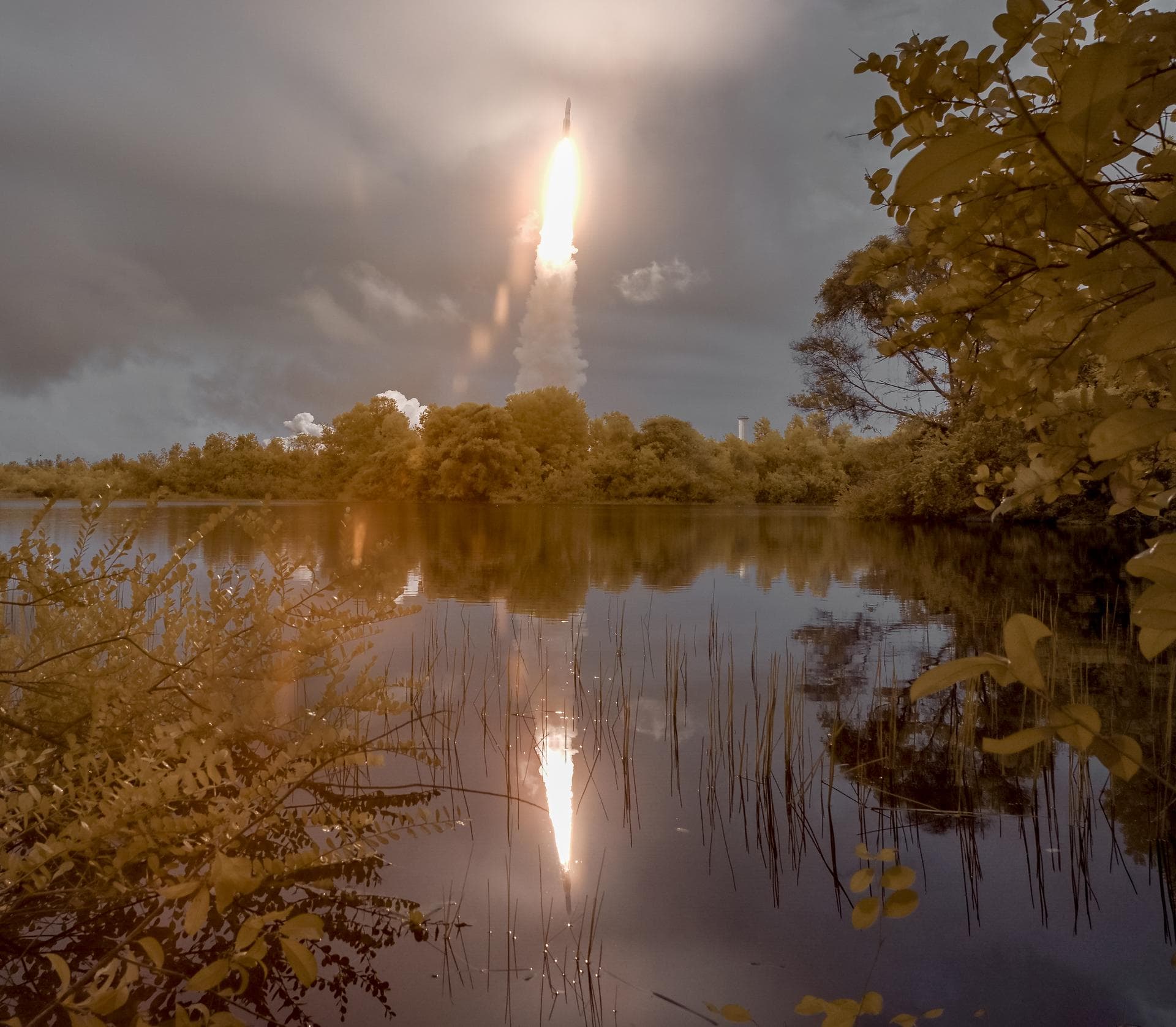
Key operational support also came from the U.S. Space Force on the U.S. East Coast range. On 2 April 2026, the Department of War said Space Launch Delta 45 supported the Artemis II launch from Cape Canaveral Space Force Station, Florida. The department added that the mission carried four astronauts toward lunar orbit, highlighting the human spaceflight stakes and the importance of reliable range and launch support. Combined with DLA Energy’s logistics synchronization across government and industry, these activities formed the backbone of the mission’s enabling services, according to the department's updates.
The department’s 2 April 2026 statement on Space Launch Delta 45’s support followed a series of government messages underscoring the centrality of logistics, industrial capacity, and interagency coordination to national missions. On 31 March 2026, the Department of War reported that Air Force Gen. Dan Caine, chairman of the Joint Chiefs of Staff, commended military industrial base workers for producing systems vital to operations, emphasizing their role in national security and force safety. International partners have emphasized similar themes on technology enablement and mission assurance, with the UK government stating on 2 April 2026 that it would double investment in autonomous systems to 4 billion pounds to improve threat detection and force protection, according to HM Government.
The Artemis II support mattered for risk reduction, mission assurance, and strategic signaling. The Department of War framed DLA Energy’s work as foundational to keeping operations on time and properly resourced, a core requirement for crewed deep-space missions where resupply options are limited and schedule deviations can cascade across launch windows and recovery planning. The Department of War also highlighted Space Launch Delta 45’s role at Cape Canaveral, reinforcing the value of assured access to space and the specialized range capabilities that underpin national and allied space activities. Public interest in the mission’s milestones, including the planned close approach to the Moon noted by NPR, illustrated the broader diplomatic and technological significance of sustained human spaceflight, while the government’s emphasis on logistics and industrial readiness pointed to the practical means by which such high-consequence missions are executed.