Key Developments
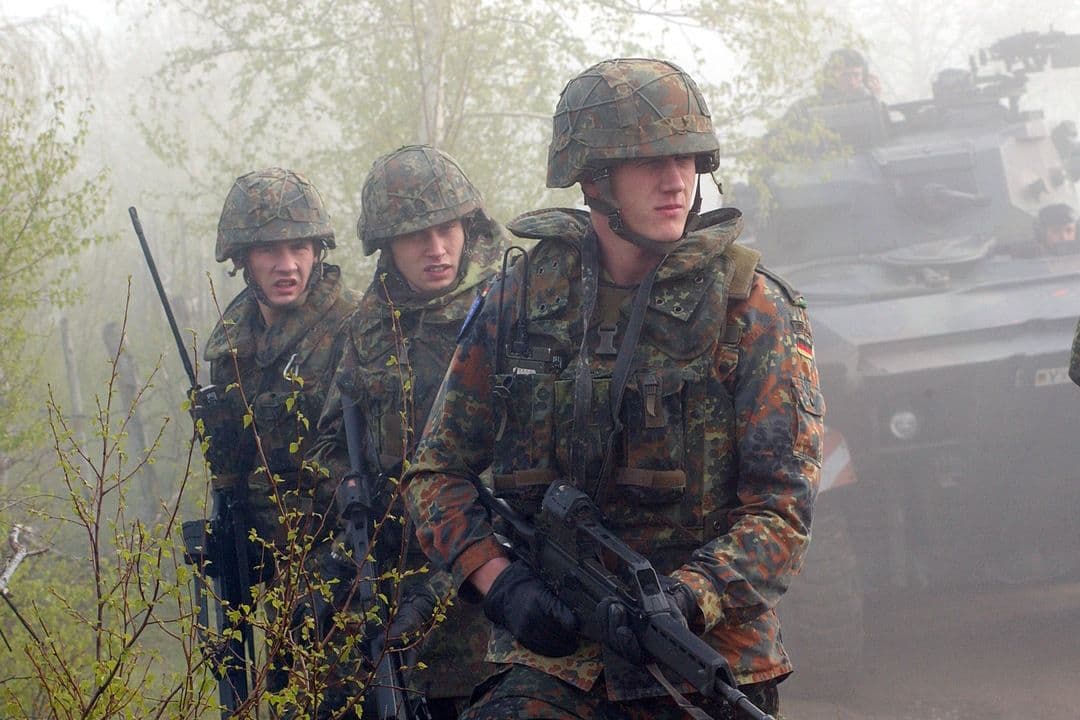
On 24 November 2026, the Danish Defence Acquisition and Logistics Organisation said it had procured the Army’s first armed unmanned ground vehicles, while the Bundeswehr said the German Army was testing loitering munitions in Lithuania during Freedom Shield 26-2.
Key Statistics
- 6 armed unmanned ground vehicles procured for the Danish Army
- 3,800 soldiers involved in Germany’s Freedom Shield 26-2 exercise in Lithuania
- 8 battalions established by the German Army in a historical force expansion
- 2 companies established by the German Army in the same historical force expansion
- £25 million in historical UK funding for drones and electronic warfare equipment on NATO’s eastern flank
Main Body
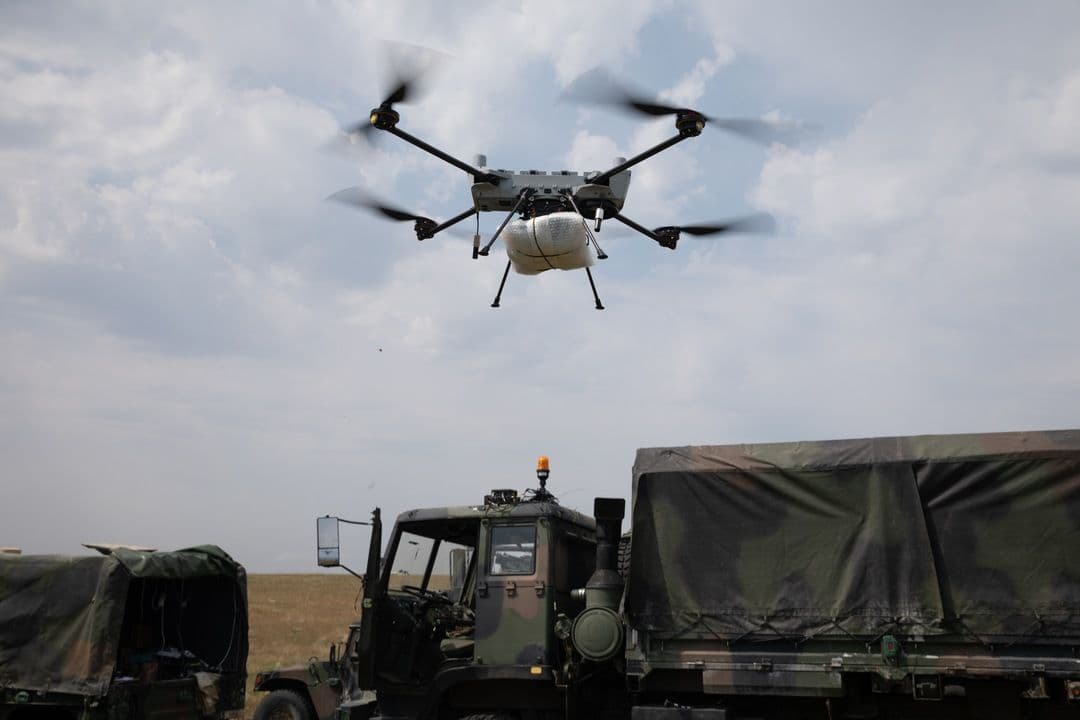
On 24 November 2026, the Danish Defence Acquisition and Logistics Organisation said it had bought armed unmanned ground vehicles from Danish company Dropla for the Army, and the Bundeswehr said the German Army was testing loitering munitions for the first time during Freedom Shield 26-2 in Lithuania.
The Danish Defence Acquisition and Logistics Organisation said the Danish package covered 6 armed ground drones, flying drones, operational equipment, training and maintenance facilities, with remote-controlled weapons and sensors intended for combat support and reconnaissance. The Bundeswehr said the Lithuania exercise involved about 3,800 soldiers and tested weapons designed to strike targets from a distance while reducing risk to troops.
The announcements followed earlier allied capability moves. On 10 November 2026, the Danish Defence Acquisition and Logistics Organisation said it was tracking NATO sensor trials against small drones at Jægerspris before procurement decisions. On 19 November 2026, the Bundeswehr said the German Army had created 8 battalions, 2 companies and a land digitalisation centre, including units to support the brigade in Lithuania.
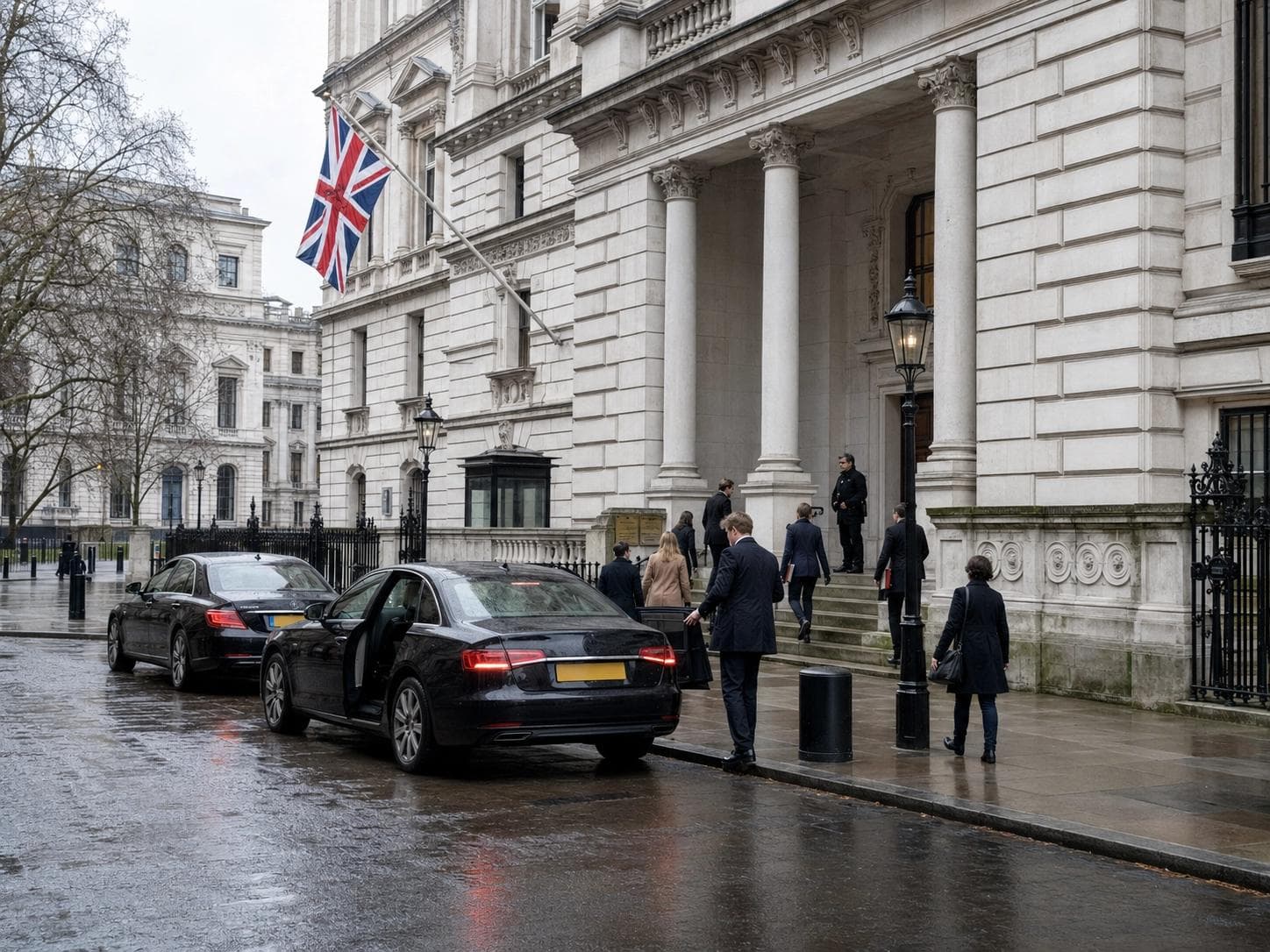
The practical significance was interoperability and survivability on NATO’s eastern flank. The Bundeswehr tied the Lithuanian trials to future operations, the Danish Defence Acquisition and Logistics Organisation tied ground drones to reconnaissance and combat support, and HM Government separately linked a £25 million drone and electronic warfare package to British readiness in Estonia.