Key Developments
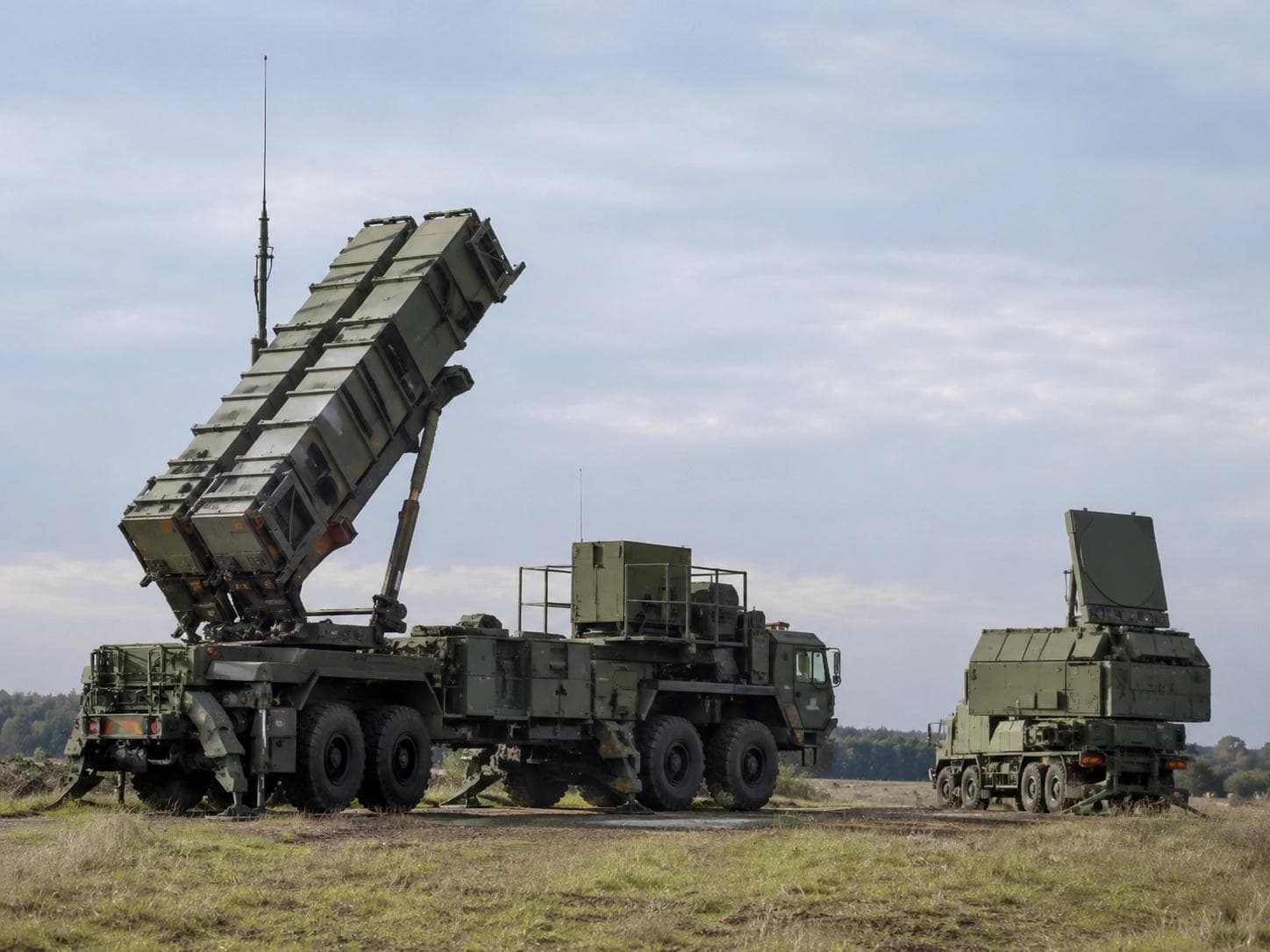
On 12 August 2026, the Bundeswehr outlined NATO’s Integrated Air and Missile Defence System as a Europe-wide shield linking national and NATO assets to detect and counter drones, aircraft and missiles. The Bundeswehr said the system supported collective defence across 32 allies, including Germany, through a 360-degree air defence approach.
Key Statistics
- 32 NATO member states were covered by the alliance air and missile defence framework, according to the Bundeswehr.
- 80,000,000 square kilometres was the operational area described by the Bundeswehr.
- 360 degrees described the all-direction air defence approach cited by the Bundeswehr.
- 40 kilometres was the detection range figure included in the Bundeswehr explanation.
Main Body
On 12 August 2026, the Bundeswehr set out how NATO’s Integrated Air and Missile Defence System, known as NATINAMDS, functioned as a shared air defence structure for Europe. The Bundeswehr said the system was designed to detect and counter aerial threats including drones, aircraft and missiles.
According to the Bundeswehr, NATINAMDS combined national weapons, sensors and command structures with NATO-specific systems across an operating area of about 80 million square kilometres. The Bundeswehr said the framework used a 360-degree approach and involved all 32 NATO members, including Germany.
The Bundeswehr presented the system as part of NATO’s collective defence model, with allied countries contributing capabilities rather than relying on a single national shield. The focus on integrated alliance readiness followed related NATO and UK defence investment coverage, as GPS previously reported.
The practical significance, according to the Bundeswehr, was that NATO linked detection, command and response functions across allied airspace. That mattered for European security because the Bundeswehr described aerial threats as cross-border risks requiring coordinated alliance action rather than isolated national responses.