Key Developments
On 28 July 2026, Australia’s Minister for Foreign Affairs said the new Australia-Singapore protocol would give priority trade treatment for fuel and essential goods, while a separate Minister for Foreign Affairs interview tied the move to refinery closures, fuel security and cost pressures. The agreement followed a 27 July ministerial release on essential supplies cooperation.
Key Statistics
- 4 of Australia’s 6 refineries had closed, according to the Minister for Foreign Affairs
- 12.5% was the U.S. tariff figure discussed by Foreign Minister Penny Wong, according to the Minister for Foreign Affairs
- Historical context: 90% of Australia’s fuel was imported, according to the Minister for Foreign Affairs
- Historical context: 55% of Australia’s fuel imports came from Singapore, according to the Minister for Foreign Affairs
- Historical context: 15% of Australia’s diesel supply came from Singapore, according to the Minister for Foreign Affairs
- Historical context: 23% of Australia’s aviation fuel supply came from Singapore, according to the Minister for Foreign Affairs
- Historical context: 200 military personnel were linked to bilateral defence exercises, according to the Minister for Foreign Affairs
Main Body
On 28 July 2026, Foreign Minister Penny Wong said Australia and Singapore had signed a Protocol on Economic Resilience and Essential Supplies to preserve priority trade in fuel and other essential goods, according to the Minister for Foreign Affairs. The Minister for Foreign Affairs had announced on 27 July 2026 that the protocol was agreed under the Singapore-Australia Free Trade Agreement and was intended to protect essential supply flows during disruptions.
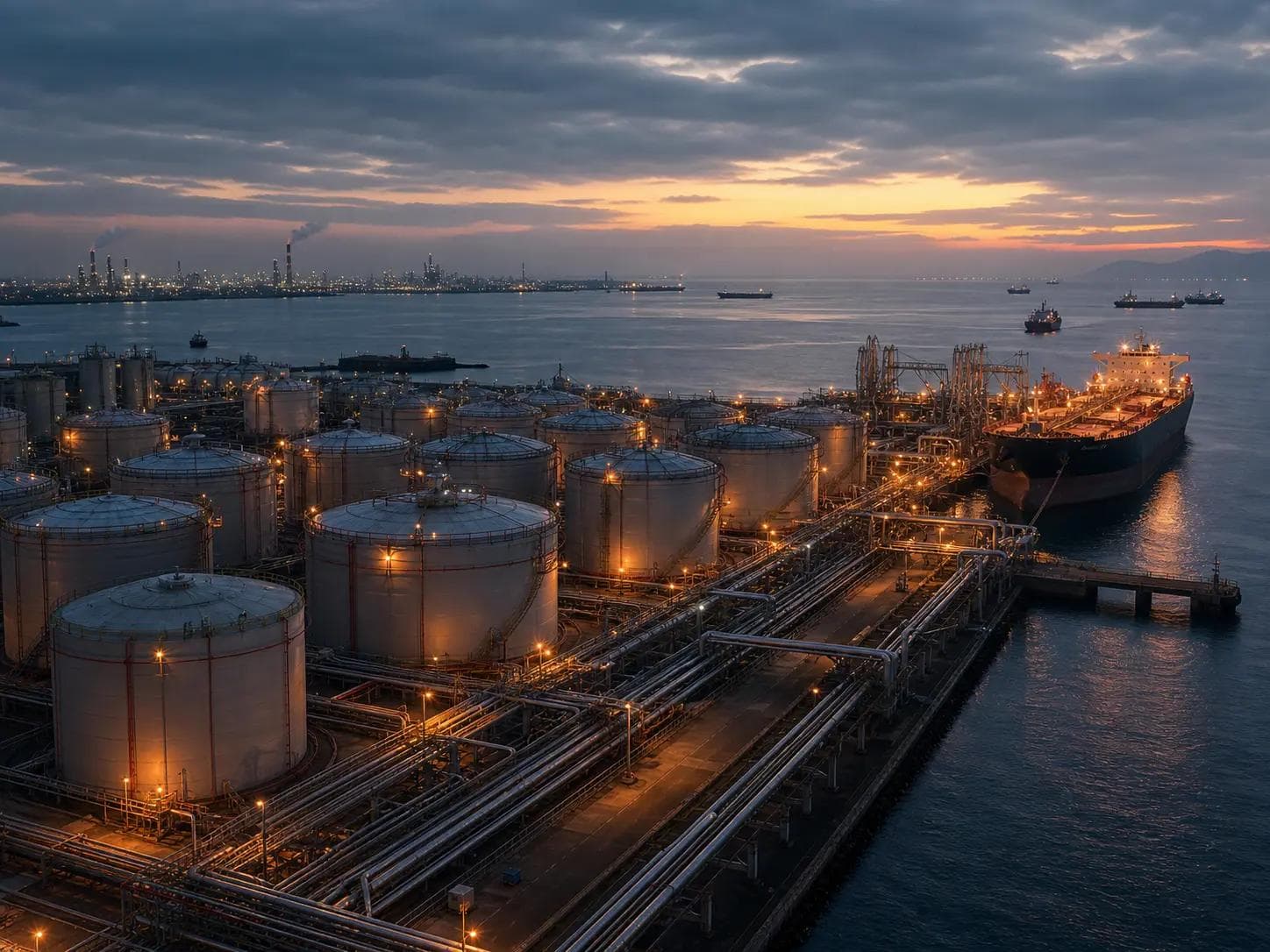
In a separate 28 July 2026 interview, Wong said the government was focused on securing fuel and fertiliser supplies while dealing with cost-of-living pressure, according to the Minister for Foreign Affairs. The same Minister for Foreign Affairs account said 4 of Australia’s 6 refineries had closed and cited a 12.5% U.S. tariff issue that Wong rejected as unjustified.
The 27 July Minister for Foreign Affairs release said Australia imported 90% of its fuel and received 55% of its fuel imports, 15% of its diesel and 23% of its aviation fuel from Singapore. At an Australia-Singapore press conference, the Minister for Foreign Affairs said officials also signed an Industrial-Based Resilience Arrangement and linked defence cooperation to 3 exercises involving 200 military personnel.
The development mattered because the Minister for Foreign Affairs presented the protocol as a mechanism for maintaining trade in essential supplies when markets were disrupted. It also carried diplomatic and security value, because the Minister for Foreign Affairs described the Singapore relationship as tied to regional stability, trusted cooperation and deeper defence links.