
European Parliament
36 articles · 11 recent · 3 source types
Governments focused on defence industry, energy security, Ukraine support, maritime routes, AI risk and humanitarian protection.
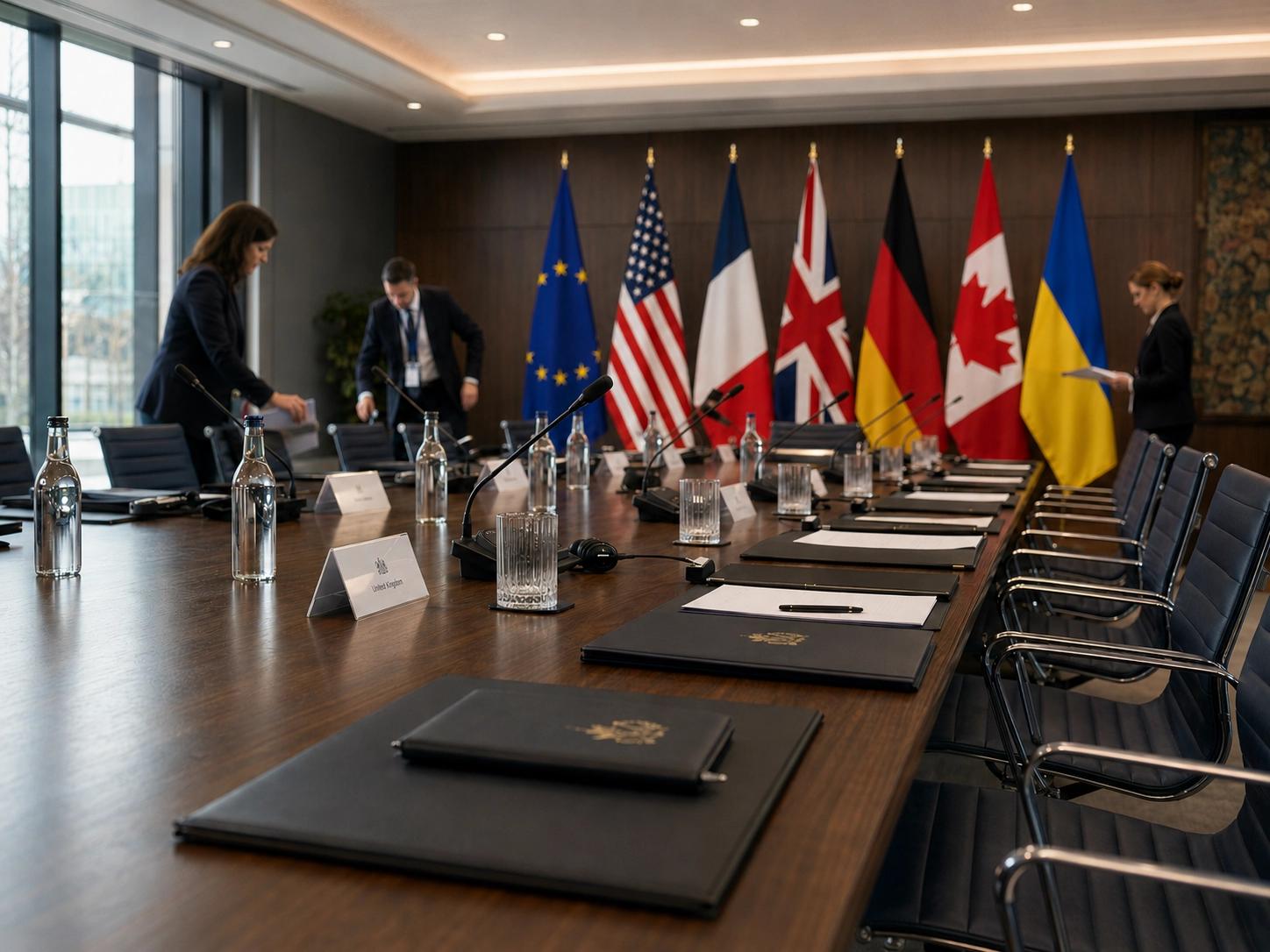
NATO issued resilience requirements as Australia secured a defencelinked airport lease, Germany highlighted maritime drone trials, and Europe expanded Ukraine support.
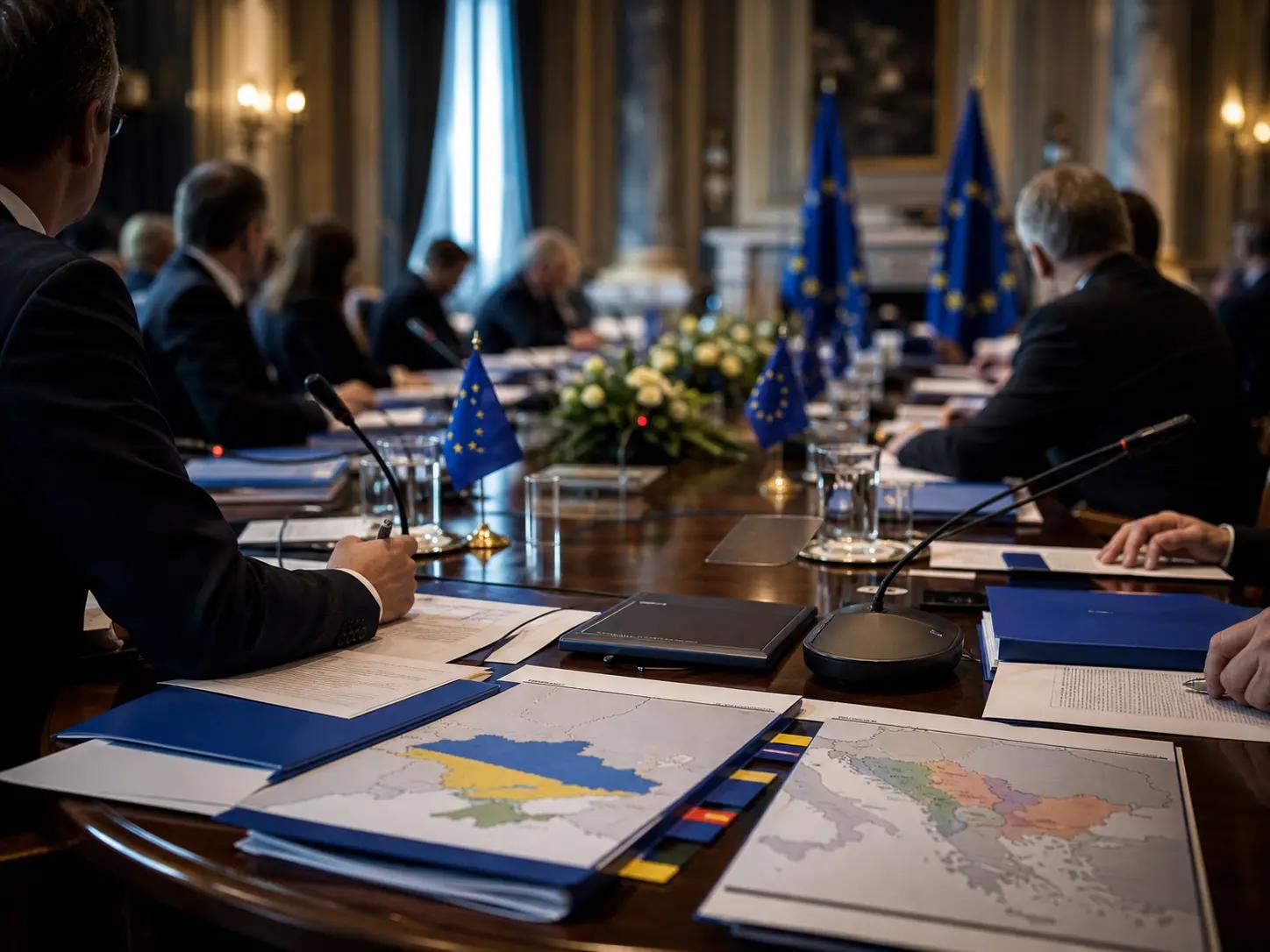
European Parliament approved defence readiness measures to speed permits, simplify procurement and support expanded EU defence investment.
Seven governments and EU institutions advanced defence procurement, energy cooperation, sanctions, and resilience measures during week 37.
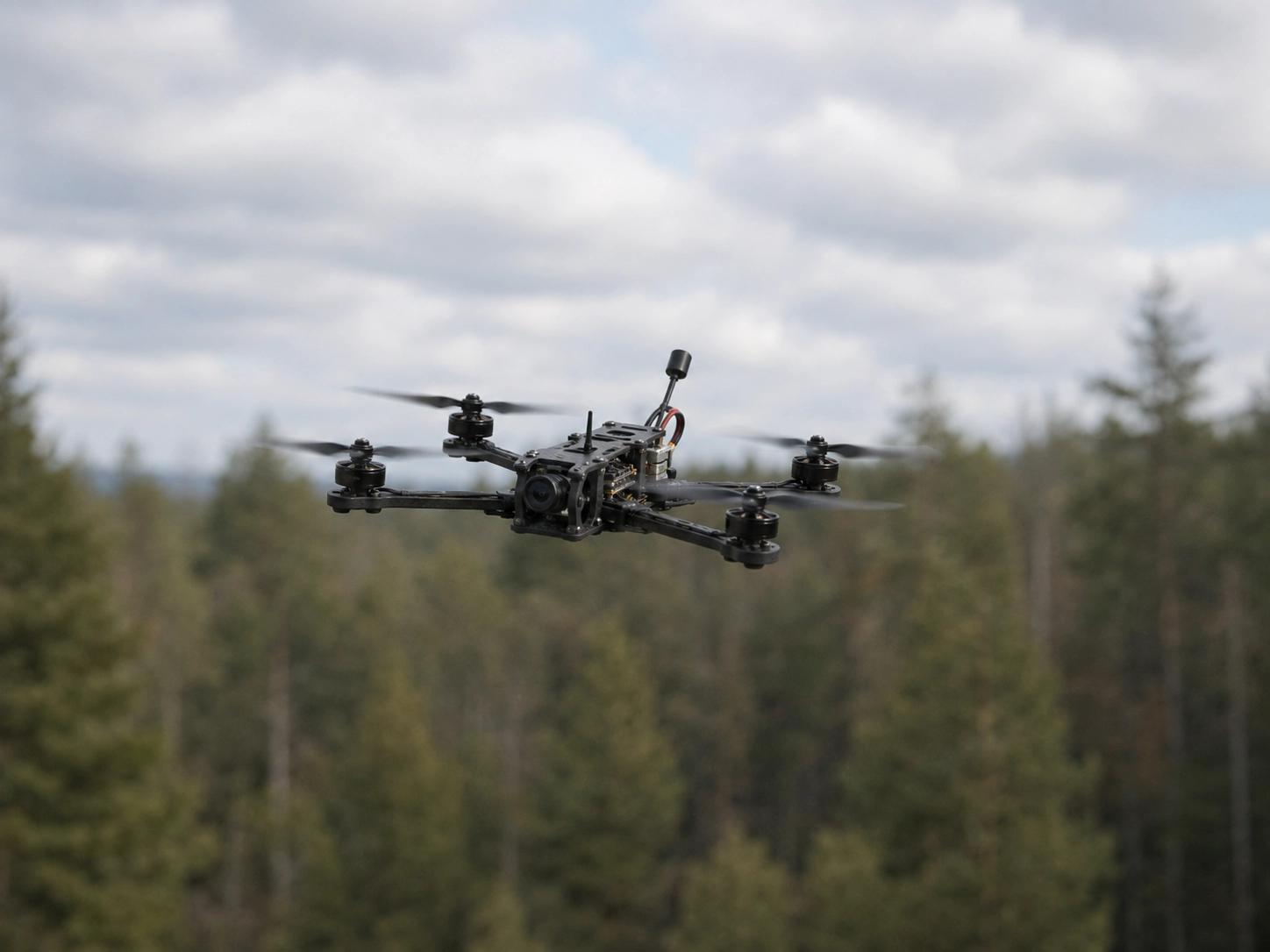
Finland signed a domestic FPV drone procurement contract to expand unmanned systems training across brigadelevel units.
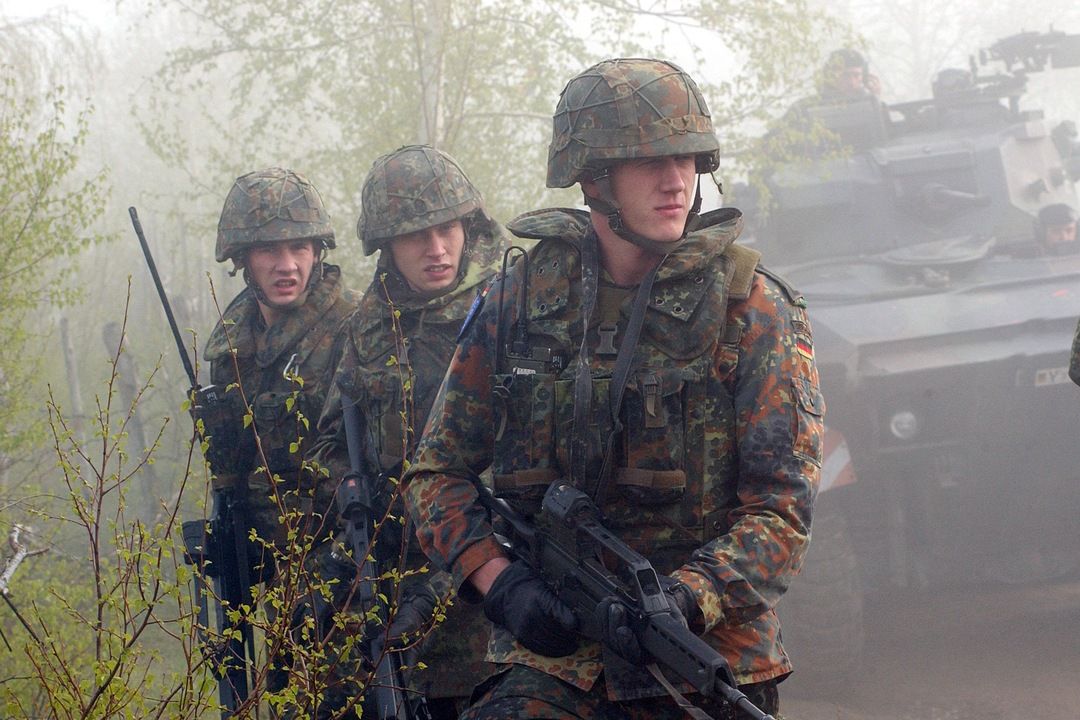
Germany sent Bundeswehr NH90 helicopter support as the EU coordinated wildfire assistance for Belgium and Spain.
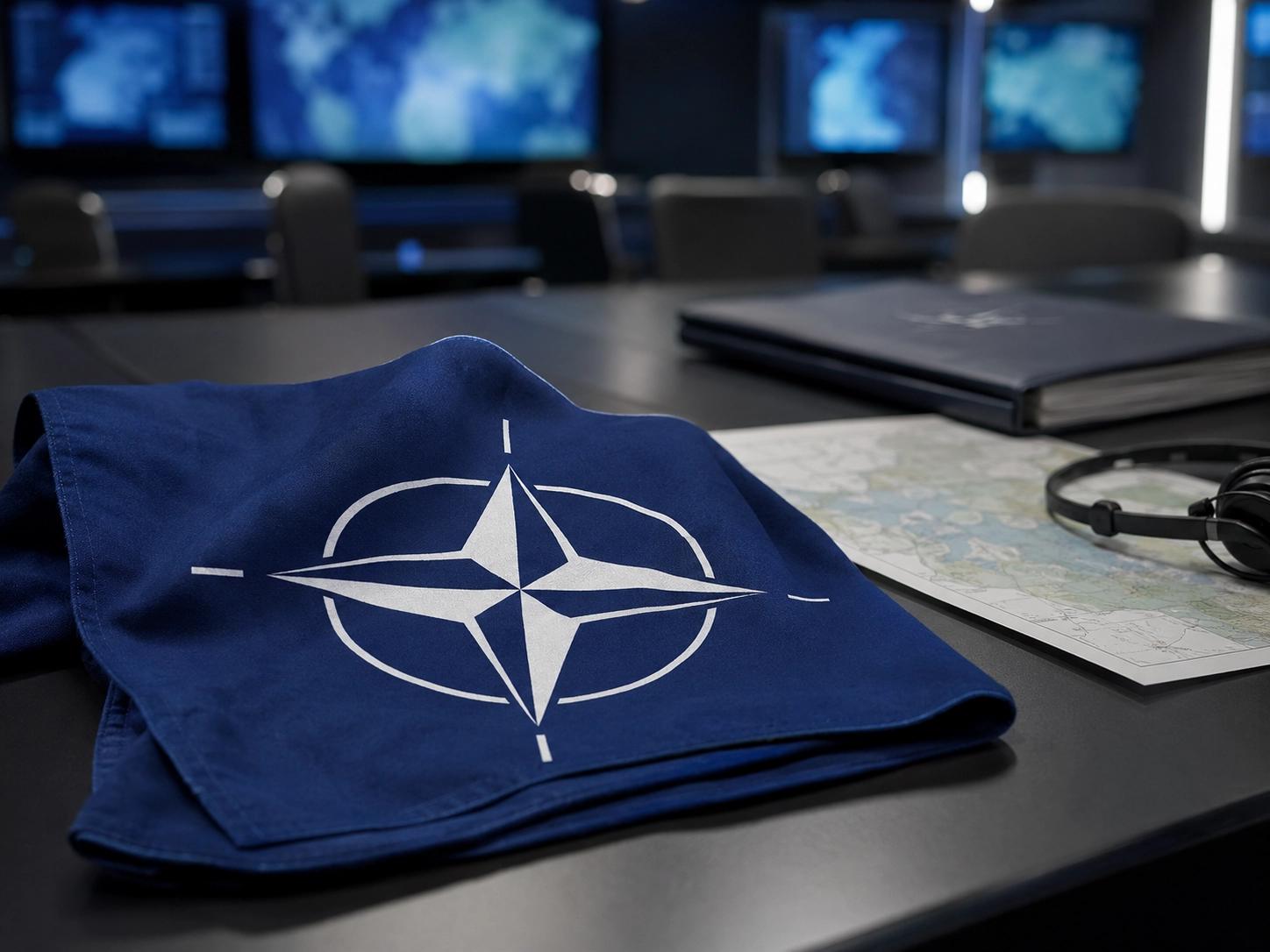
NATO said Russian airspace incidents involving Poland and Romania were dangerous and reaffirmed allied defence commitments and support for Ukraine.
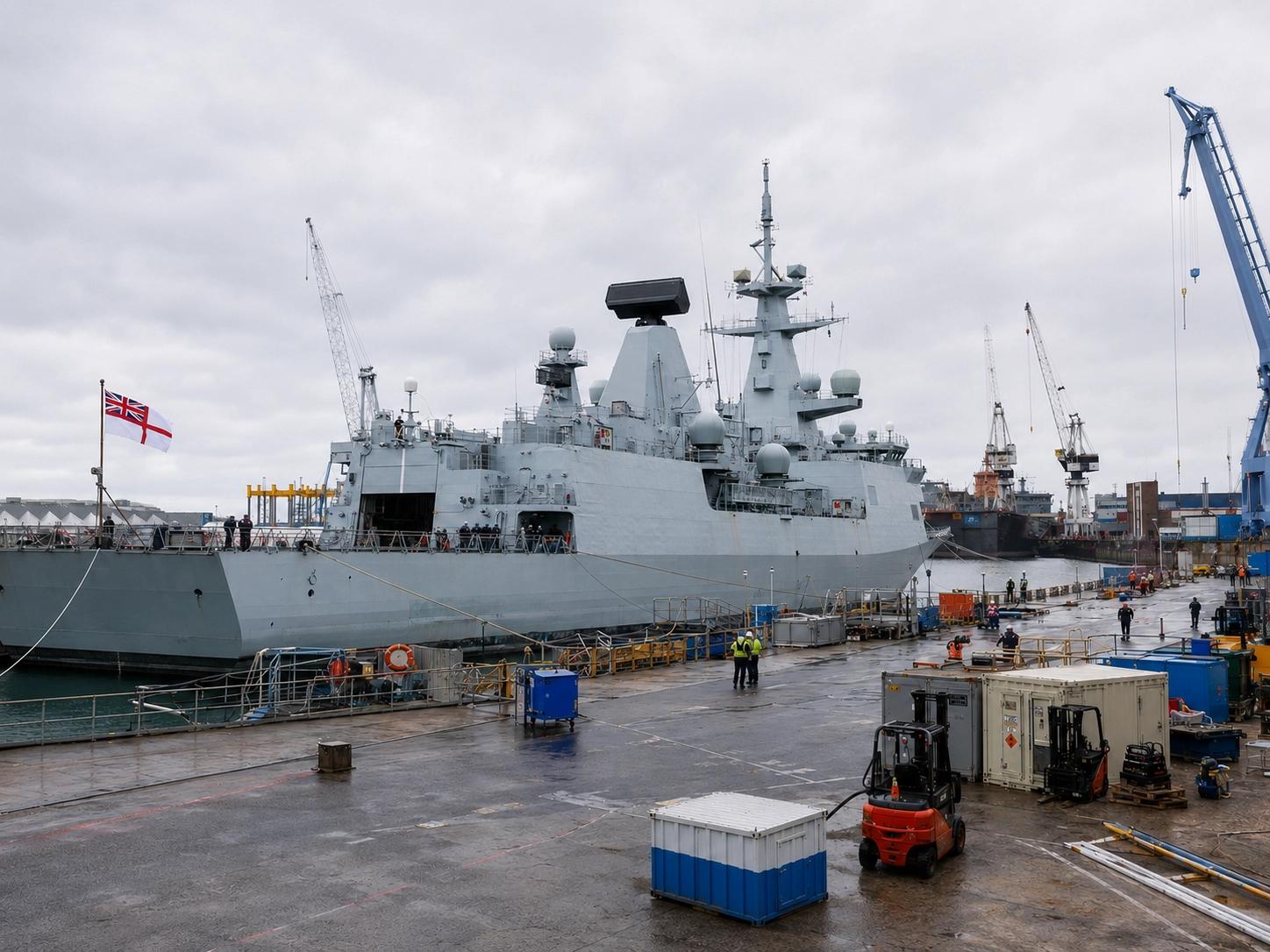
The UK funded Dreadnought nuclear submarine construction, linking deterrence renewal with jobs, suppliers and apprenticeships across British industry.
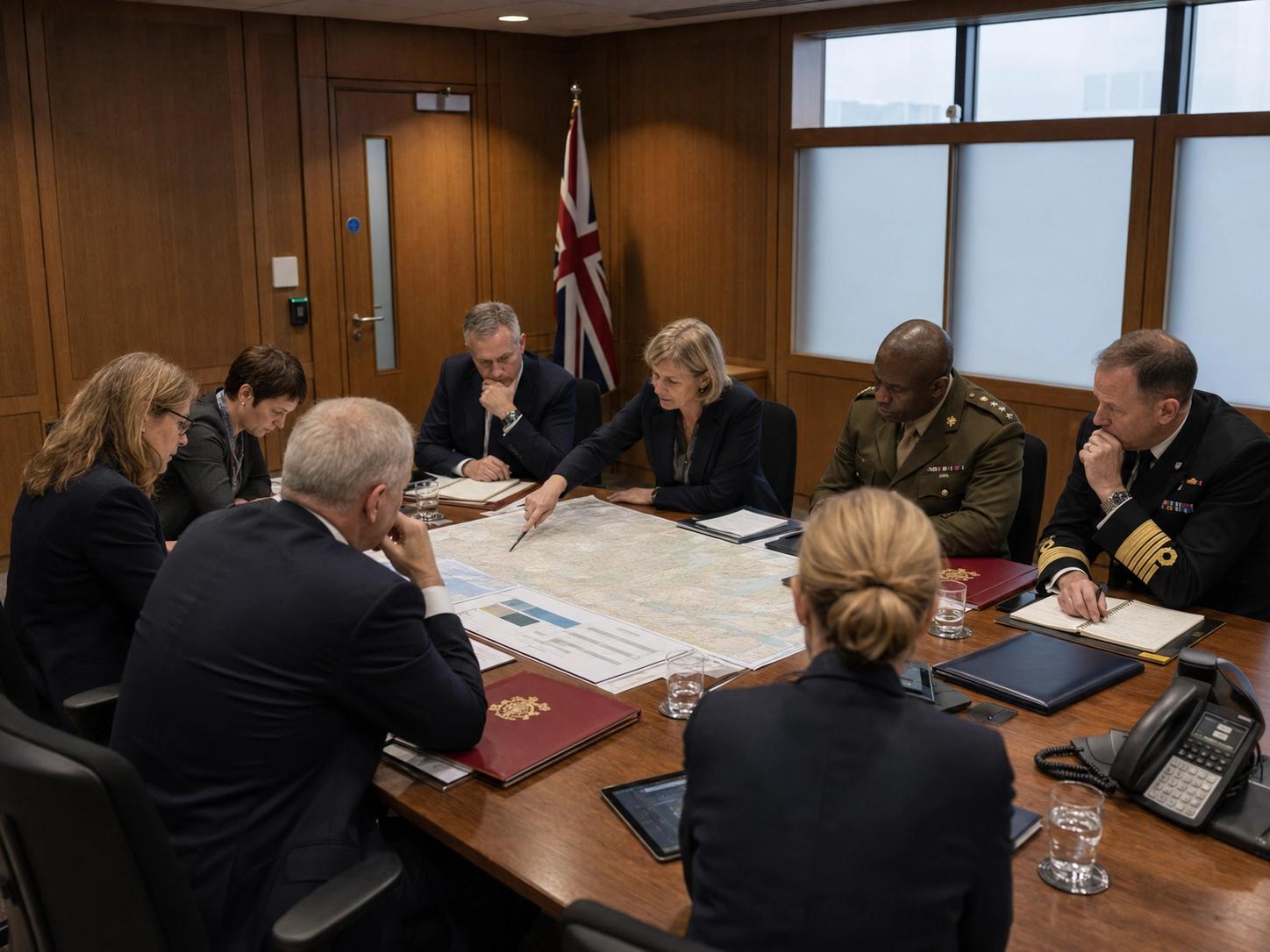
Official announcements showed moves on EU scrutiny, defence investment, Russia sanctions, Cuba designations and IndoPacific maritime support.
The EU and Bundeswehr sent aircraft, personnel, vehicles and mapping support as major wildfires hit France and Spain.
EU and 6 governments moved on defence production, air defence, election observation, development policy and IndoPacific security cooperation.
European Commission announced a €6b defence package and €3.2b budgetary support at the Ukraine Recovery Conference 2026, plus over €1.1b in strategic investment agreements.
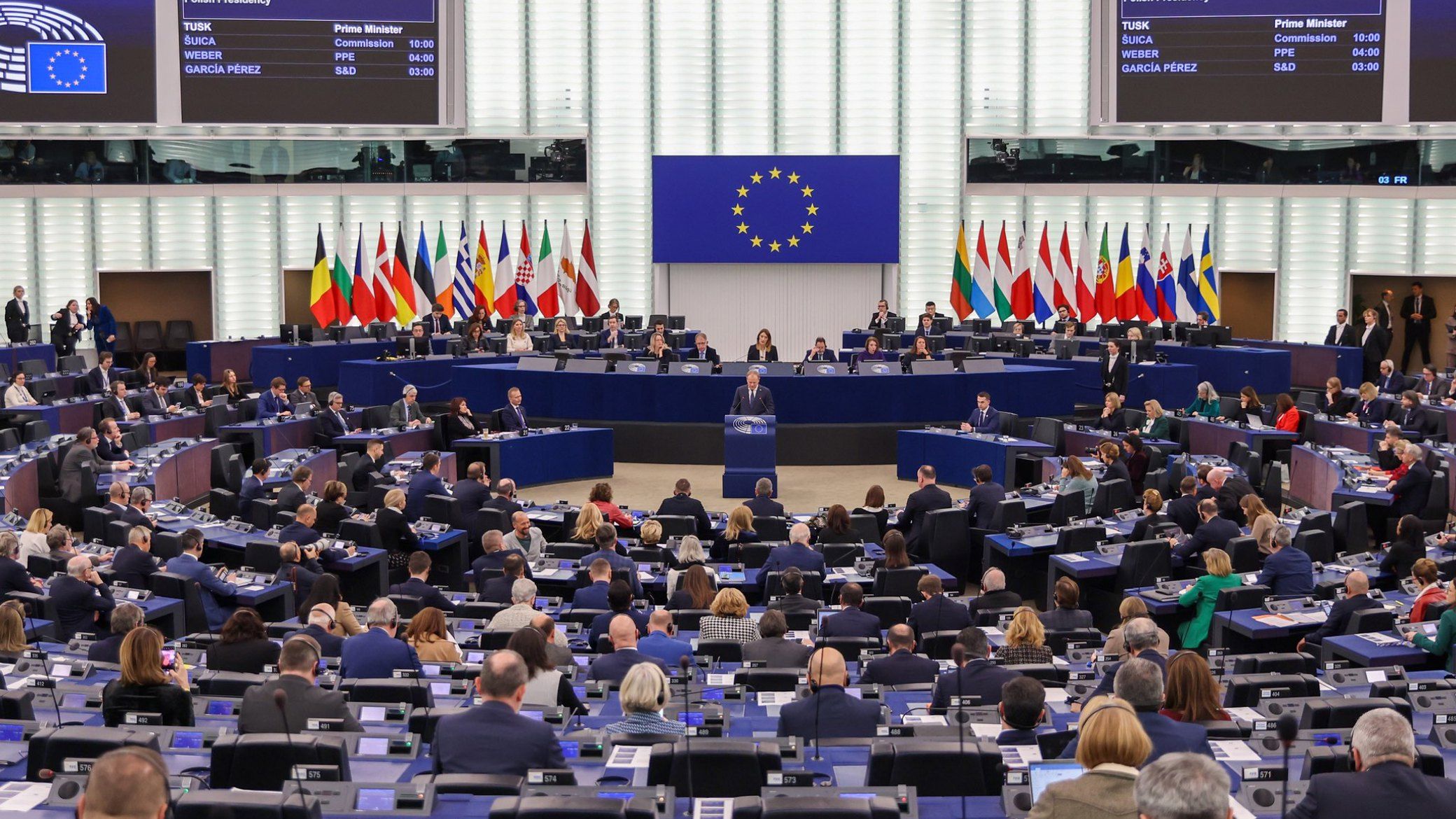
Parliament backed AGILE with €115 million to speed defence innovation, support SMEs and startups, and cut thirdcountry dependencies.
MEPs approved plans to speed EU troop and kit movements, adding digital permits, resilient infrastructure, and a solidarity pool, with rapid emergency activation provisions.

Germany hosted nearly 30 air chiefs as Berlin talks centered on the human factor in future airpower and allied cooperation, the Bundeswehr said.
Parliament and Council negotiators agreed steps to streamline intraEU defence transfers and procurement, backing up to €800bn in investment and setting firm permit decision deadlines.
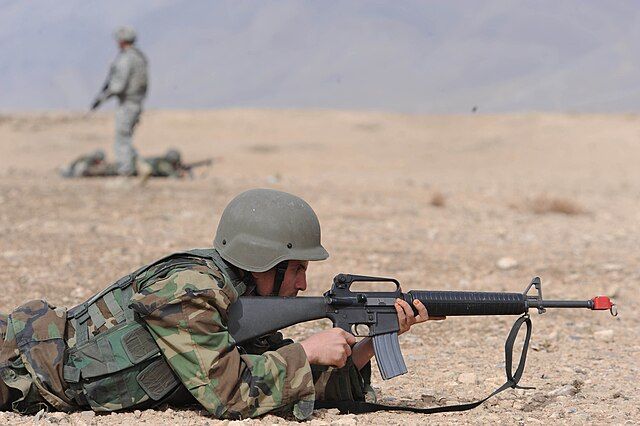
Germany’s Panzer Brigade 45 started Freedom Shield 2026 training in Lithuania, focusing on droneenabled combat readiness with NATO partners, the Bundeswehr said.
UKled Operation Interflex moved into a specialist phase for Ukraine, with aviation, medical, and engineering training, after training 63,000 personnel, HM Government said.
Germany said Ramstein Flag 2026 began, fielding 150 aircraft from 19 nations for dual‐theater air and cyber training spanning the Arctic to the Mediterranean.
European Commission disburses €6.6b to Poland, 15% of its €43.7b SAFE allocation, the first Member State payment to accelerate defence investments and capabilities.