
Department of War
68 articles · 24 recent · 2 source types
Canada, Finland, Denmark, the Netherlands and the Department of War moved on drones, counterdrone powers and joint commandsystem procurement.
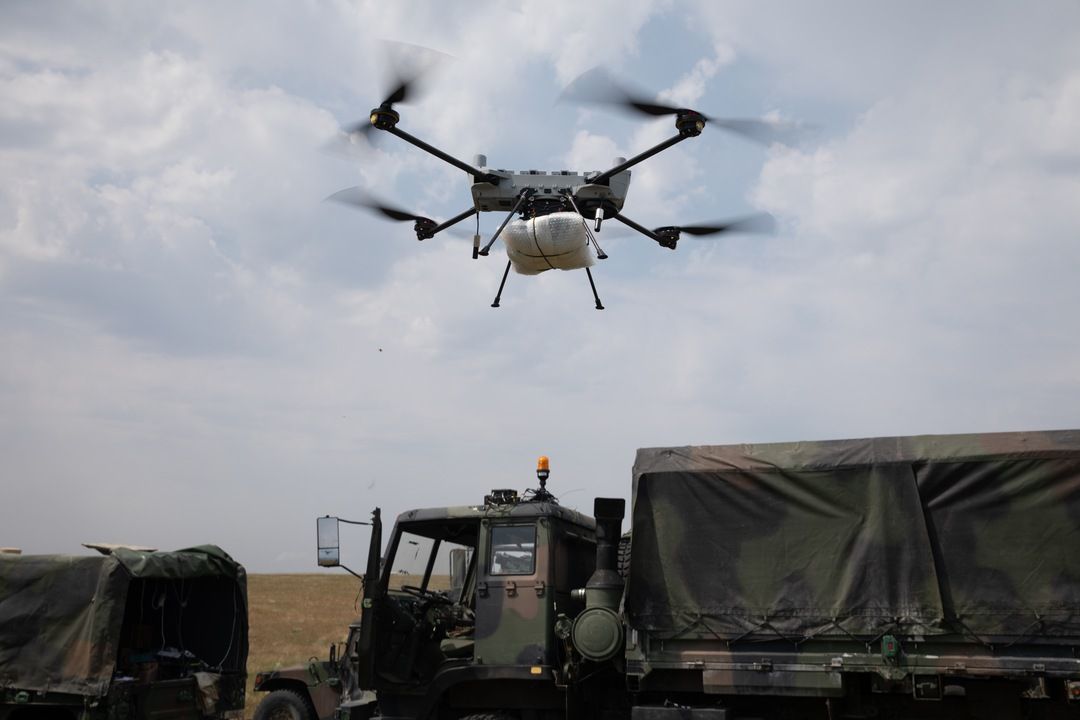
Joint Task Force Southern Border used an Army highenergy laser to disable three cartellinked drones, according to the Department of War.
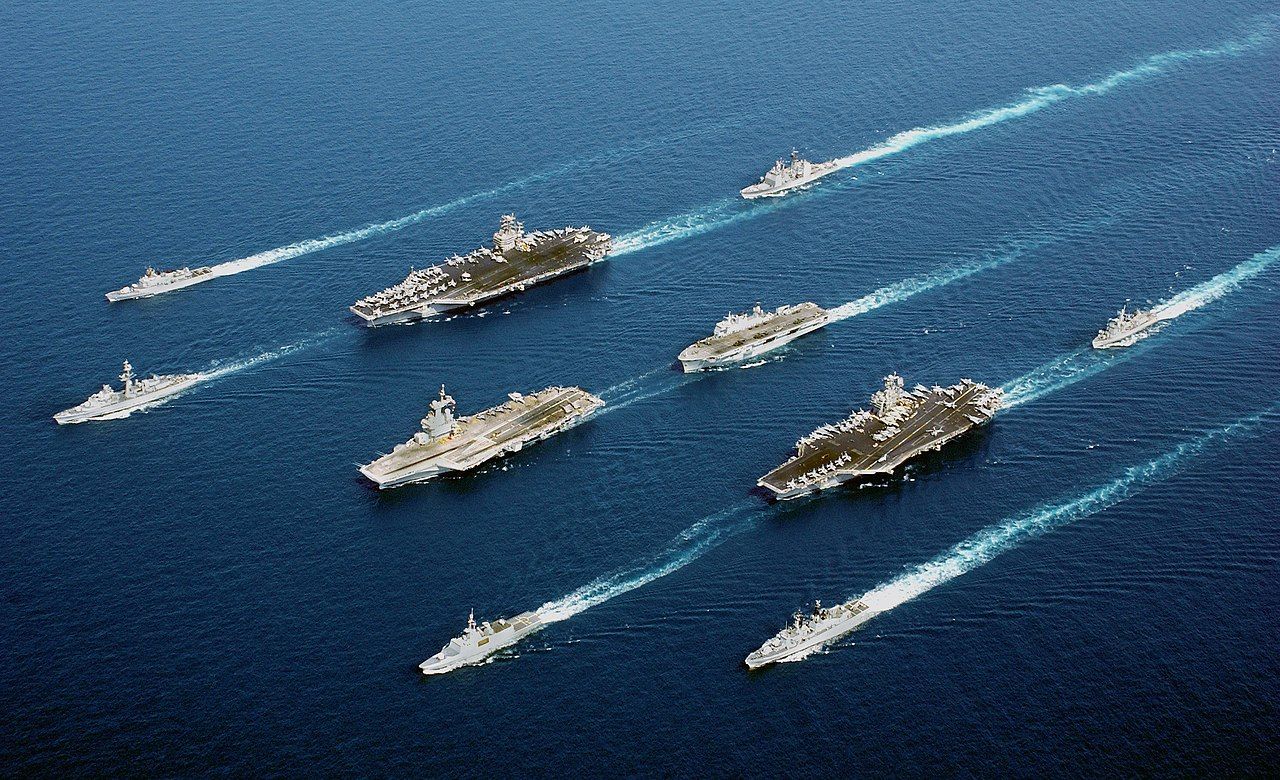
Australia said the ADF backed a Pacificled Solomon Islands maritime security operation, identifying 19 vessels across 320,000 sq km.
Australia completed field trials of Project Boobook, a codeveloped highenergy laser system with Japan, with manufacturing investment planned.
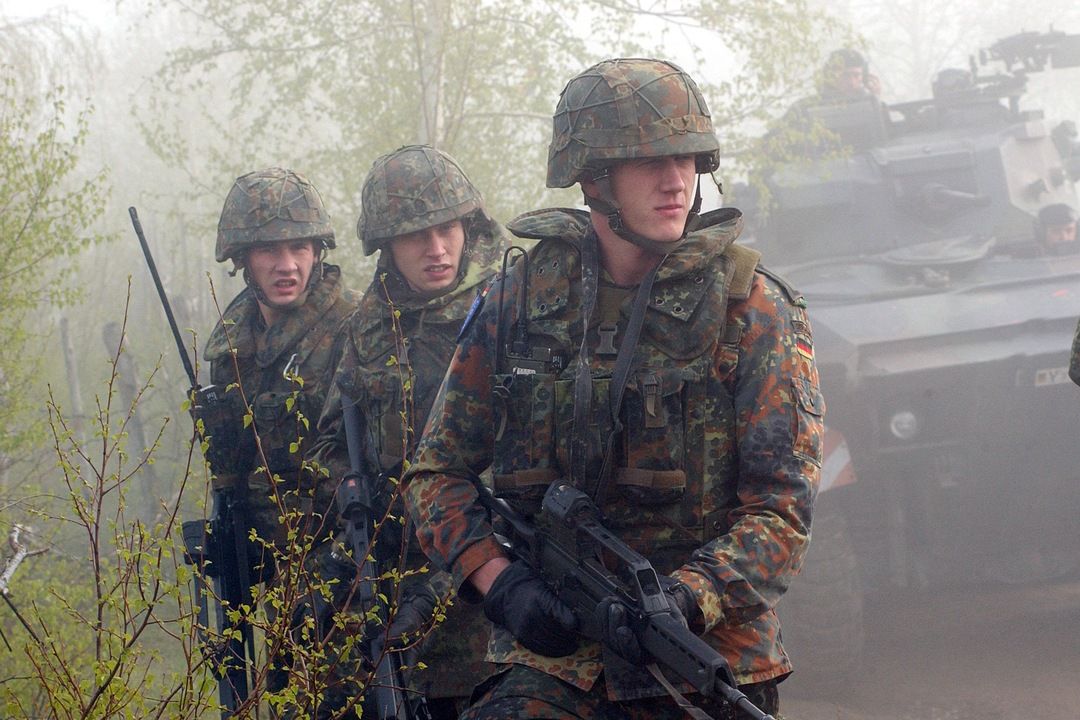
Germany’s armed forces deployed helicopters and recovery tanks to support civilian wildfire response in North RhineWestphalia.
Germany’s armed forces set AI ethics rules that keep human control central and align military use with NATO responsibleAI principles.
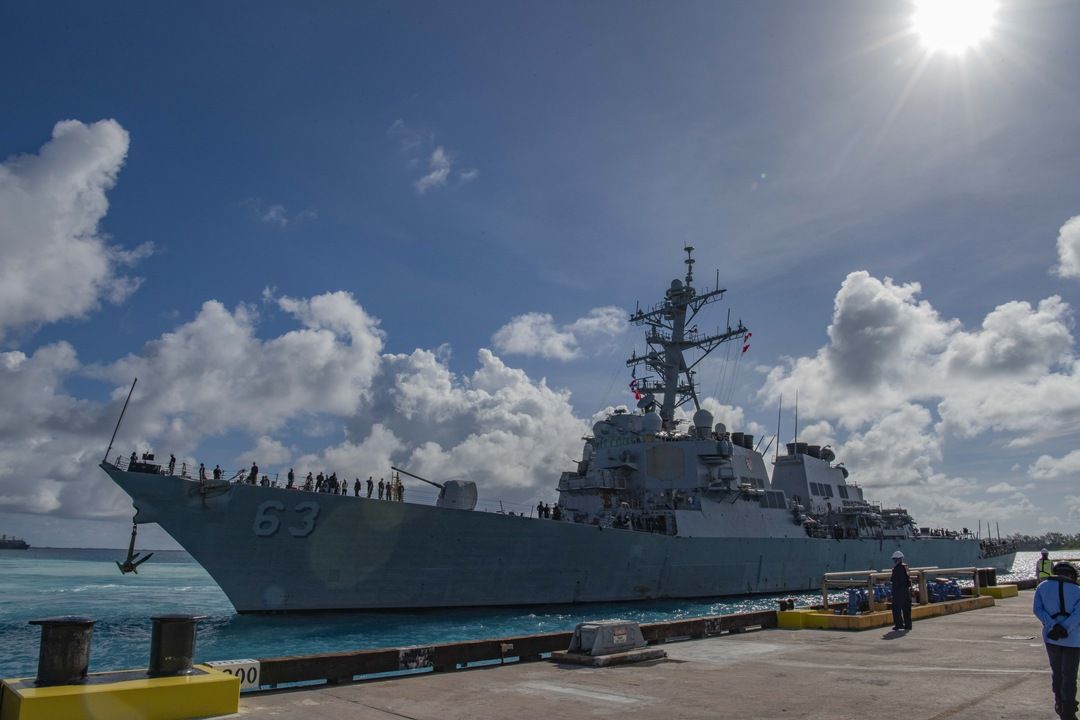
The U.S. guidedmissile destroyer returned to Florida after an almost ninemonth deployment across three fleet areas.
Australia announced a $421 million upgrade to deployable health care for the ADF, including 3 fully equipped field hospitals.
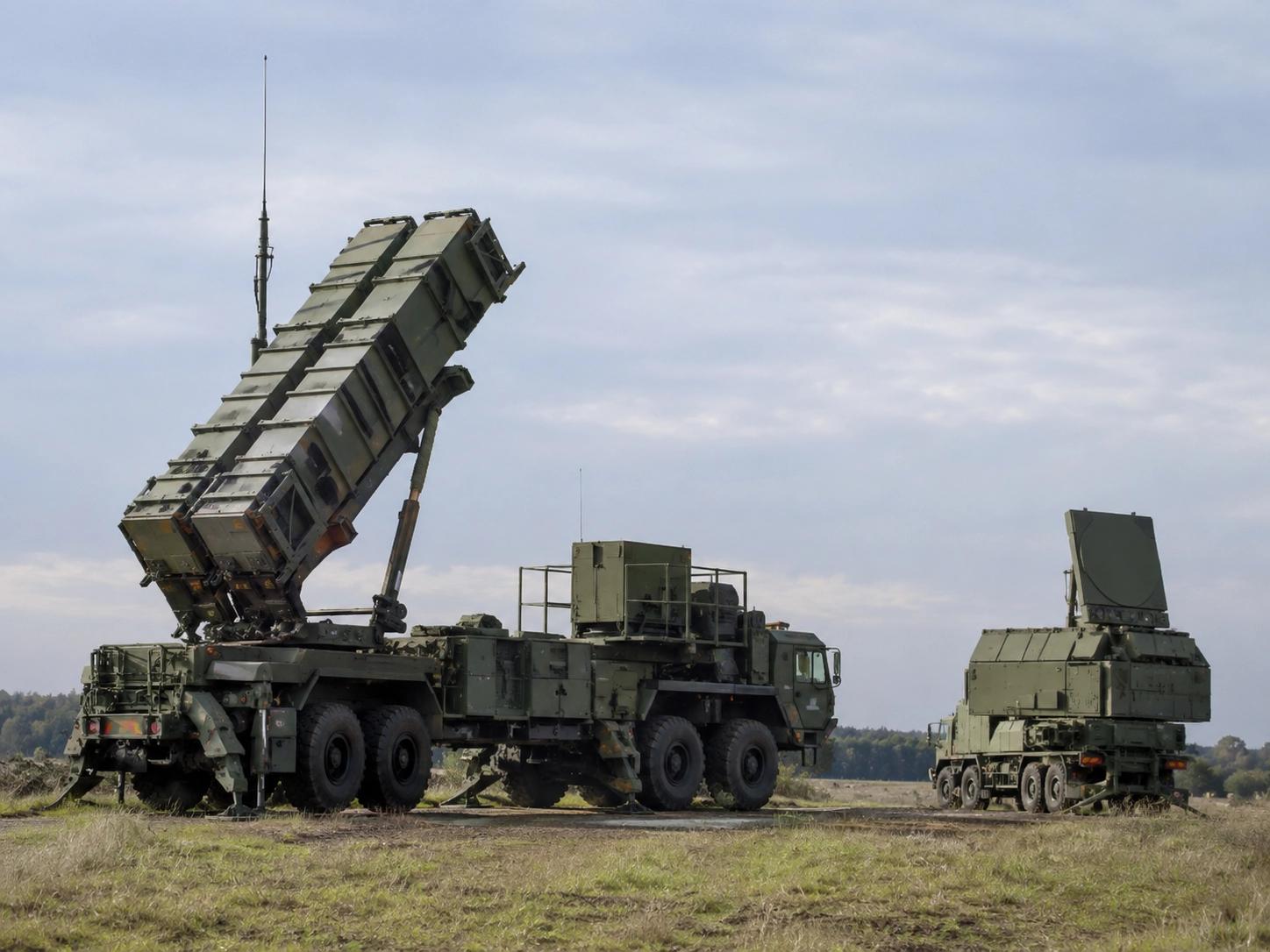
Australia will spend nearly A$736 million on AIM260 airtoair missiles, becoming the first operator outside the United States.

Australia's cyber agency issued board guidance on frontier AI cyber risks, aligned with defence policy focus on advanced technologies.
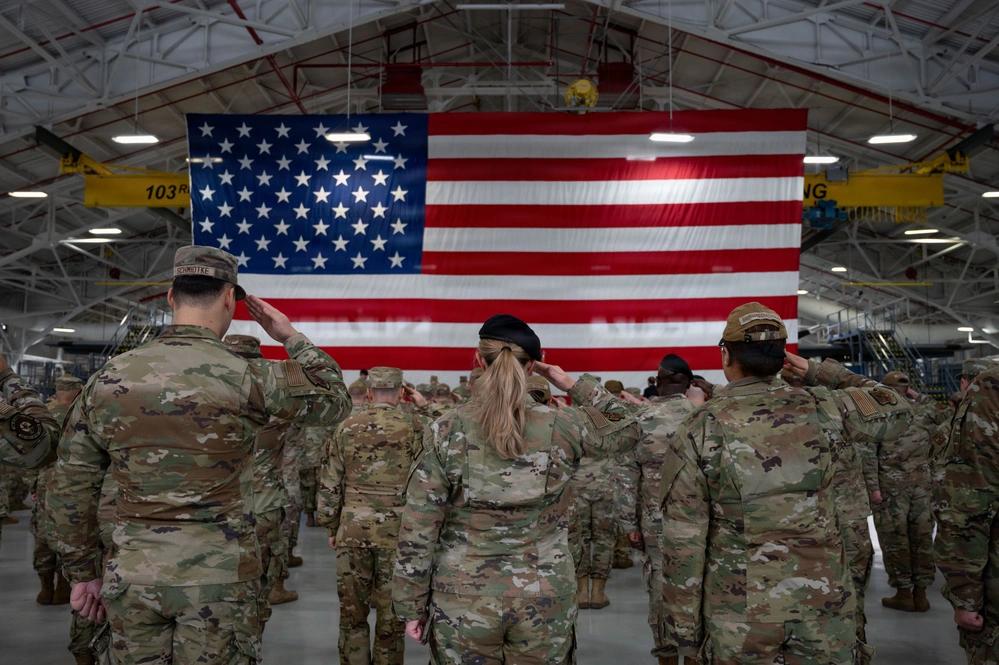
Pete Hegseth said War Department performance over 19 months reflected service members and presidential leadership.
The U.S., Philippines and Japan conducted a maritime cooperative activity in the Philippines’ EEZ, with regional resilience context.
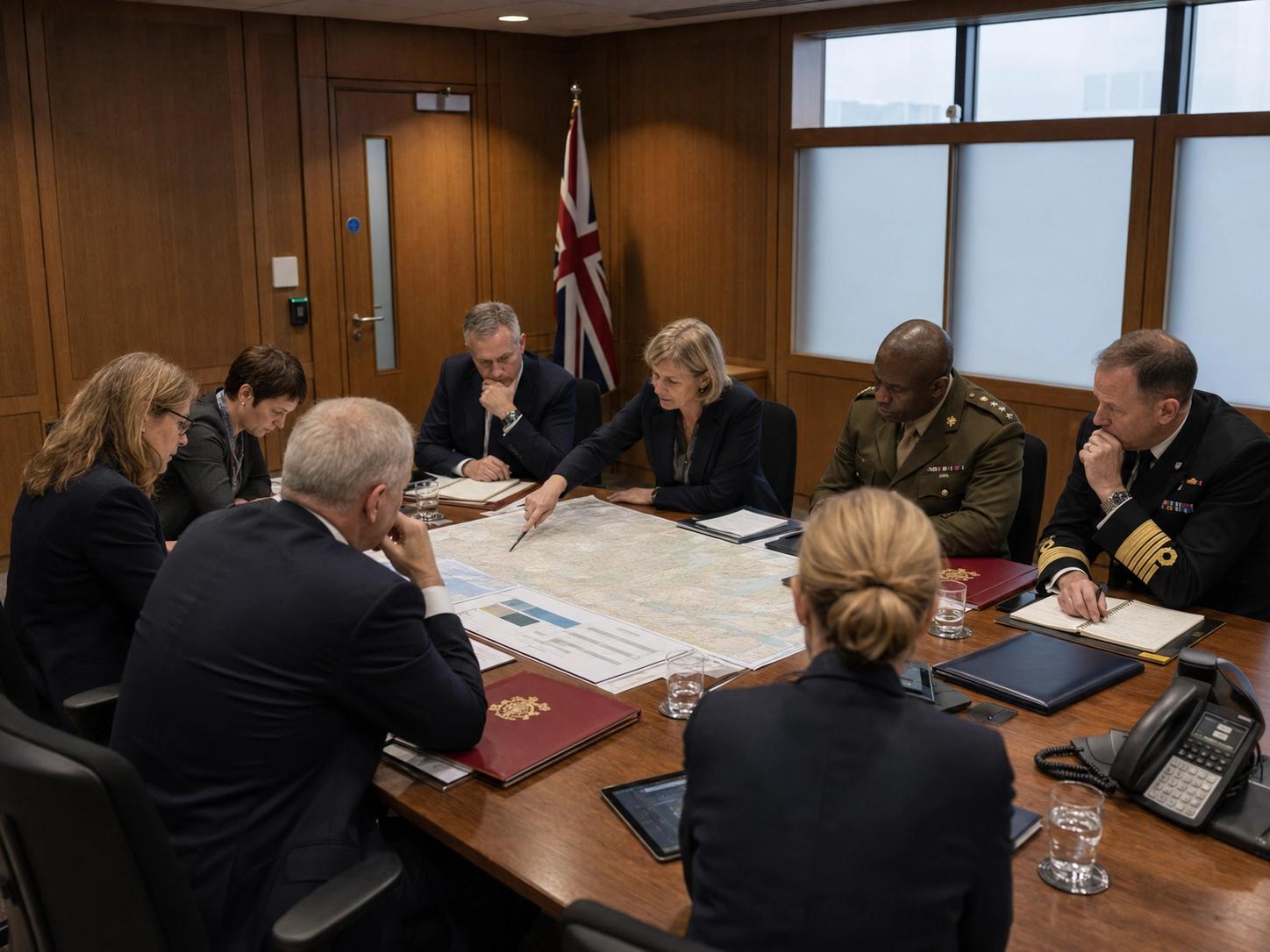
Official announcements showed moves on EU scrutiny, defence investment, Russia sanctions, Cuba designations and IndoPacific maritime support.
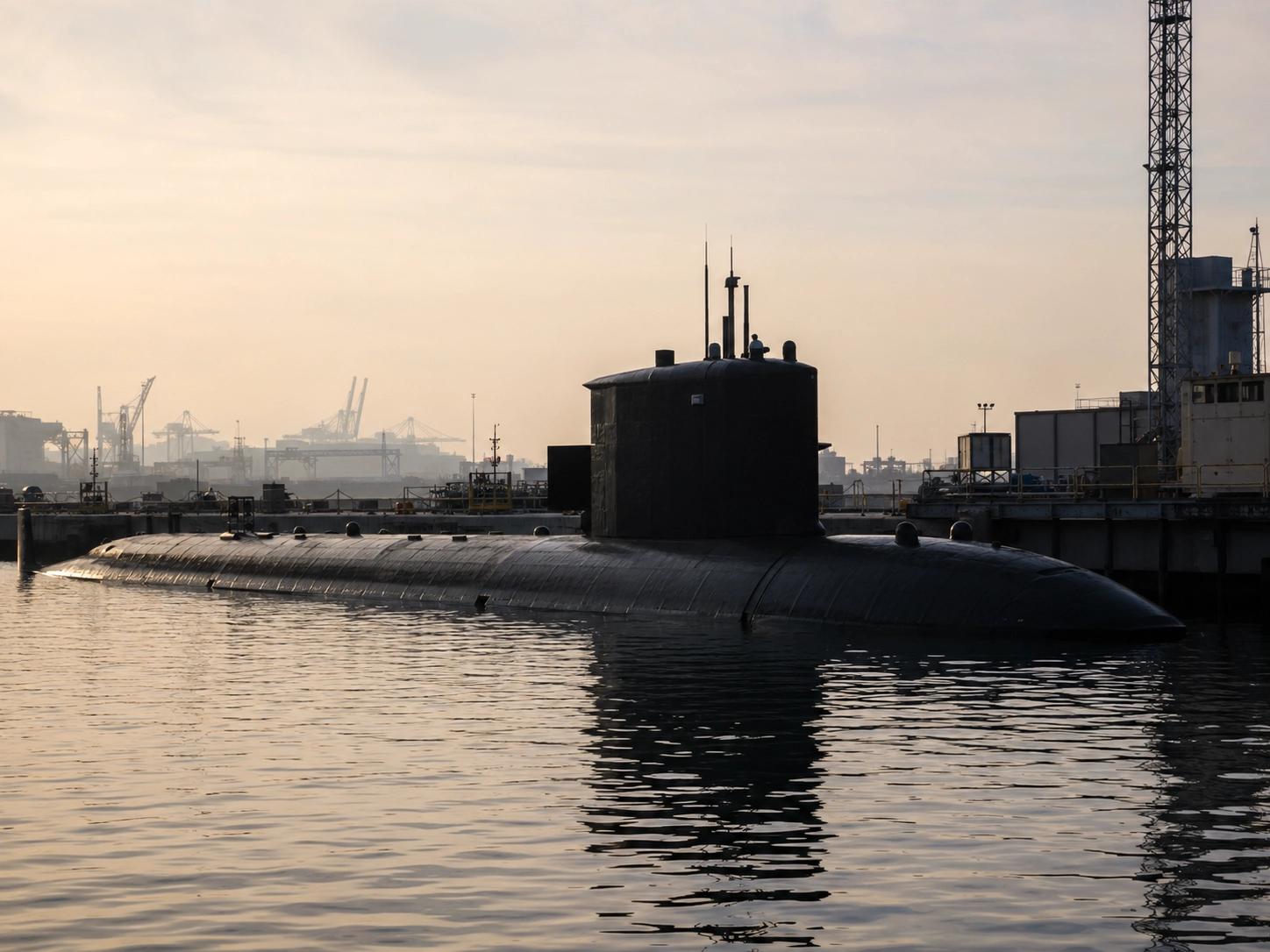
Australia committed another $4.6bn to the Osborne submarine yard, raising total investment to $8.5bn under its AUKUS programme.
The Dutch Defence Ministry sought quantum research proposals to strengthen operational advantage and digital resilience, backed by about €4.5 million.
NATO approved common funding and fuel infrastructure plans, while the UK funded nextgeneration air combat and hypersonic target work.
HM Government detailed £31bn for air and space and a roadmap raising UK troops in Estonia to 1,200 as part of NATO deterrence.
HM Government announced a 10year, £26bn programme to modernise Clyde, Devonport and Portsmouth naval bases and support Royal Navy readiness.
The UK launched a Defence Universities Alliance backed by £182 million to expand defence research, skills and student pathways.
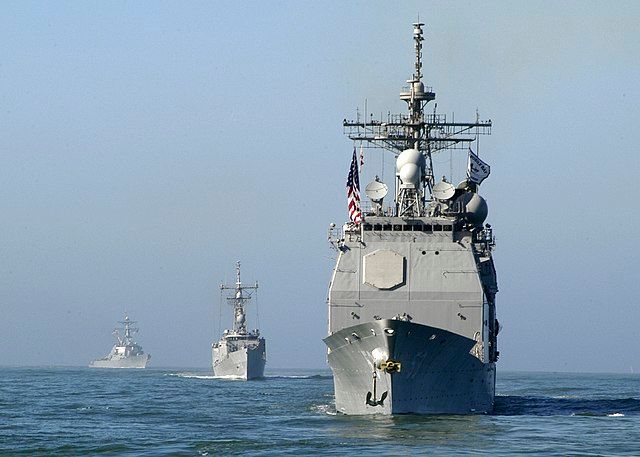
Germany outlined Baltic and North Sea mine warfare priorities, citing 12 minesweepers, 18 planned unmanned systems, and closer NATO Baltic cooperation on naval mines.