Key Developments
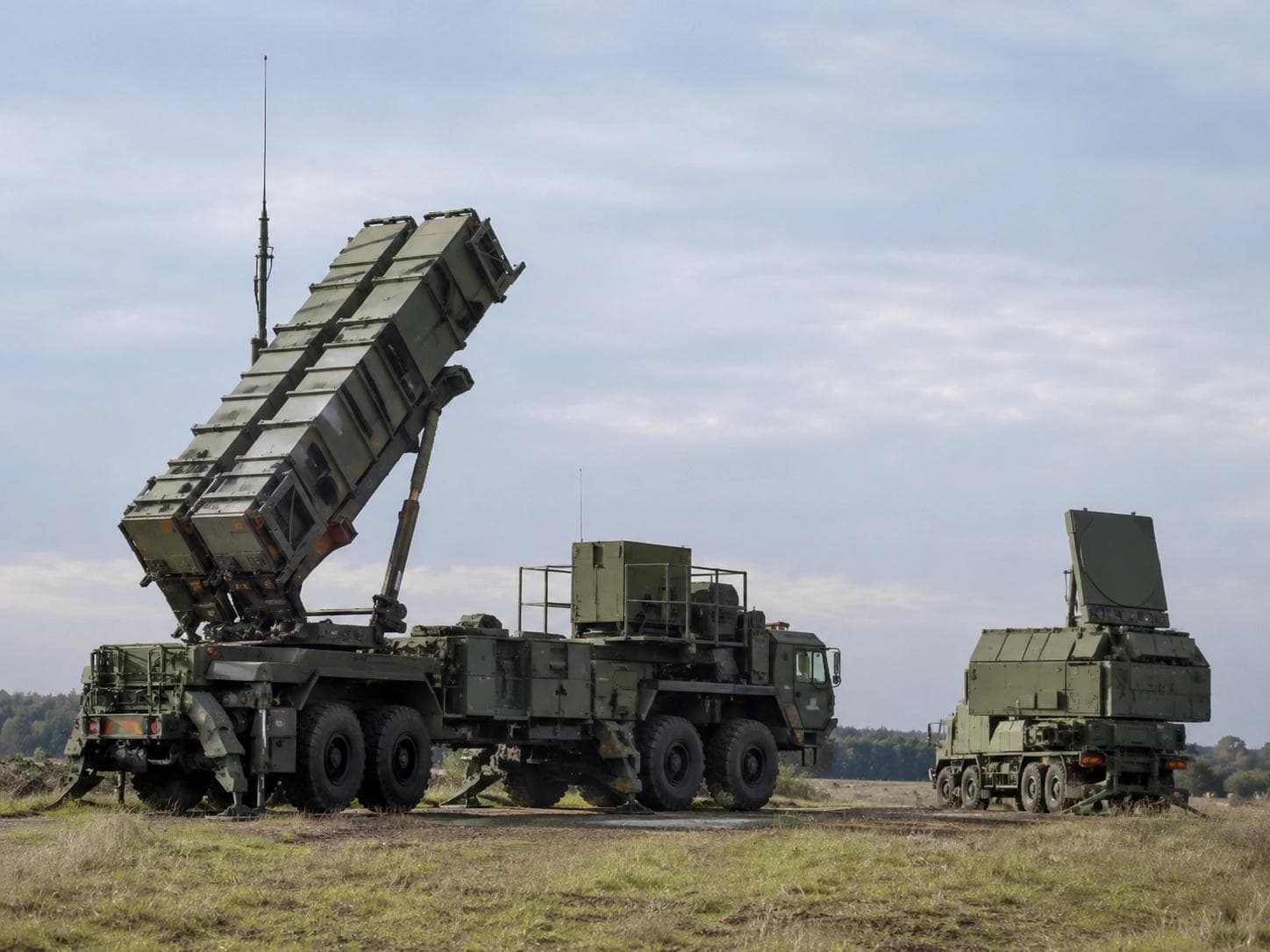
On 7 October 2026, the Minister for Defence said Australia had expanded the Army’s HIMARS fleet through a second tranche from the United States, strengthening long-range strike options and supporting a planned sovereign guided weapons industry.
Key Statistics
- Up to $37 billion in planned investment for long-range strike capabilities and sovereign guided weapons production, according to the Minister for Defence
- 90 HIMARS launchers in the expanded Australian Army fleet, according to the Minister for Defence
- Up to 500 kilometers of target engagement range for the current capability, according to the Minister for Defence
- More than 1,000 kilometers of potential range in future capability increments, according to the Minister for Defence
Main Body
On 7 October 2026, the Minister for Defence announced that Australia had expanded the Army’s High Mobility Artillery Rocket System fleet with a second tranche of launchers from the United States. The announcement placed HIMARS at the centre of the government’s effort to give the Australian Army longer-range land strike options.
The Minister for Defence said the expanded fleet would allow the Army to engage targets at ranges of up to 500 kilometers, with later capability increments expected to reach beyond 1,000 kilometers. The same statement said the government was investing up to $37 billion to develop these strike systems and build a sovereign guided weapons manufacturing industry in Australia.
The acquisition formed part of a wider Australian defence pattern focused on regional capability and interoperability. On 23 September 2026, the Minister for Defence launched an online Defence Training Hub with more than 150 modules for Pacific partners, and on 23 September 2026 the Department of Defence said HMAS Supply had returned from a 101-day Indo-Pacific deployment.
The HIMARS expansion mattered because it increased the Army’s ability to hold distant targets at risk while supporting domestic weapons production, according to the Minister for Defence. In practical terms, the move aligned Australia’s land forces with a regional posture that also relied on maritime deployments, partner training, and cooperation across the Indo-Pacific, as reflected in recent Department of Defence activity with ASEAN-led maritime security partners.