Quick Brief
The defence sector this week was shaped by three major developments: continued hostilities and tentative ceasefire talks in Ukraine during the Orthodox Easter period; a pivotal U.S. presidential address on the Iran conflict amid rising regional tensions; and a deepening humanitarian and legal crisis in Lebanon linked to the Israel-Hezbollah confrontation. Each of these events carries significant implications for military operations, diplomatic efforts, and humanitarian protections.
Persistent Conflict and Fragile Ceasefire Prospects in Ukraine
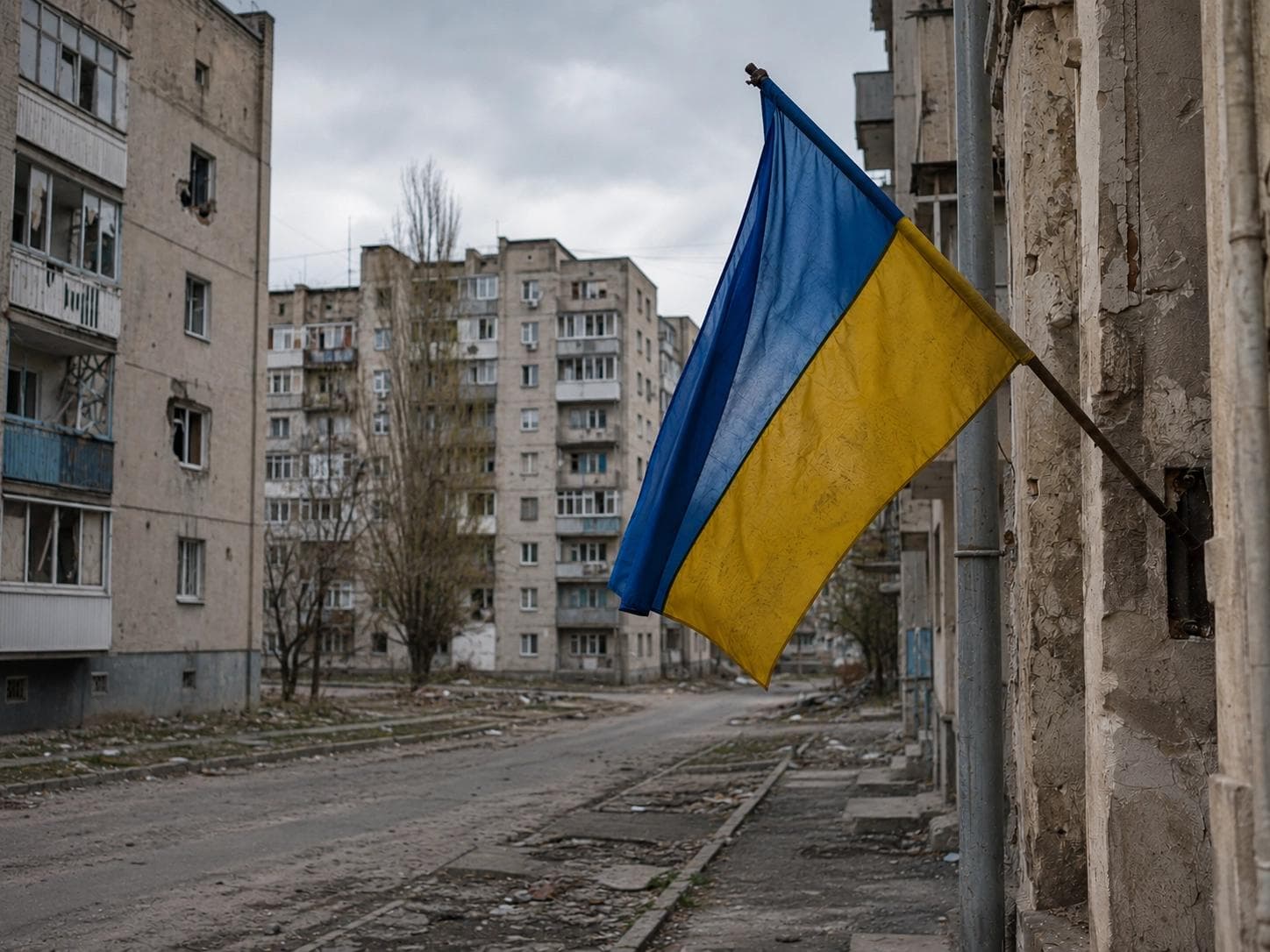
Russian forces maintained offensive operations in Ukraine, including drone and aerial strikes targeting the Kyiv region and other areas, resulting in civilian casualties. According to AP News and Ground News, these attacks killed at least eight people as of early April 2026. Despite the violence, Ukrainian officials expressed openness to a temporary truce during the Orthodox Easter holiday, signaling a cautious diplomatic opening amid ongoing hostilities (AP News).
The planned prisoner exchange timed for Easter further underscores the complex interplay between military conflict and humanitarian considerations. This juxtaposition highlights the challenges of negotiating ceasefires in active war zones where frontline violence persists. Moreover, Ukrainian drone strikes have extended beyond battlefield targets, impacting Russian oil export infrastructure. The Finnish Border Guard reported that drone attacks have effectively halted operations at Russia's Baltic oil ports, disabling approximately 20% of export capacity, as detailed by Novaya Gazeta Europe. This disruption threatens to reduce Russian oil production and has broader implications for energy markets and maritime security in the Baltic Sea region.
Why it matters: The continuation of Russian strikes despite diplomatic overtures reveals the fragility of ceasefire efforts and the enduring volatility of the Ukraine conflict. The targeting of critical energy infrastructure by Ukrainian forces introduces new dimensions to the conflict, potentially affecting global energy supplies and geopolitical alignments. These developments emphasize the intertwined nature of military, economic, and diplomatic strategies in modern warfare.
U.S. Strategic Messaging and Political Calculus on Iran Conflict
Former President Donald Trump delivered a nationally televised address on 1 April 2026, focusing on the escalating conflict involving Iran and regional security concerns around the Strait of Hormuz. According to AP News and NPR, Trump sought to justify potential military actions and urged the American electorate to grant his administration more time to manage the crisis. His speech aimed to reassure a skeptical public amid fears of escalation and political fallout ahead of upcoming elections.
The address also coincided with significant judicial developments, as the U.S. Supreme Court considered challenges to birthright citizenship, a contentious issue with broad legal and political ramifications (NPR). The court appeared inclined to rule against the Trump administration’s position, adding another layer of complexity to the domestic political environment.
Why it matters: Trump's address reflects the intersection of defence policy, electoral politics, and public opinion in shaping U.S. responses to international conflicts. The administration’s framing of the Iran situation as a matter of national security seeks to consolidate support for potential military engagement. Concurrently, the Supreme Court’s stance on birthright citizenship signals ongoing domestic legal battles that could influence broader governance and immigration policies, indirectly affecting defence priorities and resource allocation.
Lebanon’s Humanitarian Crisis and Legal Challenges Amid Israel-Hezbollah Conflict
The intensifying conflict between Israel and Hezbollah in Lebanon has precipitated a severe humanitarian crisis marked by mass displacement and significant casualties. Reports from NPR and AP News document that over a million civilians have been displaced, with at least 53 paramedics killed amid allegations that medical personnel have been deliberately targeted. Lebanese authorities and human rights organizations have raised alarms about the protection of first responders, a claim Israel denies.
The humanitarian situation is further complicated by sectarian tensions, as displaced Shiite families face hostility, intimidation, and evictions within Lebanon, exacerbating social fragmentation and complicating relief efforts (AP News).
In parallel, human rights lawyers in France have filed a war crimes complaint against Israeli forces over a deadly strike in Beirut that killed Ali Cherri, invoking French jurisdiction to seek investigation and potential prosecution (AP News). This legal action highlights the international dimension of accountability efforts related to the conflict.
Why it matters: The targeting and loss of medical personnel represent a grave challenge to international humanitarian law and the protection of civilians in conflict zones. The displacement and sectarian tensions within Lebanon threaten regional stability and complicate peacebuilding and aid delivery. The war crimes complaint signals increasing international scrutiny and potential legal consequences for actions taken during the conflict, which may influence future military conduct and diplomatic negotiations.
Conclusion
This week’s defence landscape underscores the persistent volatility and complexity of contemporary conflicts. In Ukraine, ongoing Russian attacks coexist with tentative ceasefire talks and strategic strikes on energy infrastructure, reflecting multifaceted warfare dynamics. The U.S. political leadership’s messaging on Iran reveals how domestic politics and international security concerns intertwine, shaping defence policy and public perception. Meanwhile, Lebanon’s escalating humanitarian crisis and emerging legal challenges spotlight the profound human costs of conflict and the growing role of international legal mechanisms.
Together, these developments illustrate the interconnected nature of military operations, diplomacy, humanitarian protection, and legal accountability in shaping global defence affairs. Stakeholders must navigate these overlapping domains to manage risks, uphold international norms, and seek pathways toward conflict resolution.