Quick Brief
Week 10 of 2026 was marked by a sharp escalation in the Middle East conflict following U.S. and Israeli strikes on Iran, provoking retaliatory missile attacks by Iran and allied militias, including Hezbollah’s renewed engagement against Israel. This intensification risks broadening regional instability with implications for global security and energy markets. In the United States, the political landscape was shaped by early 2026 midterm primary elections in key states, debates over presidential war powers, and questions about the erosion of traditional political norms under the Trump administration. Meanwhile, the OECD highlighted global governance and economic challenges through a series of speeches and reports emphasizing demographic sustainability, regulatory simplification, and economic outlooks.
A Region on Edge: The Middle East Conflict Deepens
This week saw a significant escalation in hostilities between Iran, Israel, and their respective allies, marking a dangerous widening of the conflict in the Middle East. The U.S. and Israeli forces conducted airstrikes targeting Iranian sites, including the killing of a senior Iranian regime leader, which triggered a series of retaliatory missile and drone attacks by Iran against Israel and U.S. allied Gulf states such as Bahrain, Saudi Arabia, Kuwait, and the United Arab Emirates. Notably, Hezbollah in Lebanon launched attacks on Israel, opening a northern front for the first time in over a year, raising fears that Lebanon could become a major battleground in the conflict s1, s2, s3, s4.
Why It Matters
The conflict’s expansion threatens to destabilize an already volatile region, with potential spillover effects on global energy supplies given the involvement of key oil-producing Gulf states. The engagement of multiple state and nonstate actors complicates diplomatic efforts and raises the risk of a protracted war. The U.S. and Israel’s military actions and Iran’s aggressive responses underscore a dangerous cycle of escalation with significant geopolitical consequences for international security and energy markets s2, s5.
Shifting U.S. Political Terrain: Primaries, Power, and Presidential Norms
The United States experienced notable political developments this week as the 2026 midterm primary elections commenced in key states including Texas, North Carolina, and Arkansas. Early results and candidate performances, such as those of Talarico, Crockett, Cornyn, and Cooper, have provided insight into party dynamics, voter turnout, and emerging electoral trends that could influence the broader midterm landscape s7, s10.
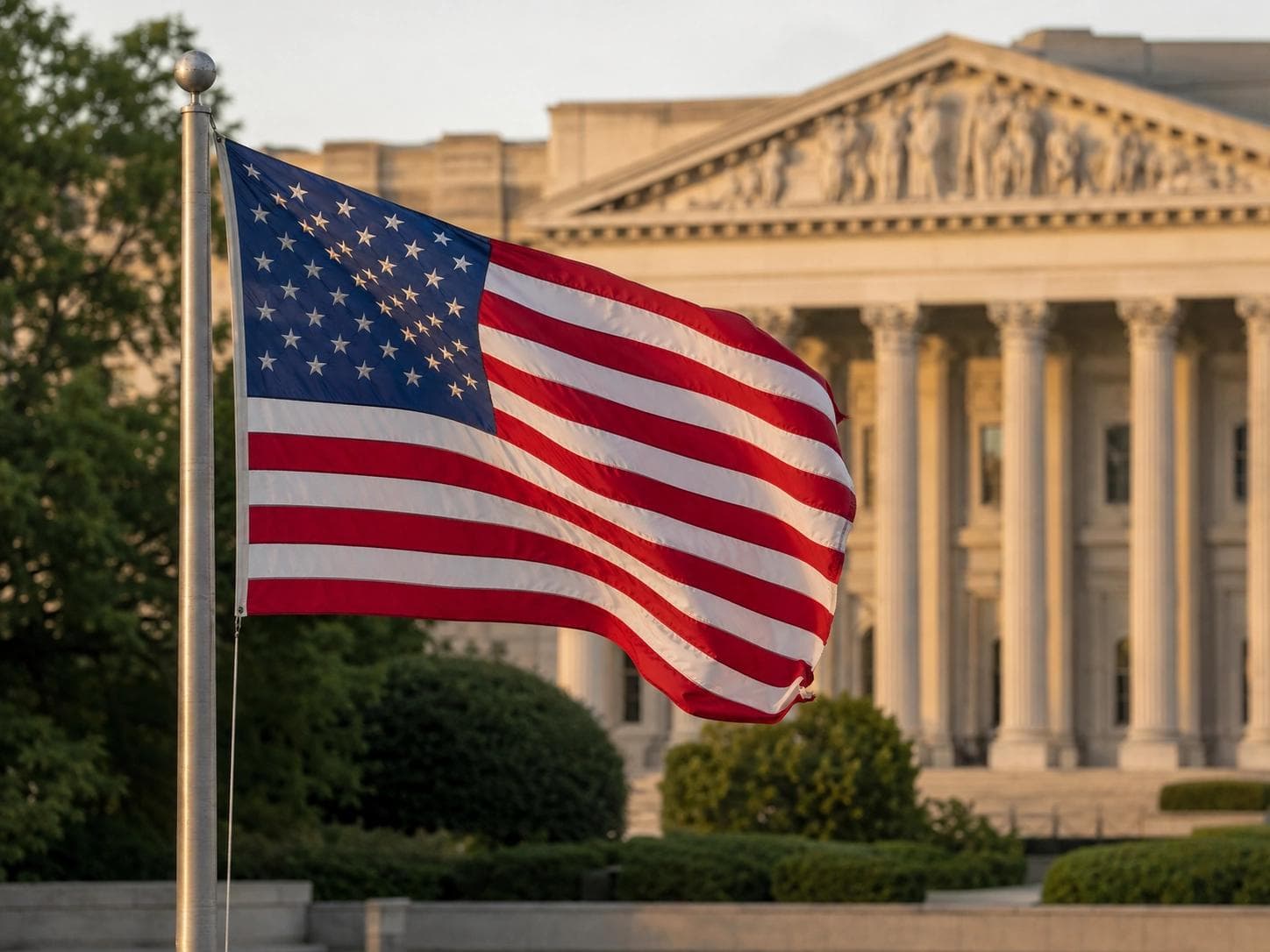
Simultaneously, the U.S. House of Representatives prepared to vote on a measure aimed at limiting President Trump’s authority to continue military actions against Iran, reflecting congressional concerns over executive war powers and the ongoing conflict s8. This legislative move comes amid broader debates about the erosion of presidential norms under the Trump administration, with experts and public discourse questioning the balance of executive power, institutional checks, and the implications for U.S. governance s9.
Why It Matters
The early primary outcomes serve as a bellwether for voter sentiment and party strategies heading into the midterms, potentially shaping the composition of Congress and the political environment for the remainder of 2026. The congressional push to curtail presidential war powers signals heightened legislative scrutiny over executive military actions, particularly in the context of the Middle East conflict. The ongoing debate about presidential norms highlights concerns about democratic institutions and governance practices during a period of heightened domestic and international tensions s6.
Global Governance and Economic Outlook: OECD’s Strategic Focus
Amid geopolitical and domestic political turbulence, the OECD Secretary-General Mathias Cormann emphasized key global governance and economic challenges through a series of speeches and events held in late 2025 and early 2026. At the Growing Europe Summit in Vilnius, Cormann addressed Europe's demographic challenges, advocating for investments in families and policies to support sustainable population growth s11.
Further remarks at the Australian Institute of International Affairs National Conference highlighted the importance of international cooperation and economic governance reforms relevant to OECD members, including Australia s12. The Simplifying for Success Symposium underscored the need to reduce regulatory complexity and administrative burdens to enhance public sector effectiveness and economic outcomes s13.
Additionally, the Third OECD-LAC Ministerial Summit on Governance convened officials from OECD and Latin American and Caribbean countries to discuss governance challenges and institutional strengthening s14. The launch of the OECD Economic Outlook in Paris presented a macroeconomic assessment highlighting risks to global growth and policy recommendations for stability s15.
Why It Matters
These OECD initiatives reflect a concerted effort to address pressing demographic, regulatory, and economic challenges that have broad implications for public policy and international cooperation. The focus on simplifying governance and supporting sustainable growth is critical for enhancing resilience amid geopolitical uncertainties and economic volatility. The economic outlook provides governments with data-driven guidance to navigate risks and foster stability in a complex global environment.
Conclusion
Week 10 of 2026 encapsulated a confluence of critical political dynamics: an intensifying Middle East conflict with far-reaching security and energy implications; evolving U.S. political contests and institutional debates amid the 2026 midterm primaries and executive war powers scrutiny; and global governance efforts led by the OECD to confront demographic shifts, regulatory reform, and economic risks. Together, these developments underscore the interconnectedness of regional conflicts, domestic political processes, and international policy frameworks shaping the global political landscape today.