Central Development
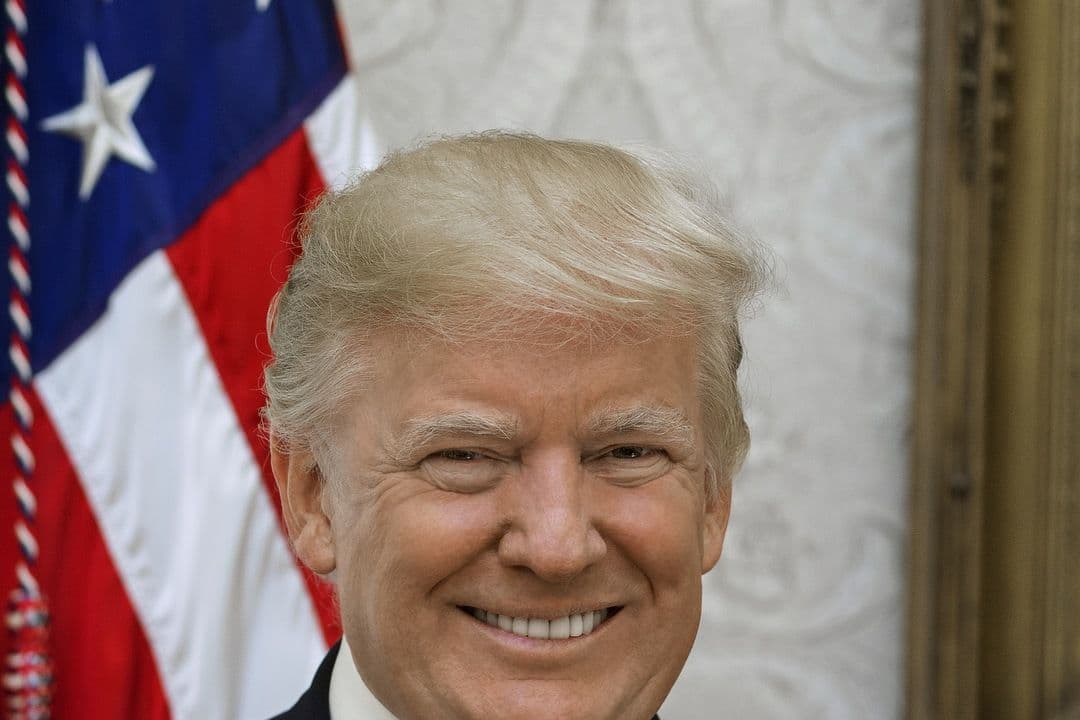
President Trump said at a NATO summit in Turkey on July 8 that he believes the ceasefire with Iran is “over” after a recent exchange of attacks between U.S. and Iranian forces, according to NPR. NPR reported that the remarks came as strikes and counterstrikes strained the agreement that had been intended to end the war.
Why It Matters
The venue sharpened the significance of the statement. A U.S. president declaring the ceasefire finished while attending a NATO summit links the Iran file to alliance coordination, not only bilateral U.S.-Iran crisis management. NPR reported that the declaration prompted concern among allies, raised questions about NATO cohesion, and came as diplomats and officials weighed possible responses to the risk of renewed regional escalation.
Perspective
The available reporting points to a ceasefire under severe stress, but not all framing is identical. AP presented the moment through a chronology of U.S.-Iran clashes, diplomatic negotiations, and incidents, framing the central question as whether a key deal is effectively dead and whether the prospect of war has returned. That distinction matters: Trump’s statement is a major political signal, while the operational status of the ceasefire depends on whether governments and forces act as though restraint has ended.
What to Watch
Whether U.S. or Iranian officials formally define the ceasefire as terminated or leave room for renewed diplomatic contact.
- Allied statements after the NATO summit, especially any signs of coordinated messaging or visible disagreement.
- Further U.S.-Iran military incidents, which would indicate whether Trump’s statement is followed by escalation on the ground.