Central Development
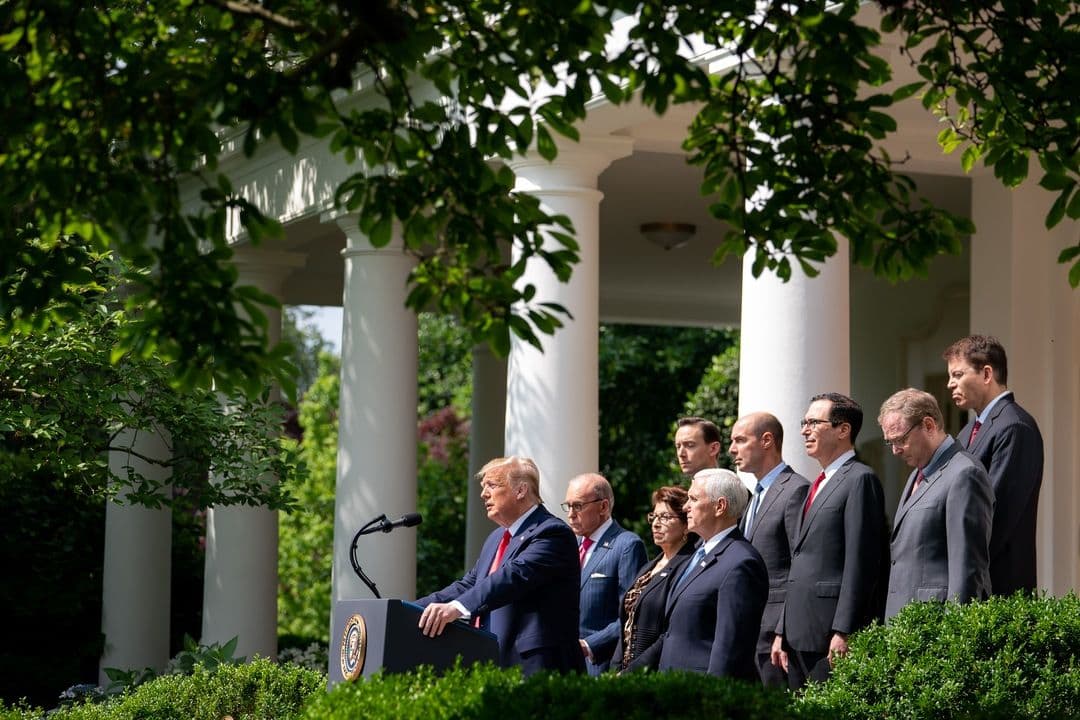
President Donald Trump said at a NATO summit in Turkey on July 8 that he believes the ceasefire with Iran is “over” after a recent exchange of attacks between U.S. and Iranian forces, according to NPR. The statement marks the clearest public break from the ceasefire framework after strikes and counterstrikes had already strained the agreement, NPR reported. As GPS previously reported, the remarks shifted attention from whether the pause could hold to whether U.S.-Iran diplomacy still has a viable channel.
Why It Matters
The development matters because the ceasefire was meant to contain a cycle of direct U.S.-Iran confrontation, and Trump’s statement narrows the political space for treating recent attacks as isolated breaches. AP News framed the episode within a broader sequence of clashes, diplomatic negotiations and incidents, asking whether a key deal is effectively dead and whether the risk of war has returned. NATO is also a relevant venue: U.S. signaling at alliance summits can affect allied planning, crisis messaging and perceptions of collective coordination.
Perspective
The available reporting points to a declaratory shift rather than a fully specified U.S. policy package. NPR reported that Trump’s statement prompted concern among allies, raised questions about NATO cohesion and came as diplomats and officials considered possible responses. That distinction matters: the ceasefire may be politically weakened, but the next practical steps depend on whether Washington, Tehran and allied governments treat the statement as the end of negotiations or as leverage in renewed diplomacy.
What to Watch
Any U.S. clarification on whether the ceasefire is formally terminated.
- Iranian statements or military moves after Trump’s NATO remarks.
- NATO member responses, especially on crisis coordination and regional force posture.
- Diplomatic activity aimed at restoring a pause or defining new terms.