Central Development
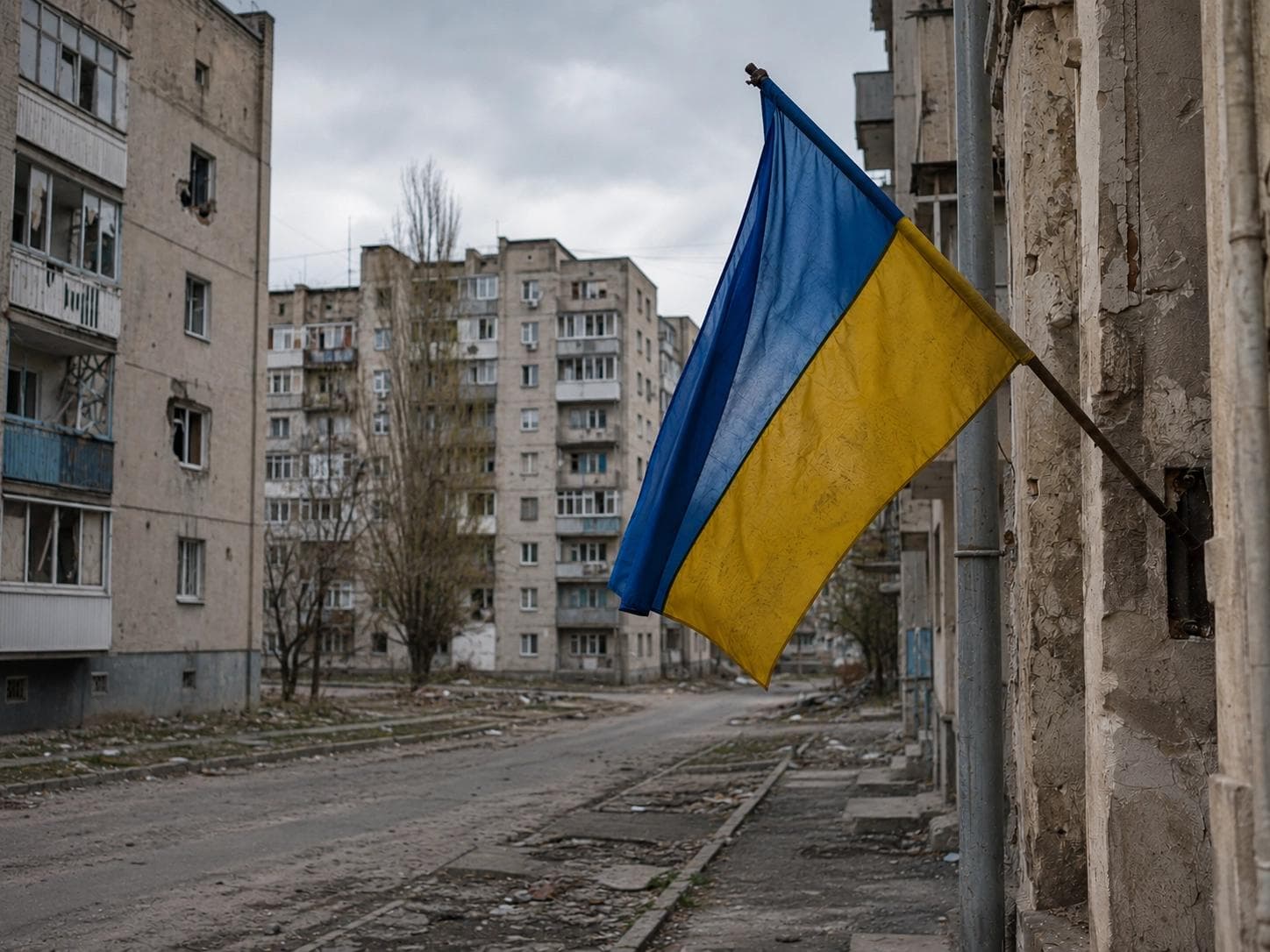
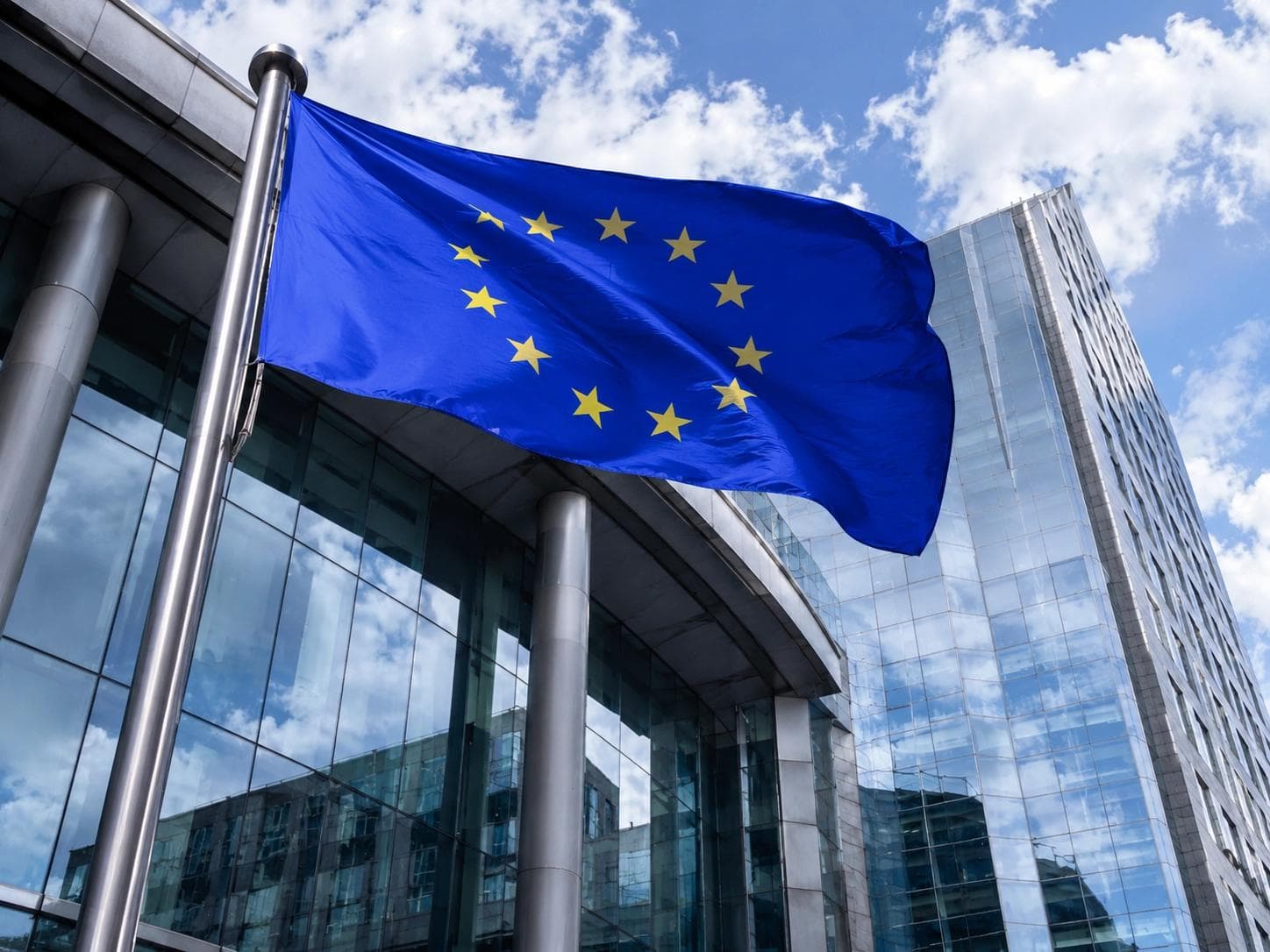
The EU’s enlargement agenda moved forward on July 14, with the European Commission saying it opened the “external relations” accession cluster with Ukraine, as GPS previously reported. The European Commission said the Ukraine track covers alignment of international, trade and defense policies with EU standards. In a parallel step, the European Commission said Moldova began negotiations on the same cluster.
Why It Matters
The moves put foreign-policy alignment at the center of accession work for two states whose EU bids carry wider security implications. The Associated Press reported that EU leaders also moved Albania and Montenegro forward into formal accession negotiations, placing four candidate countries inside the bloc’s next enlargement phase. The practical significance is procedural but substantial: negotiations can advance only through sustained compliance with EU political, economic and policy requirements, and accession still requires approval by all member states, according to the Associated Press.
Perspective
The evidence base is uneven in emphasis. The Commission’s notices provide the clearest detail on Ukraine and Moldova, particularly the scope of the external-relations cluster and the merit-based monitoring of Ukraine’s progress, according to the European Commission. The broader four-country framing comes from media reporting, with the Associated Press stressing the enlargement-process milestone rather than the technical content of each negotiating cluster.
What to Watch
Commission assessments of Ukraine’s and Moldova’s compliance with external-relations benchmarks.
- Whether Albania and Montenegro receive clearer timelines for the next negotiating chapters.
- Signals from EU member states on unanimity risks before any eventual accession decision.