Central Development
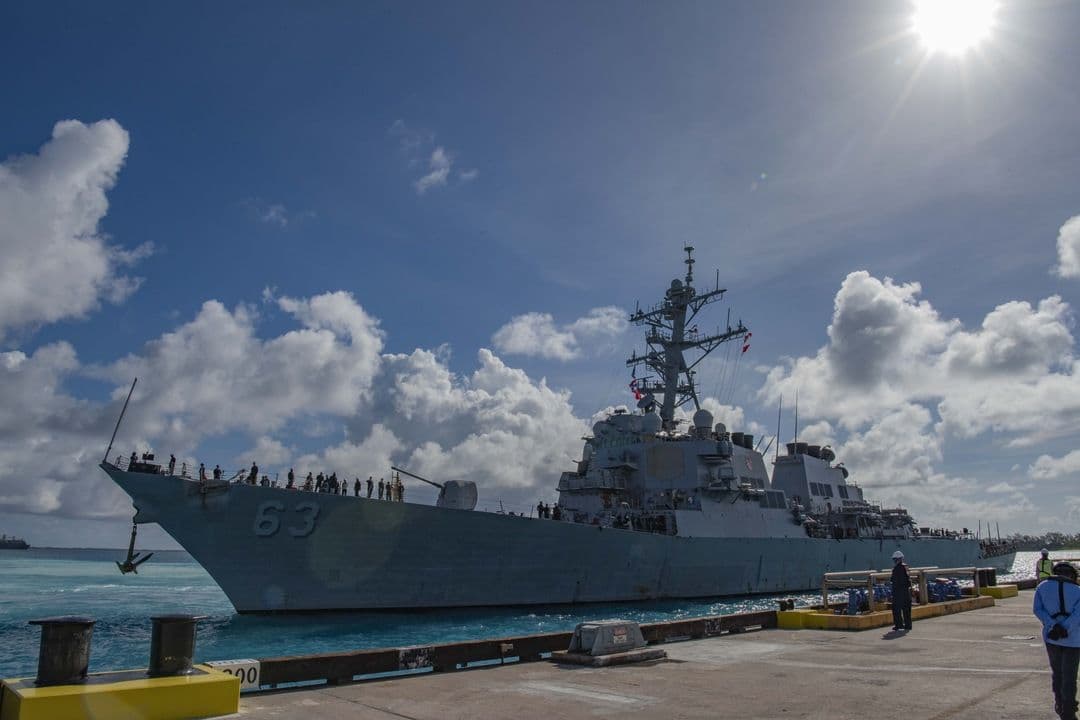
The U.S. military is moving to reinstate a blockade of Iranian ships in the Strait of Hormuz, with the action scheduled to begin Tuesday, according to NPR. A separate NPR report framed the step as affecting traffic through a strategic maritime chokepoint. Tehran has also vowed to assert its own control over the waterway, NPR reported.
Why It Matters
The blockade plan shifts the dispute from competing control claims toward a direct maritime enforcement problem. The Associated Press reported that Iranian forces, other regional actors, the waterway’s narrow geography, and reluctance by insurers and shippers all complicate safe passage. The confrontation also carries wider security and energy-market risks, according to the Associated Press.
Perspective
This is the next phase after U.S. and Iranian forces exchanged attacks around the strait on July 13, as the Associated Press reported. President Donald Trump then announced that the United States would reinstate a blockade on Iran, according to NPR. Both governments subsequently claimed control over the Strait of Hormuz, the Associated Press reported. As GPS previously reported, the blockade decision had already become the central test of Washington’s posture; the latest issue is whether enforcement can be sustained without further escalation.
What to Watch
Whether U.S. forces publish enforcement rules for Iranian vessels near the strait.
- Iranian naval or political responses to the renewed blockade.
- Insurer and shipper decisions on whether to resume normal routing.
- Any regional coordination aimed at securing passage or de-escalating encounters.