Central Development
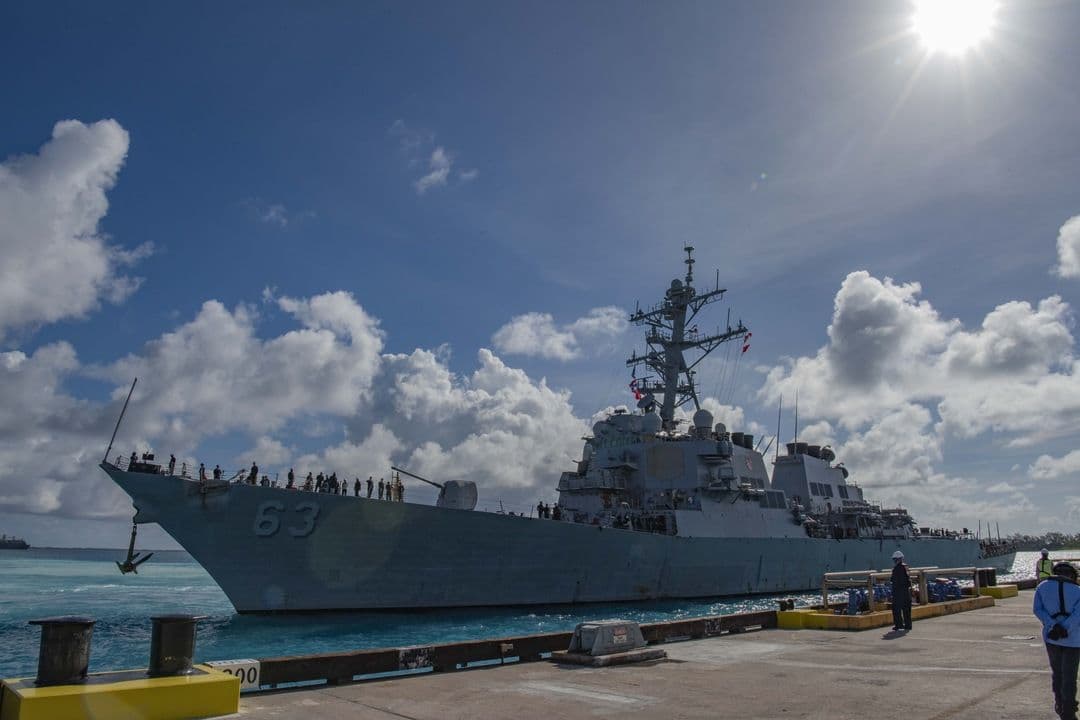
U.S. and Iranian forces exchanged attacks around the Strait of Hormuz on July 13, according to AP, while NPR reported that U.S. forces exchanged fire with Iranian forces for a third consecutive weekend. The confrontation widened from military contact to political control claims on July 14, when AP reported that both Washington and Tehran asserted control over the strait.
Why It Matters
The Strait of Hormuz is a critical maritime chokepoint, so claims of control and repeated fire create immediate risk for shipping decisions, naval deployments, and energy-market expectations. President Donald Trump added a policy dimension on July 13 by announcing that the United States would reinstate a blockade on Iran and charge a toll on ships transiting Hormuz, according to NPR. That shifts the dispute from episodic clashes toward contested rules for passage.
Perspective
This development follows the same escalation track GPS previously reported, but the focus has moved from threats and command-chain questions to operational control of a maritime corridor. AP also noted that international law defines navigation rights in the strait, an important constraint on unilateral toll or blockade measures. The same report said Iran may try to disrupt maritime traffic, but that remains a risk assessment rather than a confirmed new action.
What to Watch
Whether U.S. forces begin enforcing a blockade or toll regime.
- Any Iranian attempt to impede commercial shipping through Hormuz.
- Naval advisories, insurer guidance, or route changes by tanker operators.
- Legal or diplomatic challenges to competing control claims.