Central Development
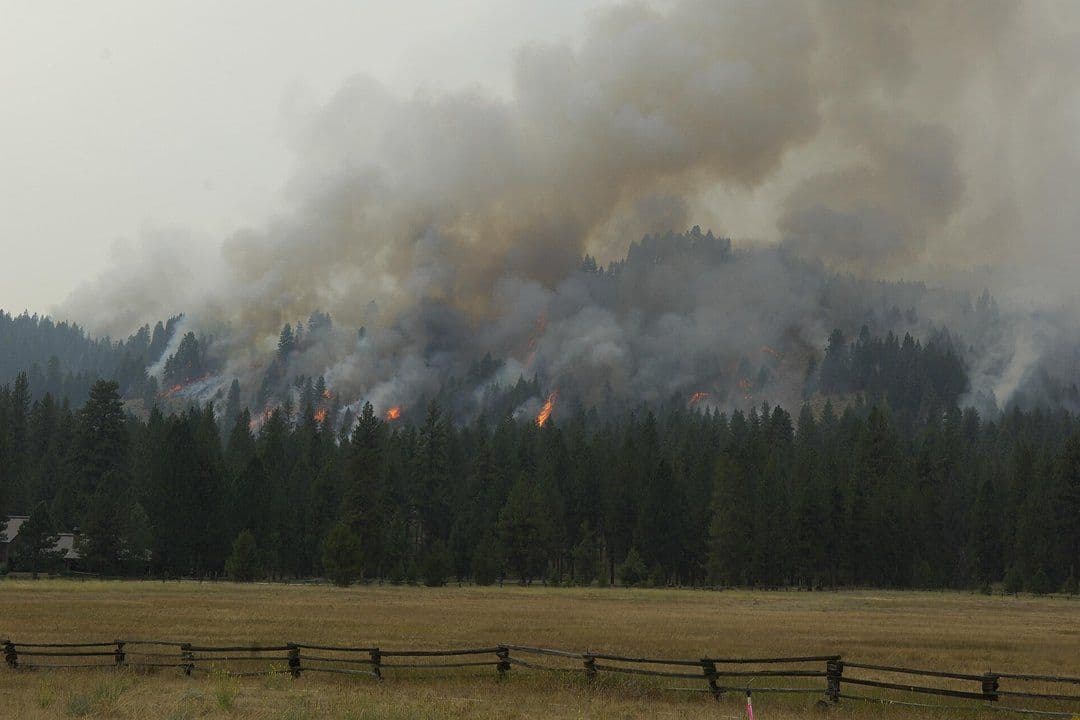
On July 12, Europe’s climate-stress story moved from risk assessment to operational disruption. Reports aggregated by Ground News said a heatwave affecting roughly a quarter of France led Paris landmarks to close early, while separate reports aggregated by Ground News said three French nuclear reactors were temporarily powered down while elevated temperatures persisted. In Spain, reports aggregated by Ground News said a fatal wildfire was almost under control and hundreds of evacuees were returning home.
Why It Matters
These events give near-term evidence for a wider resilience gap identified by the European Environment Agency. The EEA reported that climate-related events have caused EUR 822 billion in losses in Europe since 1980 and said adaptation needs stronger coordination across levels of government. As GPS previously reported, heat had already exposed resilience gaps before the latest French and Spanish disruptions.
Perspective
The Spanish fire remains a test of emergency communication as well as firefighting capacity. NPR reported on July 10 that the Almería wildfire had killed at least 12 people and left 23 missing, and the Associated Press reported that evacuations and emergency response were under way. Reports aggregated by Ground News also described a dispute between a victim’s relative and Spanish authorities over whether warnings arrived in time.
What to Watch
Whether French reactor curbs end as temperatures ease.
- Confirmation of Spain’s missing-person count and fire containment status.
- Any official review of evacuation warnings in Almería.
- How EU and national agencies translate EEA adaptation guidance into funded local measures.