Central Development
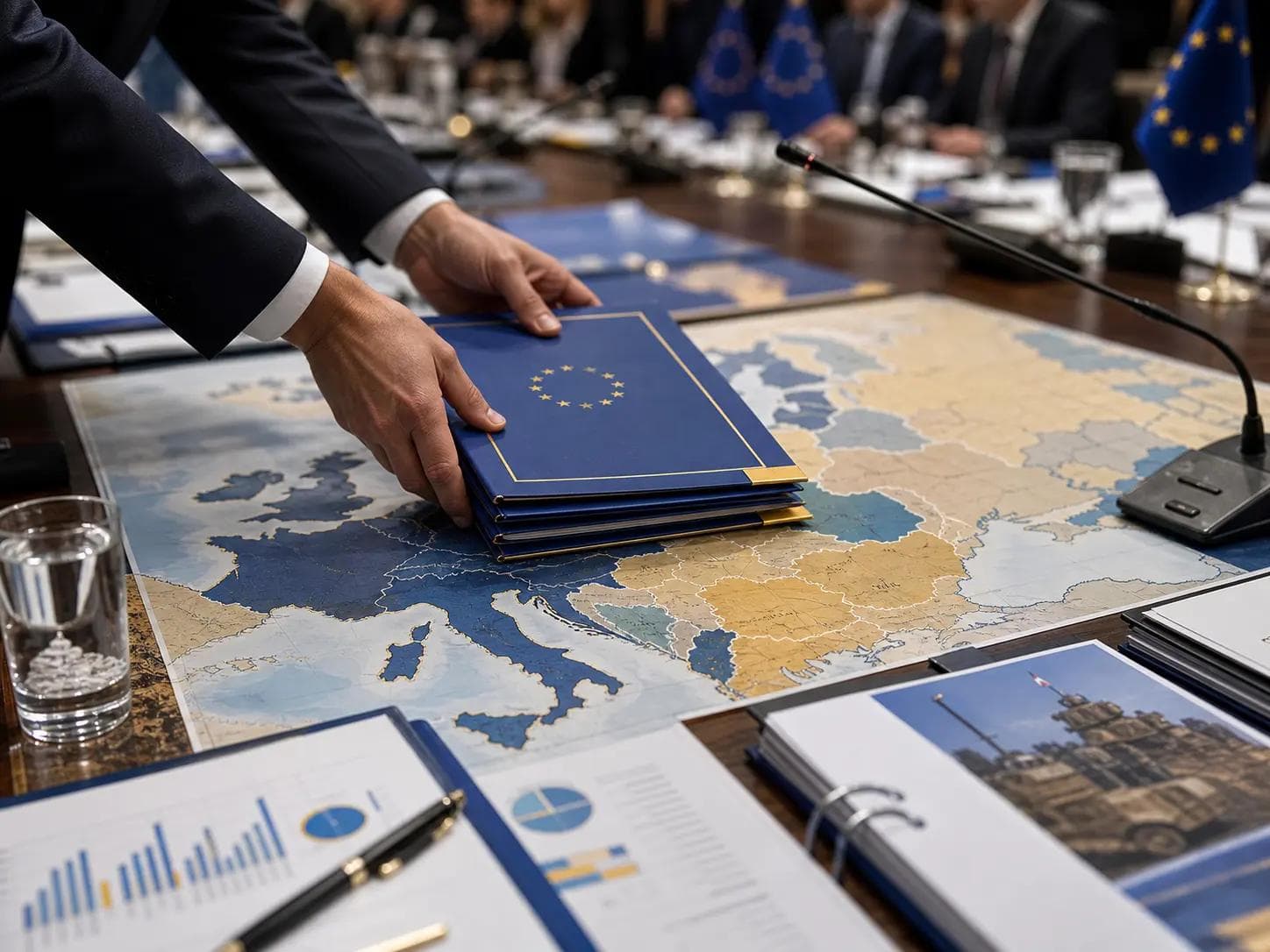
The European Commission and 15 partner countries launched the Team Gaza Initiative on July 13, putting an initial €883.6 million toward early recovery in Gaza, according to the European Commission. The UK government separately announced £10 million for Palestinian-led recovery efforts and said it would work with European partners to mobilize support for essential services, according to the UK government.
Why It Matters
The initiative shifts donor coordination from emergency relief toward early recovery priorities, including water, sanitation, health, energy and agriculture, according to the European Commission. The UK linked the funding push to renewed diplomacy on a two-state solution and highlighted constraints created by Israeli restrictions on aid, according to the UK government. For the EU, the Commission’s role as budget manager and policy coordinator makes the pledge a test of whether European institutions can align humanitarian funding, infrastructure planning and political conditions.
Perspective
Official European statements emphasize structured recovery mechanisms and adherence to humanitarian principles. The French Foreign Ministry said the UN Horizon Fund would support investments in essential services and infrastructure while promoting international law and humanitarian principles, and it listed $57.8 million in pledged contributions from eight countries. AP framed the broader EU-led effort as a push by dozens of nations to pledge $1 billion for reconstruction and humanitarian needs, a larger headline figure than the Commission’s initial euro-denominated Team Gaza amount.
What to Watch
Whether pledged funds move into project-level commitments for water, health, energy and agriculture.
- How donor coordination works with UN mechanisms and Palestinian-led recovery planning.
- Whether aid-access restrictions affect delivery timelines and diplomatic messaging.