Central Development
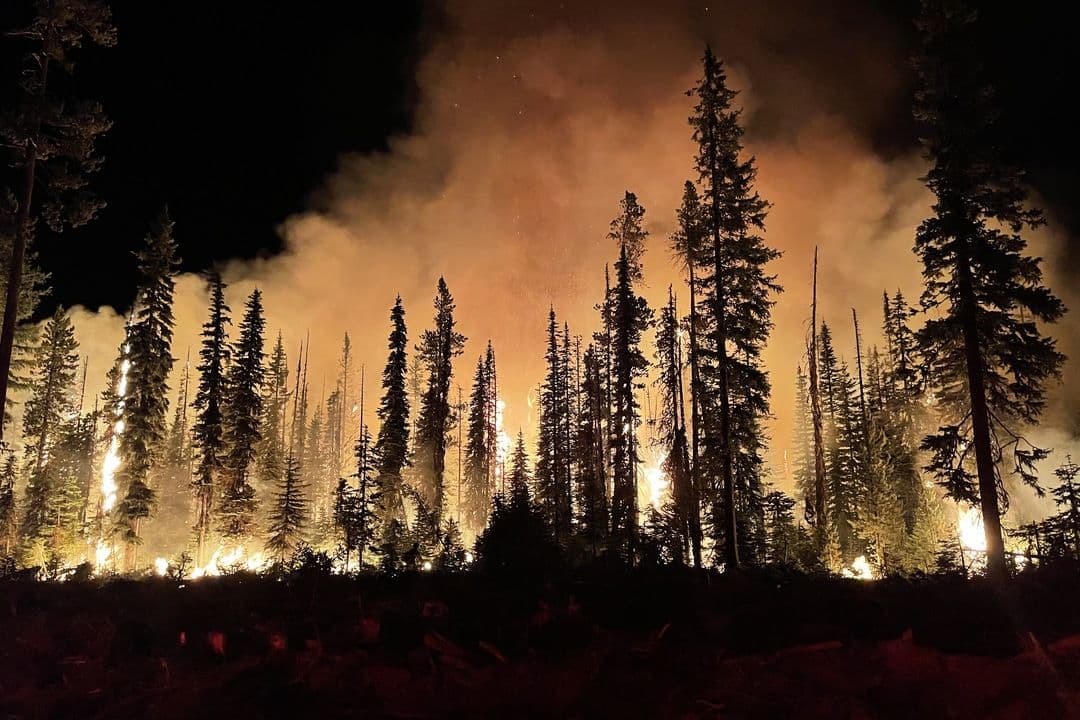
Emergency governance is being tested on two fronts: in southern Spain, a wildfire has killed at least 12 people and drawn hundreds of firefighters, while authorities have mounted broader response operations to contain the blaze and protect nearby communities, according to AP. In the United States, historic rainfall on July 11 triggered flooding in Missouri and Kentucky, with crews evacuating a summer camp, rescuing about 200 young campers, and conducting additional rescues or evacuations across several Missouri counties, according to NPR.
Why It Matters
The shared political issue is response capacity rather than a single weather system. Spain’s fire has produced a reported death toll and a large suppression effort, while the U.S. floods have forced rapid local rescue operations and damage assessments, NPR reported. For public authorities, these events put pressure on evacuation protocols, interagency coordination, and post-disaster support.
Perspective
The evidence base is strongest on operational facts: deaths, rescues, evacuations, and firefighting deployments. AP emphasizes Spain’s heatwave-and-wildfire emergency, while NPR centers the U.S. flood response and camp evacuation. As GPS previously reported, Spain’s wildfire response had already become a major emergency-management test. Separately, Ars Technica reported draft federal grazing rules would expand grazing, and AP reported new gas-fired plants are being proposed or installed to meet AI data-center electricity demand.
What to Watch
Updated casualty, missing-person, evacuation, and damage figures.
- Whether Missouri and Kentucky flood assessments lead to state or federal aid requests.
- Containment progress in southern Spain and any review of preparedness or evacuation decisions.
- Permit decisions tied to gas plants, data centers, and public-land grazing rules.