Central Development
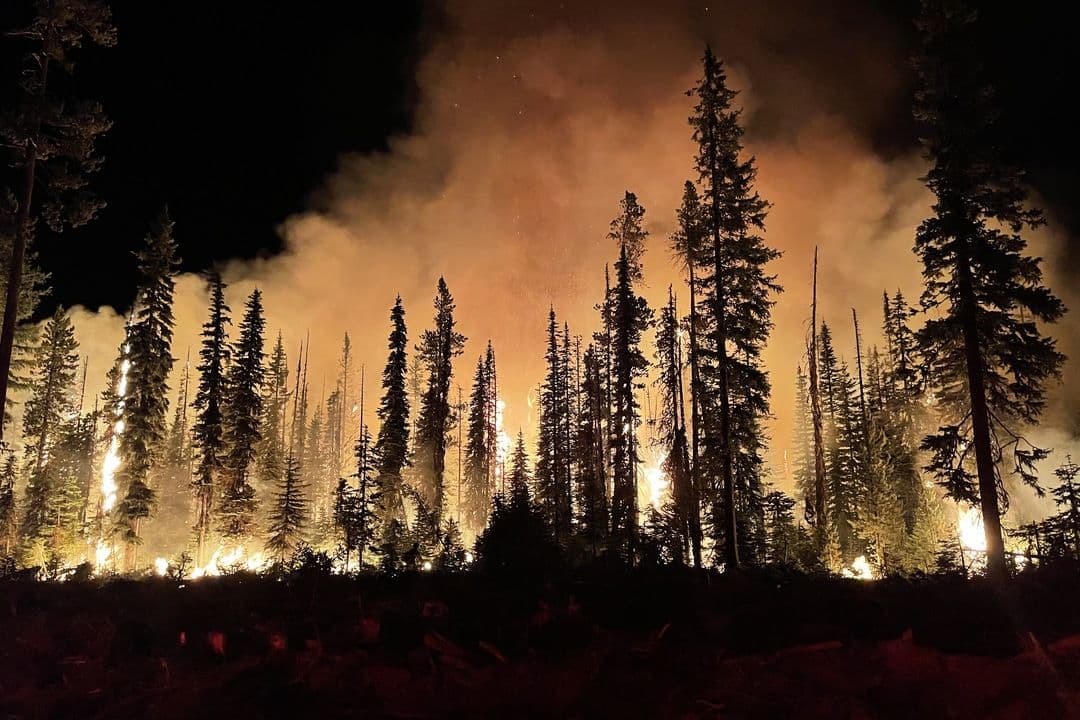
A fast-moving wildfire in Spain’s southern province of Almería has killed at least 12 people and left 23 others missing, according to NPR. NPR also reported that several victims were found in burned vehicles, apparently while trying to escape the flames. The Associated Press reported evacuations and a large emergency response, while putting the death toll at at least 11, showing that casualty accounting remained unsettled as search operations proceeded. As GPS previously reported, the Almería fire had already become a test of Spain’s emergency capacity.
Why It Matters
The Almería deaths turn Europe’s broader heat and adaptation debate into an immediate emergency-management issue. On July 9, the European Commission said local authorities need to implement adaptation measures for extreme conditions, and it identified heat as Europe’s deadliest weather hazard, citing an estimated 70,000 deaths in 2022. The wildfire adds a different but related stress point: evacuation routes, alert systems, firefighting capacity and missing-person searches in high-risk tourist and residential areas.
Perspective
The strongest shared thread across the reporting is that the Almería blaze moved quickly, caused mass casualties and forced emergency operations. Reuters reported the 12-death toll and vehicle deaths in coverage aggregated by Ground News, broadly aligning with NPR’s account. AP’s lower toll reflects a common lag in disaster reporting, where confirmed official counts, media tallies and field information can move at different speeds.
What to Watch
Updated death and missing-person figures from Spanish authorities.
- Whether firefighters report containment progress or renewed evacuation orders.
- Findings on the fire’s cause and any review of evacuation timing, road access or public alerts.