Central Development
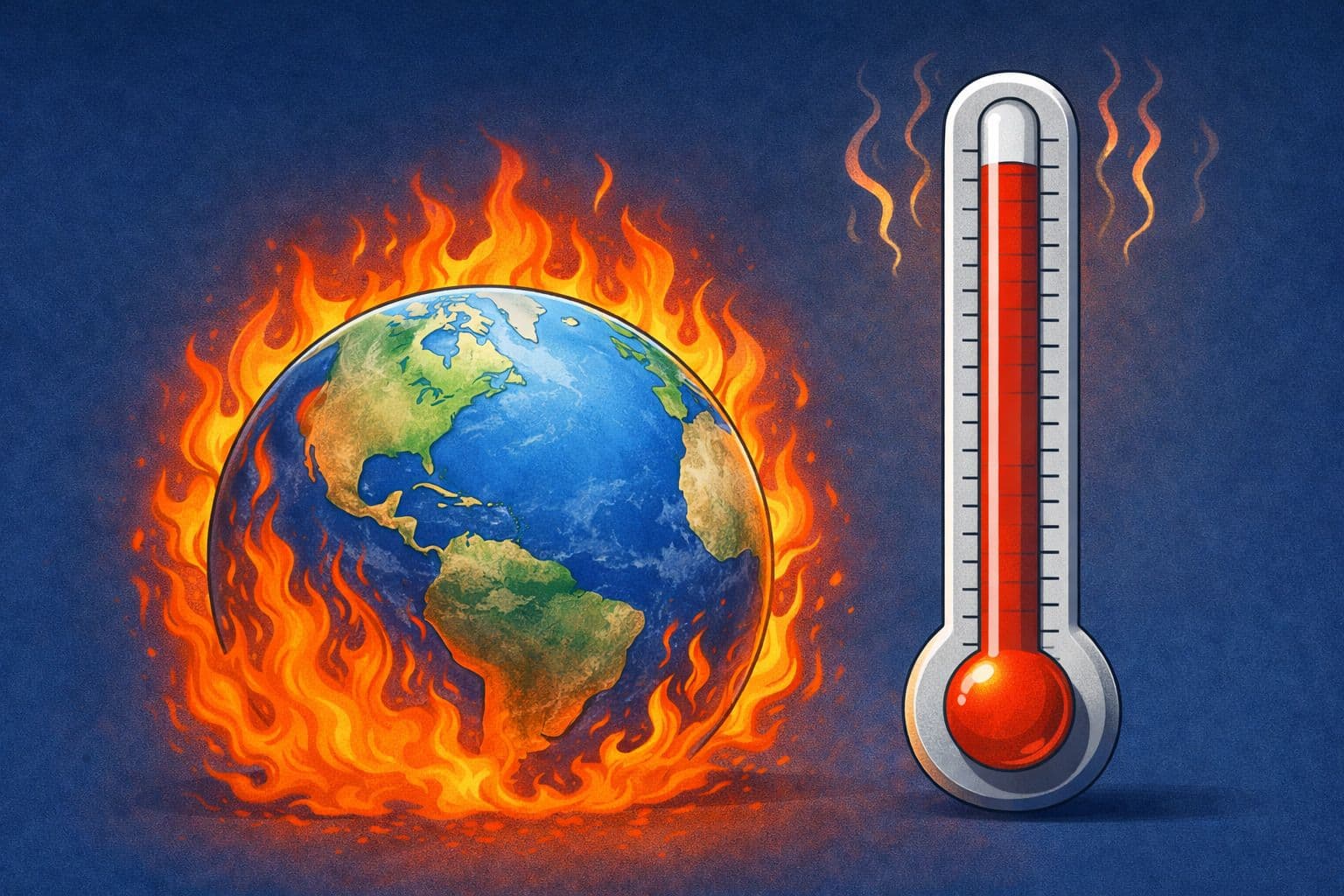
The European Commission on July 9 urged local authorities to put heat-adaptation measures into practice, warning that Europe has already faced two major 2026 heatwaves with temperatures reaching 41°C and effects across 100 million people, according to the European Commission. Ground News, aggregating coverage from other outlets, reported that Western Europe’s unusually hot June coincided with rising heat-related deaths and pressure on health services, according to Ground News.
Why It Matters
The Commission’s intervention shifts the issue from seasonal weather disruption toward implementation capacity: municipalities are being pressed to translate heat plans into cooling access, public-health outreach, and protection for exposed workers and vulnerable residents. The European Commission said heat is Europe’s deadliest weather hazard, causing more deaths than floods, storms, and wildfires combined, and estimated 70,000 heat-related deaths in 2022 alone. Ground News, aggregating reporting on Germany’s Robert Koch Institute, reported that a recent heat wave was linked to more than 5,000 deaths in Germany and that prolonged high temperatures raised risks for vulnerable groups, according to Ground News.
Perspective
The evidence base points in the same direction but with different emphases. The Commission frames heat as a governance and adaptation challenge for local authorities, while aggregated media coverage highlights immediate mortality, health-system strain, and policy tensions around air-conditioner restrictions or disincentives in parts of Europe. That makes this a continuation of the resilience gap GPS previously reported, but the July 9 data points sharpen the public-health dimension.
What to Watch
Local heat-action measures, including cooling centers, alert systems, and outreach to elderly or medically vulnerable residents.
- Whether national health agencies publish updated excess-mortality estimates after the June heatwaves.
- Policy reviews on building cooling rules, energy demand, and access to air conditioning during extreme heat.