Central Development
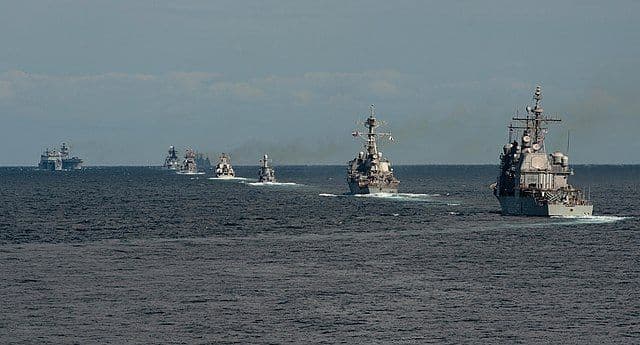
The United Kingdom and the Netherlands reaffirmed an Enhanced Maritime Partnership on July 7, with London saying the arrangement is intended to deepen defence-technology cooperation and strengthen maritime capabilities through the Joint Amphibious Force and the Amphibious Transport Ship programme, according to the UK government. The same announcement linked the partnership to NATO readiness, collective security, continued support for Ukraine and regional stability, according to the UK government.
Why It Matters
The pact matters because amphibious lift, maritime logistics and interoperable naval forces are central to how NATO plans to reinforce exposed regions in a crisis. The UK-Dutch format also gives both governments a practical channel for aligning procurement and force design rather than treating shipbuilding, readiness and Ukraine support as separate tracks. This sits in the same defence-industrial lane as GPS previously reported, but the July 7 statement narrows the focus to bilateral maritime cooperation.
Perspective
The evidence base is strongest for the UK-Netherlands announcement because it comes from an official government statement. A broader allied angle is less detailed: Reuters, via Ground News, reported that Britain, the Netherlands, Finland and Poland said they were making progress on a defence plan, while also noting limited public detail on timelines or specific capabilities. That difference matters: the bilateral maritime partnership is defined enough to track, while the wider four-country plan still requires clearer documentation.
What to Watch
Publication of Amphibious Transport Ship milestones, capability requirements and cost-sharing terms.
- Any joint UK-Dutch procurement or technology work packages tied to the maritime partnership.
- Further details on the Britain-Netherlands-Finland-Poland defence plan, especially timelines and participating ministries.
- NATO references to the Joint Amphibious Force in readiness exercises or regional defence planning.