Central Development
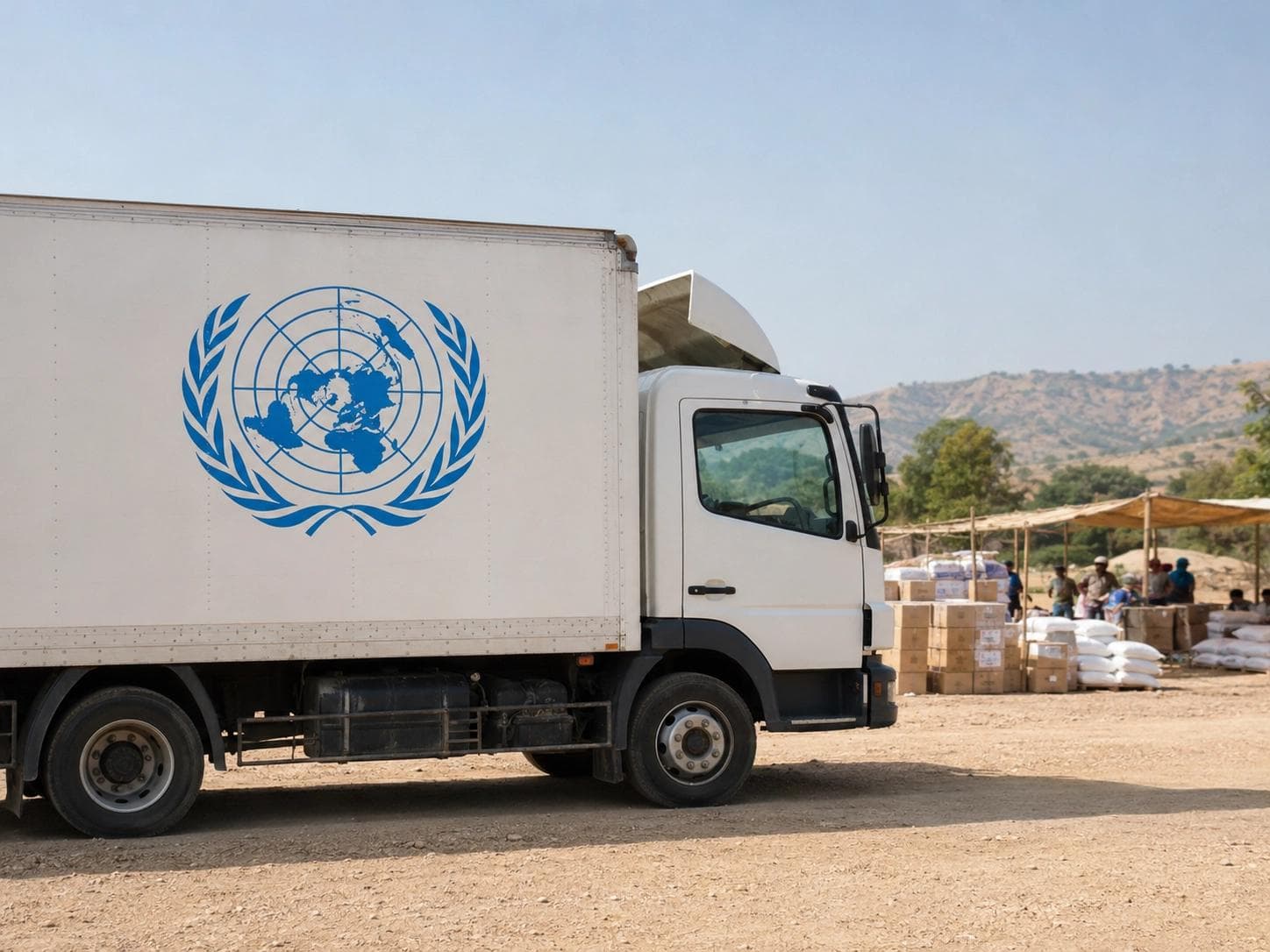
The Venezuela earthquake response has moved further from immediate rescue toward logistics, recovery, and health-risk management. On July 7, the International Rescue Committee warned that a public health emergency could follow the twin quakes, citing strained services and gaps in care. France also said it had sent 85 rescuers to support search and recovery work, according to the French Ministry for Europe and Foreign Affairs. One day earlier, the U.S. Department of War said the 621st Contingency Response Wing had deployed 110 airmen to Simón Bolívar International Airport to help move humanitarian aid.
Why It Matters
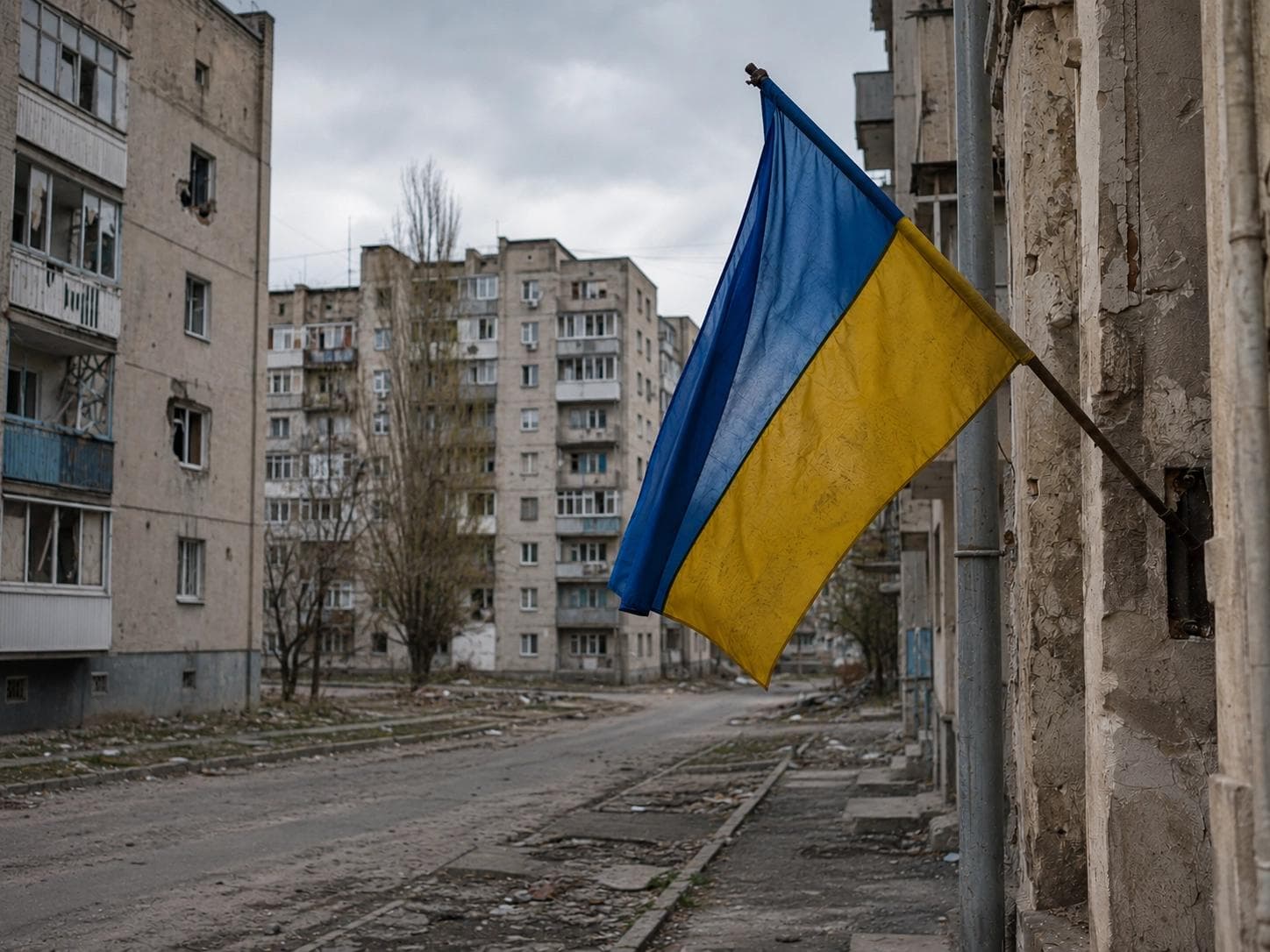
The latest moves show the response entering a more complex phase: outside teams are increasing transport and recovery capacity while local needs are shifting toward medical care, supplies, and burial work. The Associated Press reported that rescue operations are winding down and that families and volunteers are recovering bodies amid limited organized assistance. That follows an earlier transition from rescue to recovery more than a week after the quakes, as GPS previously reported.
Perspective
The aid buildup follows a broader international response that began as casualty figures and infrastructure damage became clearer. On June 29, NPR reported Venezuelan officials’ figure of more than 1,700 deaths. The UK government later matched £2 million in public donations for the Disasters Emergency Committee appeal, while France had said in June it was coordinating with Venezuelan authorities to assess needs, according to the French Ministry for Europe and Foreign Affairs.
What to Watch
Whether airlift capacity at Simón Bolívar International Airport reduces shortages in the hardest-hit communities.
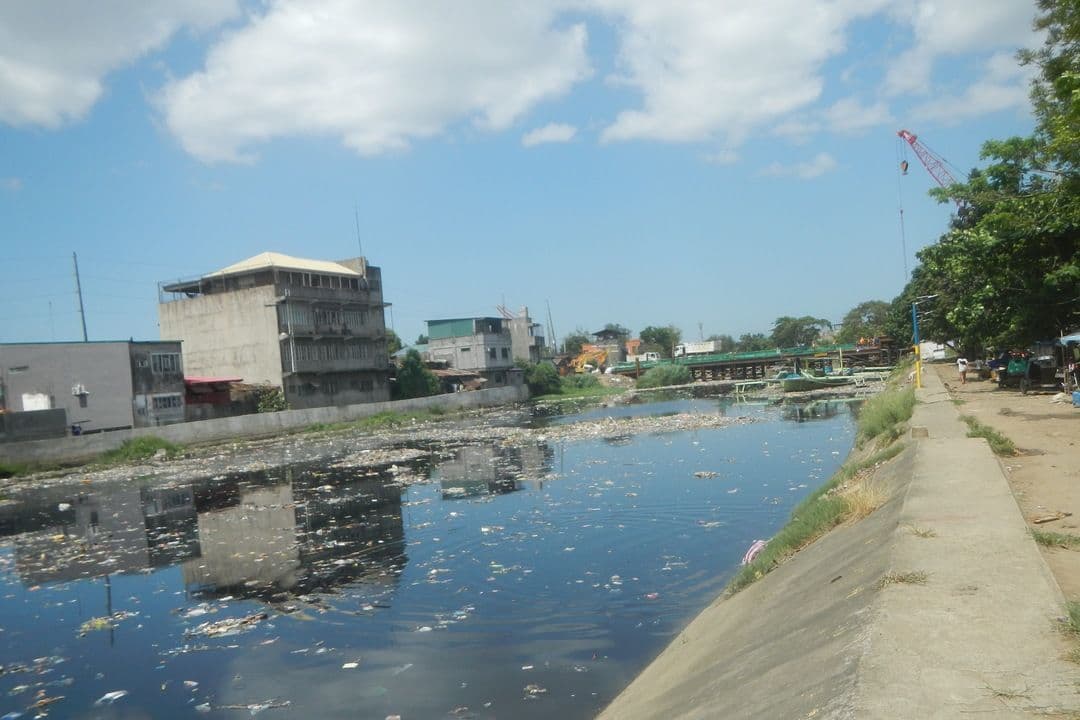
- Updated health indicators, including access to care, sanitation, and disease-prevention measures.
- Coordination between Venezuelan authorities, foreign rescue teams, and humanitarian agencies as recovery replaces rescue.