Central Development
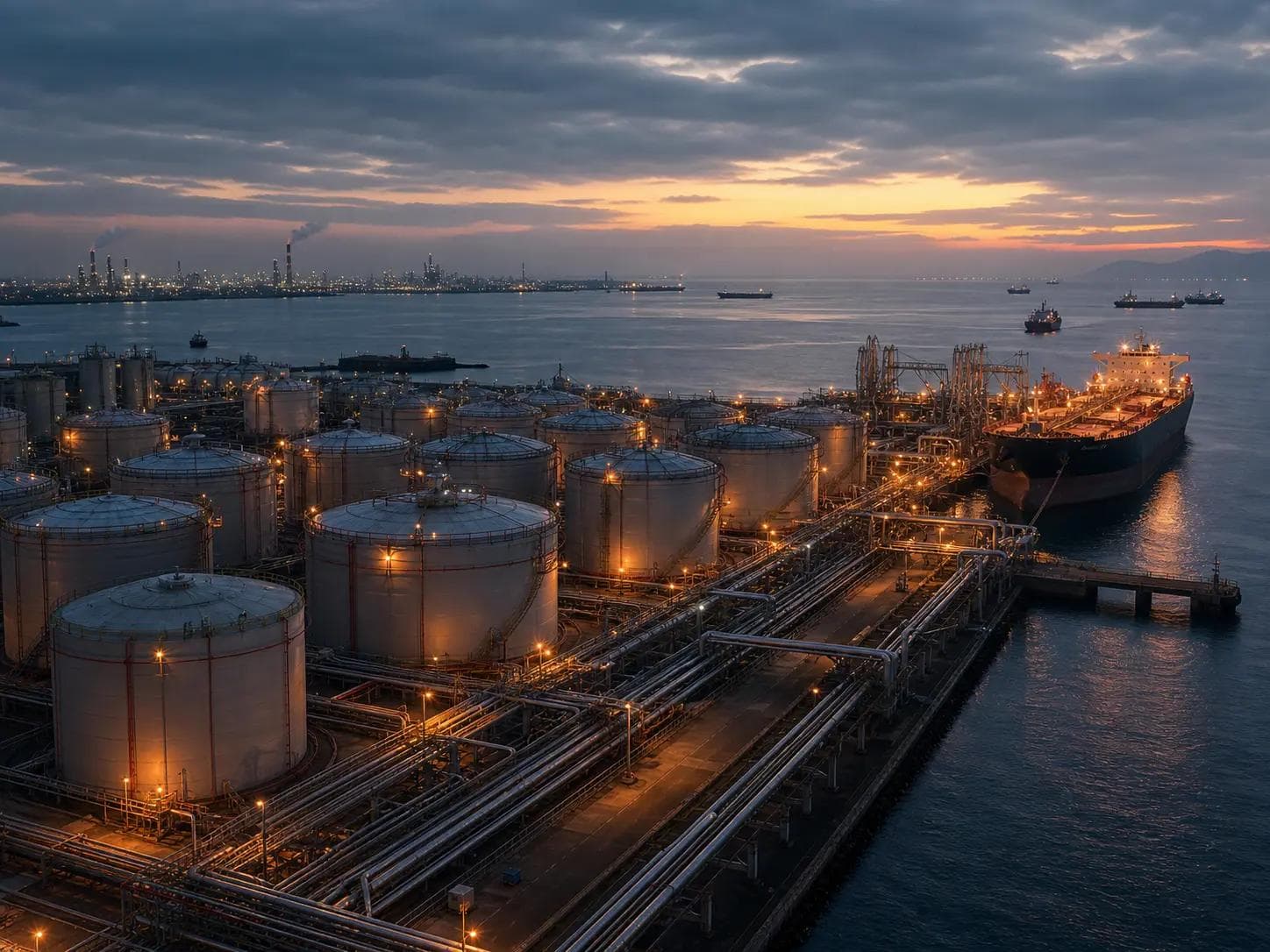
Ukrainian long-range drones struck inside Russia on July 4, including an attack on an oil terminal in St. Petersburg that sparked fires and caused damage, according to AP News. Russian officials also warned of heightened risks to energy infrastructure and signaled concern about potential escalation, AP reported.
Why It Matters
A successful strike on a major energy facility in St. Petersburg underscores Ukraine’s ability to reach deep into Russia and target economically significant assets. Energy infrastructure disruption can impose costs beyond the frontline, complicating industrial output and logistics. In parallel, Ukraine says Russian attacks have degraded its own transport network—claiming more than 200 railway locomotives were damaged in 2026 and that rail capacity has been reduced, as reported by Ground News. Together, these developments point to a contest increasingly focused on striking the adversary’s logistics and energy nodes.
Perspective
Details on the St. Petersburg terminal damage come from Russian authorities and were relayed by AP News; independent assessments were not cited in the reporting. Moscow’s public warnings about energy-sector risks and escalation emphasize deterrence and domestic security concerns. Kyiv’s assertions about rail capacity losses—carried by Ground News—frame Russia’s strikes as strategically targeting civilian-linked logistics; those figures are Ukraine’s claims in the cited reporting.
What to Watch
Operational status and throughput at the St. Petersburg terminal following damage assessments.
- Any Russian retaliatory measures or shifts in air-defense deployments around key energy assets.
- Indicators of expanded Ukrainian long-range UAV use against Russian logistics and energy facilities, including additional strikes reported by outlets such as Ground News.
- Third-party verification of Ukraine’s rail damage claims and measurable effects on freight and military mobility.