Central Development
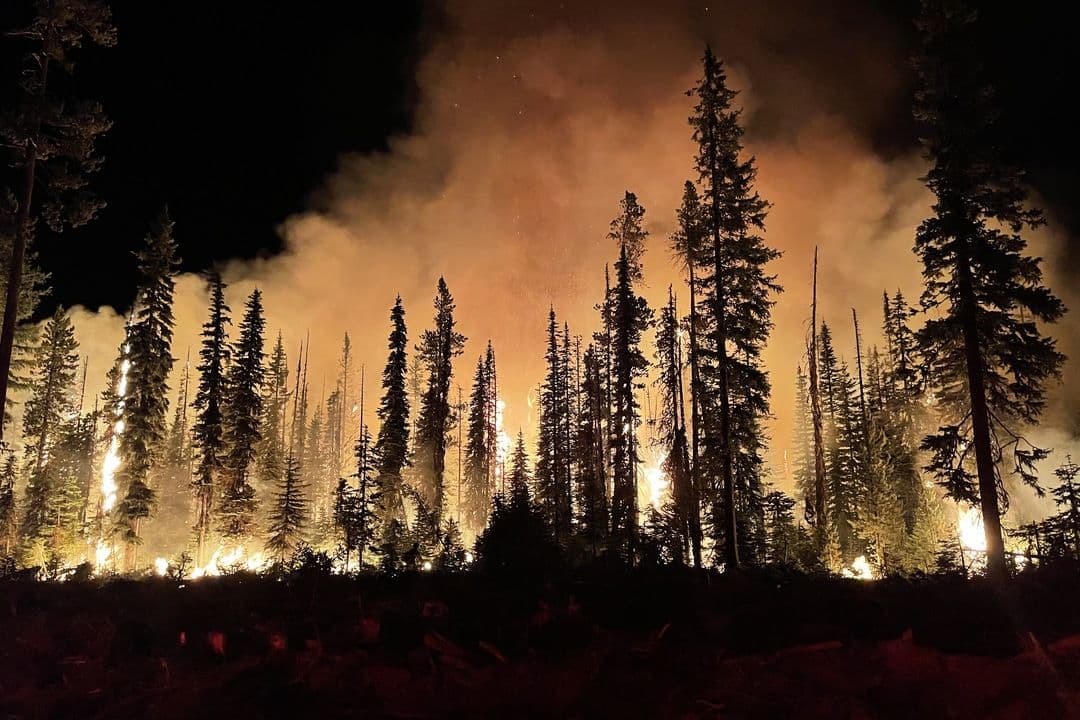
Belgian emergency services moved on Aug. 16 to protect homes, close affected roads and prioritize evacuations as a large wildfire spread, according to AP News. The same report said hundreds of residents were evacuated while firefighters worked to contain the blaze, marking the latest pressure point in a wider European fire season that GPS previously reported was already stretching emergency response systems.
Why It Matters
The new Belgian evacuations matter because the response has shifted from fire suppression alone to direct protection of communities and transport routes. Road closures and home-protection measures indicate that authorities are managing immediate public-safety risks, not only the perimeter of the fire, according to AP News. In a region where cross-border mobility and dense settlement patterns complicate emergency operations, even localized wildfire expansion can quickly become a civil-protection and logistics issue.
Perspective
The strongest supported development is the Belgian emergency response: evacuations, road restrictions and deployment of firefighters are directly reported by AP News. Separate European stress points remain relevant but less central to this episode: reports aggregated by Ground News described emergency alerts and ground-and-air firefighting on Greece’s Salamina island, while Ground News aggregated coverage of a fatal flood response in northwestern Spain. Those events underscore a broader pattern of simultaneous weather-linked emergencies, but they do not change the core fact that Belgium is the main new fire-response focus in this development.
What to Watch
Whether Belgian authorities expand or lift evacuation orders.
- Additional road closures or reopening decisions around affected areas.
- Fire containment updates and any confirmed damage assessments.
- Air-quality warnings if smoke spreads beyond the immediate fire zone.