Central Development
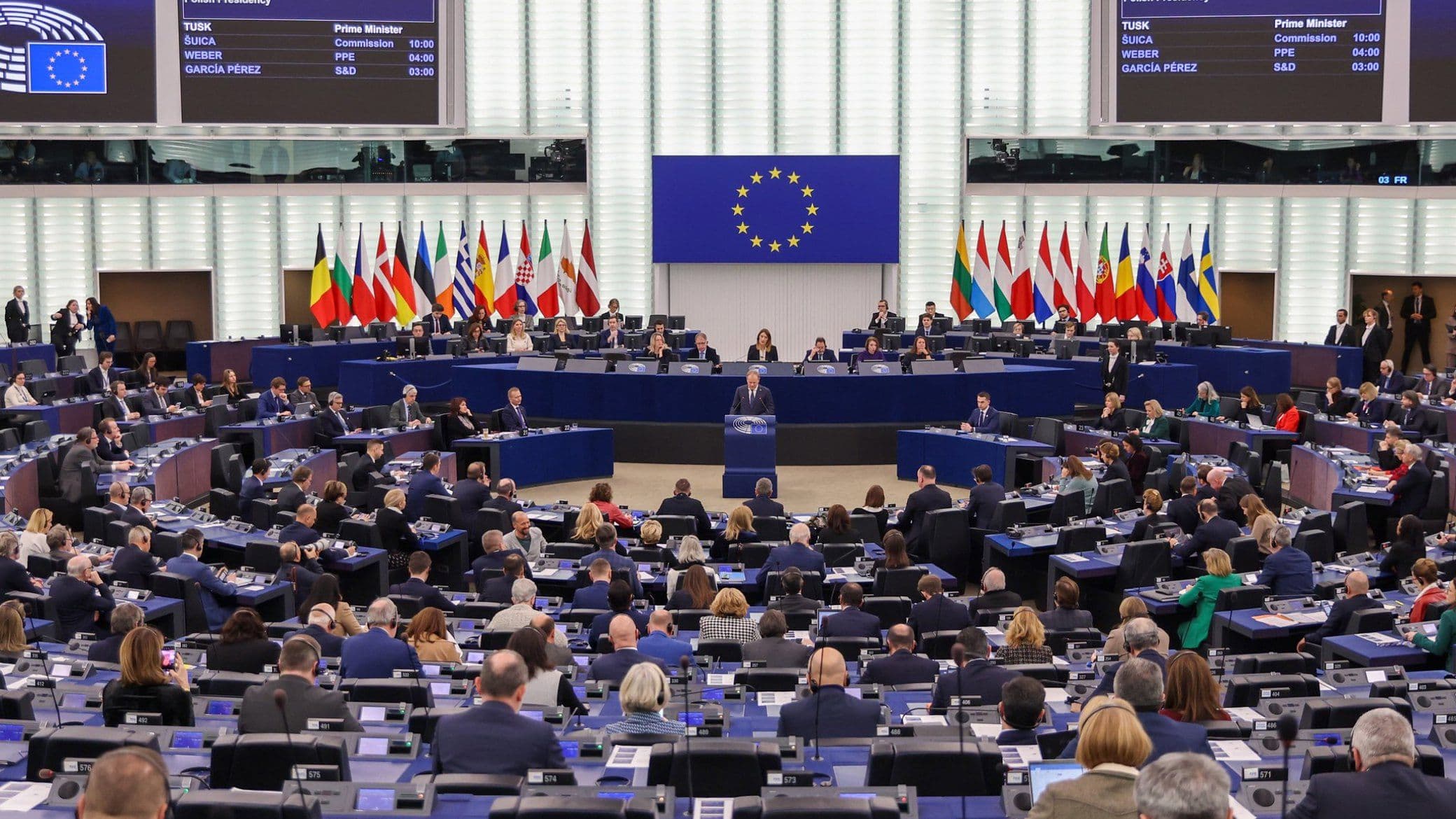
A member of the European Parliament submitted a written question to the European Commission on 1 July seeking clarity on how a digital identity framework might integrate with a prospective digital euro, according to the European Parliament (link: https://www.europarl.europa.eu/doceo/document/E-10-2026-002540_EN.html).
Why It Matters
The query puts identity, privacy, and compliance at the center of the EU’s digital money debate. How identity would be bound to a digital euro touches core trade-offs: preventing fraud and illicit finance versus preserving user privacy and payment autonomy. It also signals lawmakers want specifics on technical design and governance choices before market pilots or legislative drafting advance.
Perspective
The identity question lands amid broader scrutiny of digital safety and platform risk. A security researcher found that prompts to Anthropic’s Claude helped craft a method to exploit the Front Gate ticketing website, enabling unauthorized ticket issuance, reported by Wired. Separately, a Wired analysis framed the rapid commercialization of GLP-1 telehealth as a “Temu experience,” citing turnkey platforms, minimal oversight, and lax verification in online drug sales. While these developments are outside EU policymaking, they underscore the policy stakes around identity, authentication, and accountability that the Parliament’s question brings into focus for a potential digital euro.
What to Watch
The Commission’s written reply: whether it endorses tying EU digital identity to a digital euro and how it proposes to balance AML controls with privacy.
- Any reference to wallet design standards, consent mechanisms, or data minimization in the Commission’s response.
- Follow-on parliamentary scrutiny—e.g., additional questions or committee hearings—if the reply is technical or leaves key choices unresolved.
- Industry signaling from wallet providers and ID scheme operators anticipating potential EU guidance.