Central Development
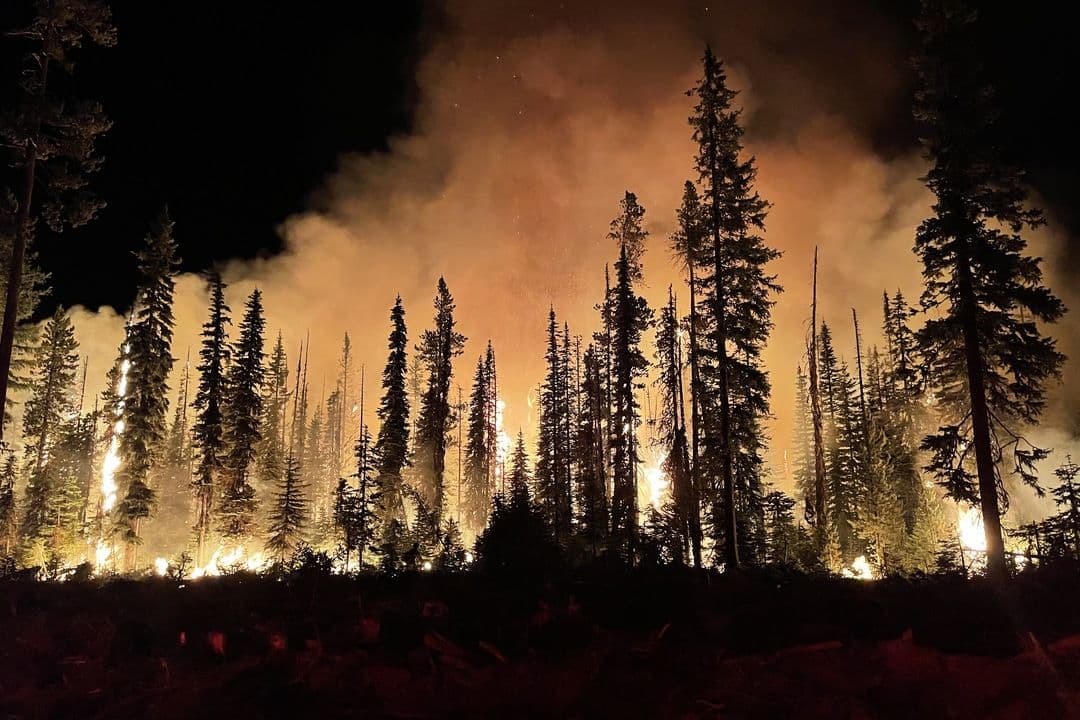
Spain’s August 12 total solar eclipse became a public-safety management test as authorities paired viewing guidance with emergency planning during extreme heat and active wildfires, according to AP News. The new development was not the eclipse itself alone, but the overlap between a rare mass-viewing event and hazardous conditions that required firefighters and emergency services to remain focused on blazes, heat exposure and crowd control.
Why It Matters
The eclipse drew unusually broad public attention across Europe, with NPR reporting that millions stepped outside to watch it near sunset. In Spain, that translated into a planning problem: large numbers of observers moving toward viewing sites while emergency resources were already under pressure from fires and high temperatures, according to AP News. The episode shows how climate-related hazards can complicate even predictable mass gatherings, forcing authorities to manage mobility, health risks and emergency-response capacity at the same time.
Perspective
The available reporting emphasizes public-safety coordination rather than a single national crisis trigger. AP News framed the concern around crowding, travel disruption and strain on emergency services, while NPR focused more broadly on the spectacle across Europe. That difference matters: the central issue in Spain was operational capacity, not whether the eclipse was successfully observed.
What to Watch
Whether Spanish emergency services report post-event strains, evacuations or fire-response delays linked to eclipse crowds.
- Any transport or local-government reviews of crowd management at major viewing locations.
- Updated wildfire and heat advisories that could affect travel or outdoor gatherings after August 12.