Central Development
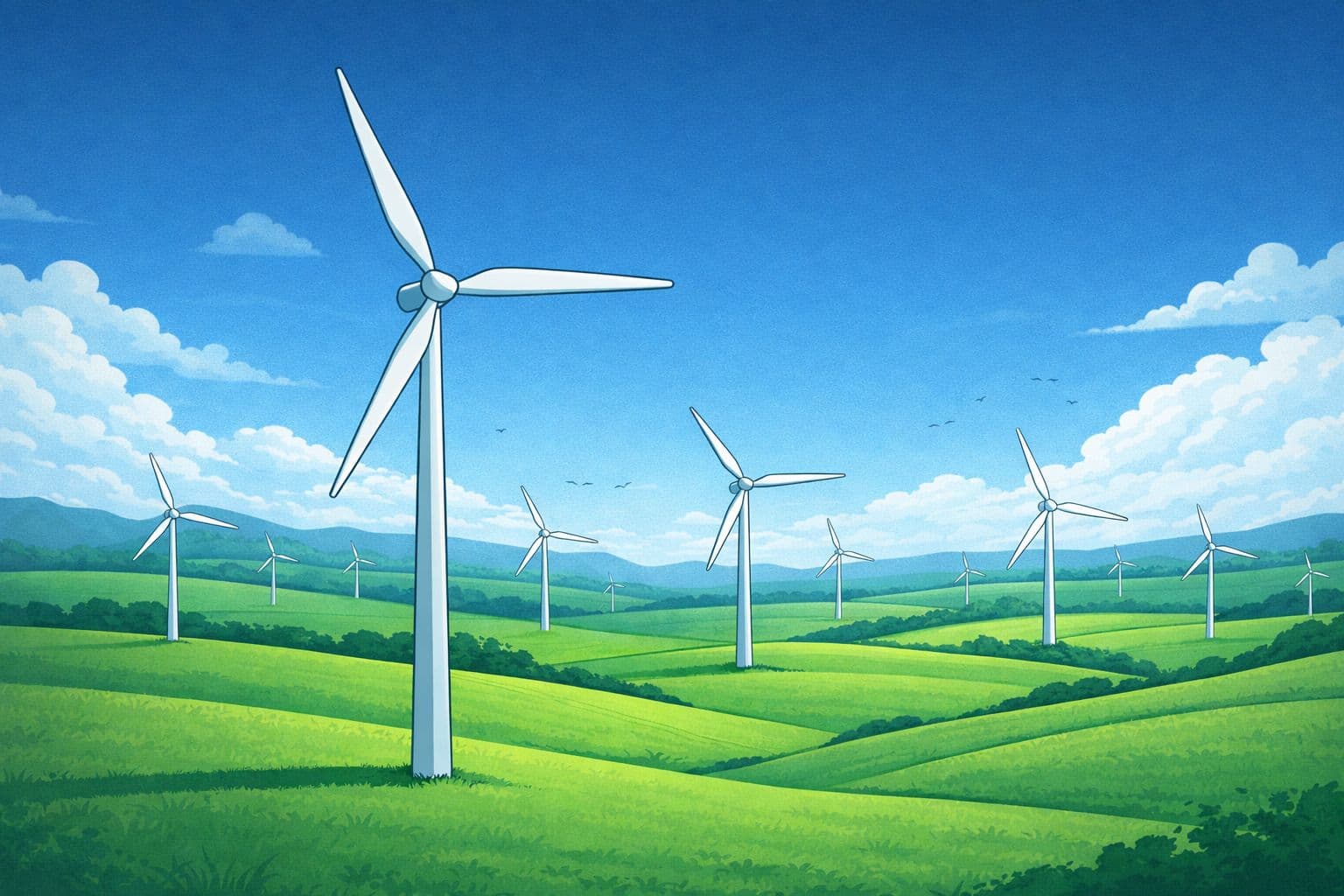
On 1 July, the European Environment Agency said accelerating renewable deployment could avert a potential 125% surge in wholesale electricity prices by 2030 and has already reduced costs, with renewables saving the EU about €29 billion by mid-April 2026, compared with an extra €13 billion driven by global gas price spikes, according to the European Environment Agency. The agency also underscored that sustained price relief depends on balanced progress across renewables, grids, storage, and demand response. In its outlook, the EEA projects renewables to reach roughly 68% of EU electricity generation by 2030.
Why It Matters
The EEA’s assessment links Europe’s power-price resilience directly to the speed and balance of the energy transition, making grid and flexibility investments as pivotal as new wind and solar capacity. Composition also matters: in Q1 2026, solar accounted for 17.3% of renewable electricity generation in the EU, indicating how the mix is evolving, the European Commission reported.
Perspective
The energy shift is aligning with air-quality progress. Most EU countries are on track to meet their 2020–2029 national emission-reduction commitments for key air pollutants, 25 Member States have already achieved their stricter 2030 sulphur dioxide targets, and reported emissions of the five main pollutants were lower in 2024 than in 2005, the European Environment Agency found. Several cities, including Zaragoza, Catanzaro, Valongo, and Rijeka, improved notably in air-quality rankings, reinforcing the co-benefits of cleaner power and emissions control policies.
What to Watch
Quarterly generation-mix updates and whether the EU stays on a trajectory toward a ~68% renewable share by 2030.
- National and EU actions to scale grids, storage, and demand response—the levers the EEA highlights for sustained price relief.
- Member State pollutant inventories and compliance paths, especially maintaining sulphur dioxide gains and broader pollutant reductions.
- Wholesale power price trends relative to EEA scenarios as a test of policy and investment pacing.