Central Development
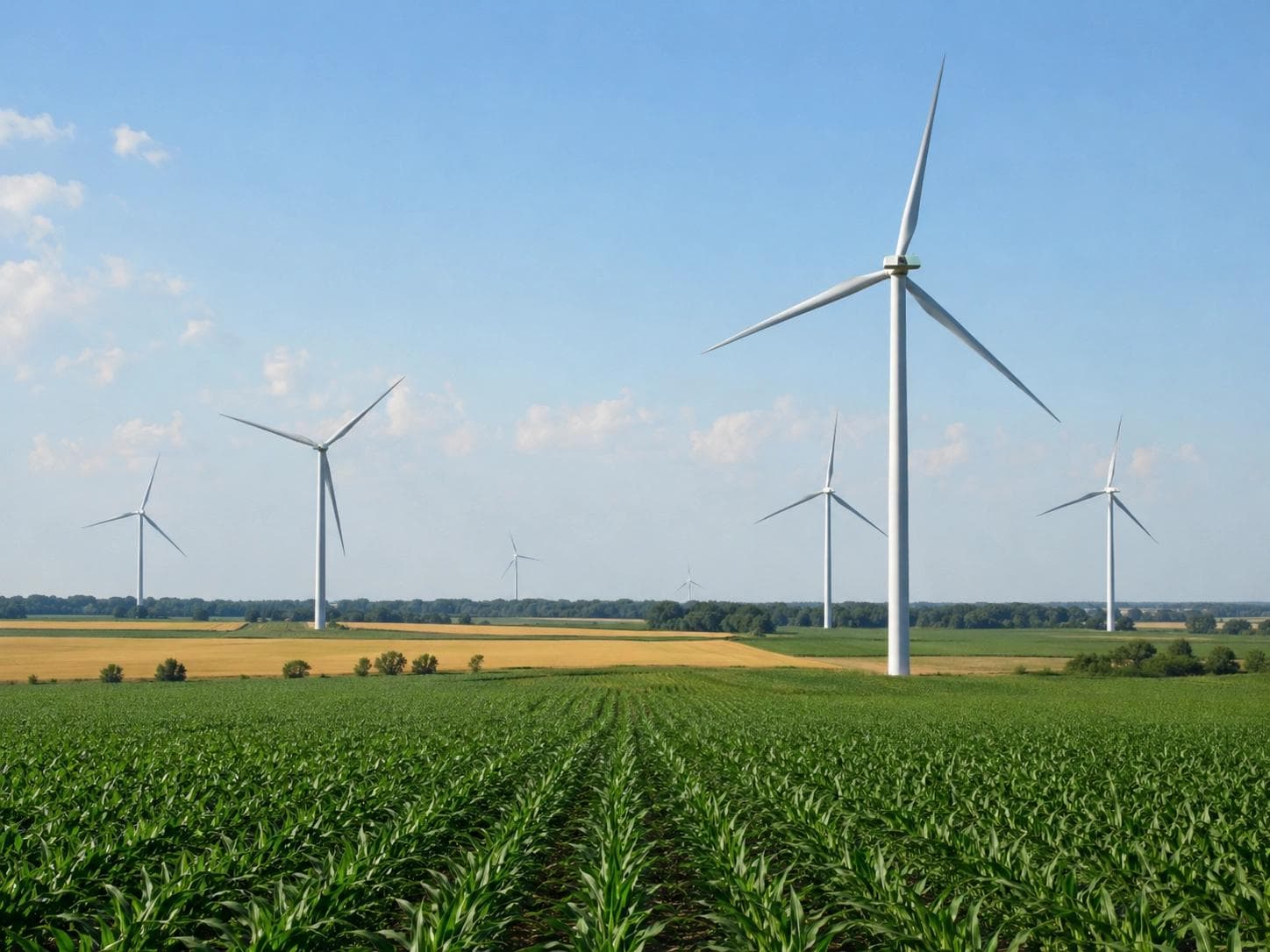
The European Environment Agency put two linked pressures at the center of Europe’s environmental policy agenda: scaling renewable electricity while closing persistent pollution gaps. The agency said renewable power has helped the EU avoid €29 billion in costs, while global gas price spikes added €13 billion, according to the European Environment Agency. It also argued that higher renewable electricity use is important for reducing exposure to international fuel-price volatility and supply disruptions, while warning that the benefits depend on balanced progress in energy infrastructure.
Why It Matters
The EEA’s message connects climate policy with energy security and consumer-cost politics. Its assessments are widely used in EU policymaking, so the emphasis on infrastructure points beyond generation targets to grids, storage, permitting and system planning. In a related pollution assessment, the European Environment Agency said most EU member states are on track to meet national emission-reduction commitments for key air pollutants for 2020-2029, but ammonia emissions, mainly from agriculture, remain a significant challenge.
Perspective
The new EEA framing sits alongside the emissions trend GPS previously reported: long-term EU reductions can coexist with shorter-term setbacks or sector-specific weaknesses. The renewables assessment stresses price resilience and supply security, while the air-pollution update points to uneven progress across sources of emissions. The agency also updated city air-quality rankings and noted improvements in several European cities, according to the European Environment Agency.
What to Watch
EU and national decisions on grid investment, storage and permitting that determine whether renewable generation lowers system-wide costs.
- Agriculture measures aimed at ammonia reductions, especially where member states risk missing pollutant targets.
- Further EEA monitoring that separates broad emissions progress from sector-level underperformance.