Central Development
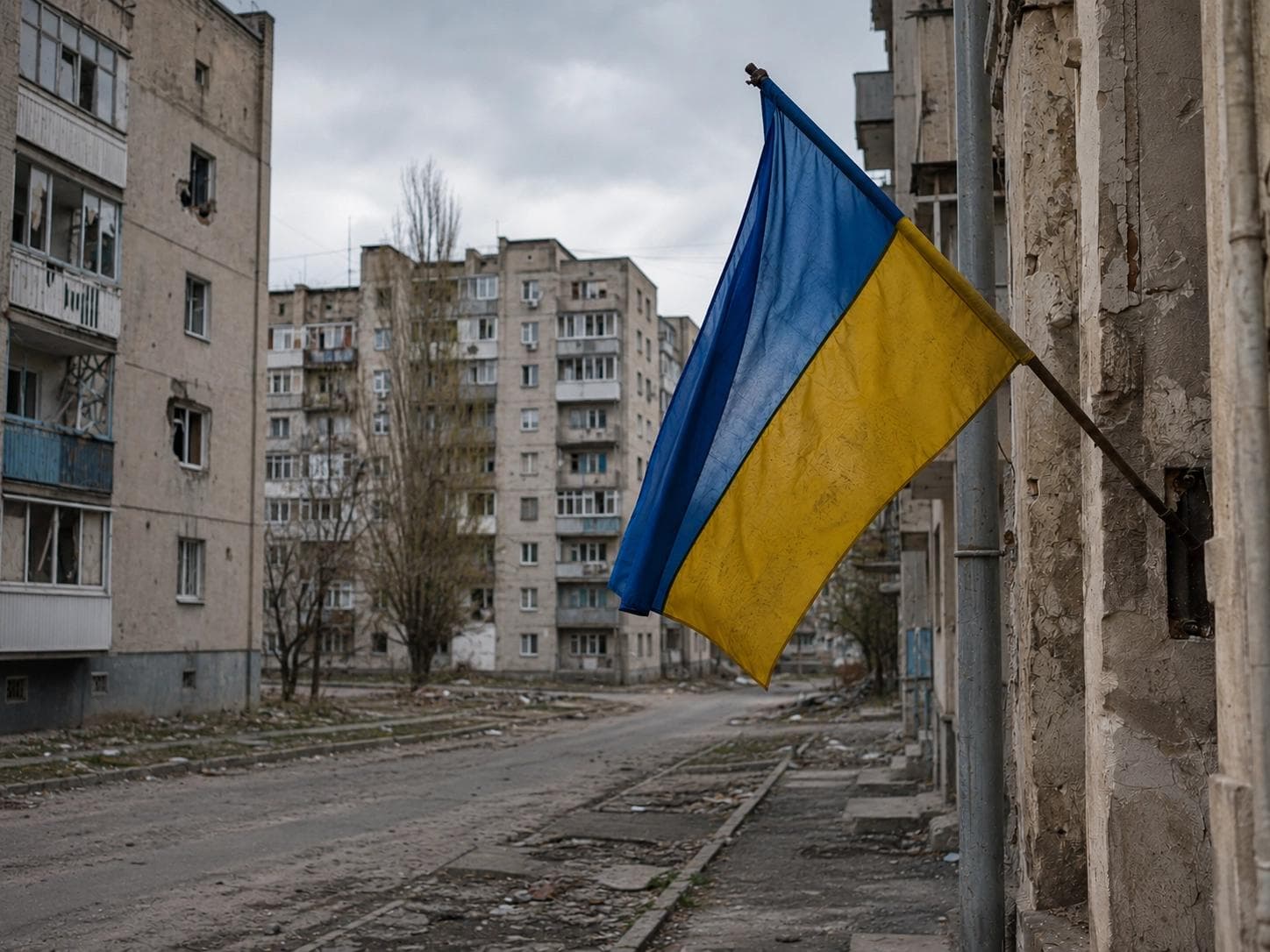
On June 20, Russian forces struck an apartment block in Kharkiv, killing one person and damaging nearby residential buildings; emergency services mounted rescue and recovery operations and local officials reported civilian impacts, according to AP News. The same day, Ukraine conducted drone strikes on energy infrastructure in Russian-controlled territories, including oil and gas refining facilities in Russia’s Tyumen region, as reported by Ground News, which aggregates multiple outlets.
Why It Matters
The Kharkiv strike underscores persistent risks to urban centers near the front and the strain on local emergency response. In parallel, reported Ukrainian strikes on refineries and related infrastructure indicate sustained efforts to degrade Russia’s energy-linked logistics and industrial capacity. Together, the developments point to a phase where urban civilian areas and critical energy assets on both sides face elevated exposure, with potential implications for operational tempo and economic resilience.
Perspective
Key details in Kharkiv—including the death toll and residential damage—are supported by a major wire service. By contrast, information on Ukrainian drone operations in Russian territory is presented via an aggregator, which signals broader reporting but leaves independent damage assessment and official confirmation less clear in this evidence set. The difference in sourcing warrants caution on the extent of impact inside Russia, even as the target set—refining and energy infrastructure—aligns with prior Ukrainian long-range strike patterns.
What to Watch
Additional official updates on casualties, structural integrity, and municipal services in Kharkiv.
- Confirmation from Russian federal or regional authorities on Tyumen-area damage, and any release of imagery or production disruptions.
- Ukrainian statements specifying objectives, target types, and claimed effects of long-range strikes.
- Changes in Russian air-defense deployments or reported intercept rates over energy hubs.