Central Development
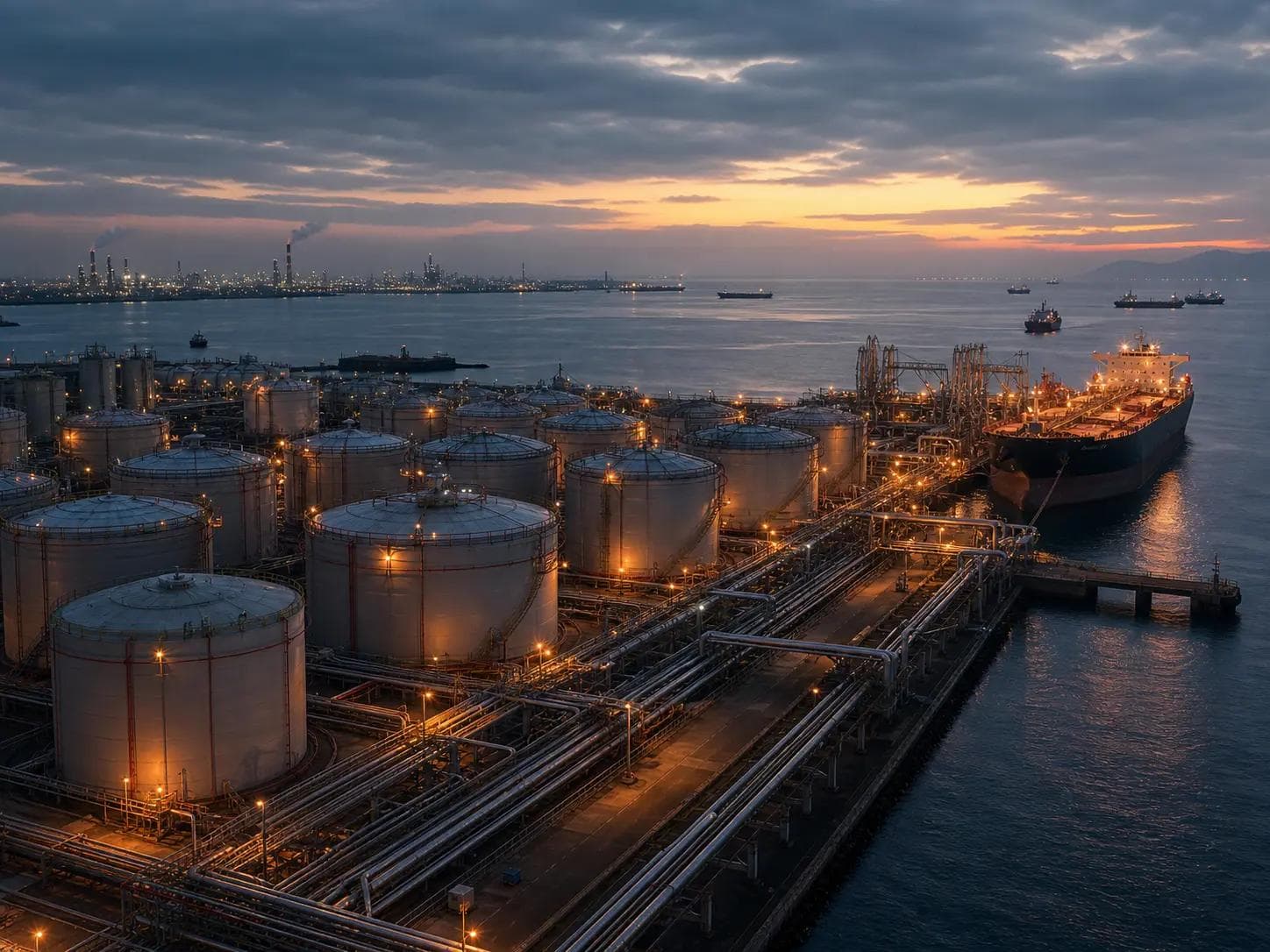
Oil prices fell on Aug. 3 after Donald Trump ordered U.S. forces to hold off on new strikes against Iran, easing immediate fears of a broader military escalation, according to the Associated Press. The market reaction followed Trump’s Aug. 2 statement that planned strikes were being cancelled or paused while negotiations continued; NPR reported that he said the outlines of a deal had been agreed after Iran and other Middle Eastern countries asked the United States to step back.
Why It Matters
The immediate significance is less the announcement alone than the conditional nature of the pause. The Associated Press reported that Trump linked a halt in strikes to specified parameters for a deal intended to end the war and related hostilities, including fighting tied to Israel and Gaza and tensions around the Strait of Hormuz. That makes the arrangement vulnerable to disputes over compliance, sequencing, and verification. As GPS previously reported, Trump had already tied the strike pause to pending deal terms.
Perspective
There is still a gap between presidential signaling and operational certainty. The Associated Press noted a pattern in which public cancellations of military action have been followed by strikes, raising questions about implementation and communication. Regional diplomacy is also part of the signal: the Associated Press reported that Trump said he spoke by phone with Saudi Arabia’s crown prince about the arrangement.
What to Watch
Whether U.S. forces maintain the pause or carry out further strikes.
- Any public detail on the deal parameters Trump referenced.
- Iranian, Israeli, Saudi, and U.S. statements on compliance or escalation.
- Further movement in oil prices tied to Strait of Hormuz risk.