Lead Summary
The conflict involving Iran and US-led forces has entered its sixth week, highlighted by the recent downing of a US military jet—the first such loss to enemy fire in more than two decades. The incident has intensified search operations for a missing American serviceman and raised concerns about escalation and military vulnerabilities in the region.
Key Developments
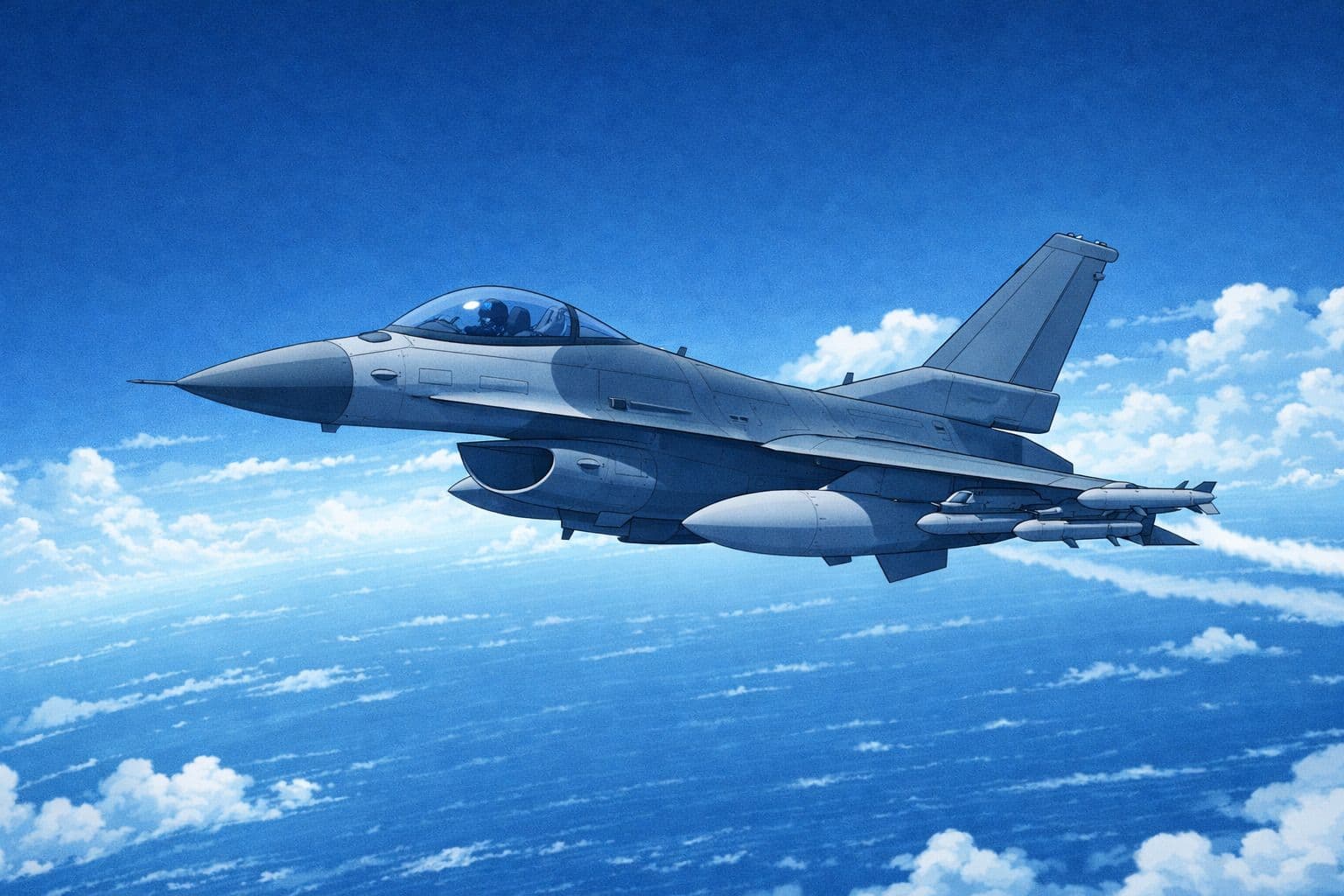
On April 3, 2026, a US fighter jet was shot down over Iran, marking a significant escalation as reported by NPR and confirmed by AP News. This event represents the first US warplane lost to enemy fire in over 20 years, prompting investigations into the circumstances and implications for US military operations.
Following the incident, US officials have intensified efforts to locate the missing serviceman who ejected from the downed aircraft. Iranian authorities and affiliated media have called on the public to assist in finding what they describe as an "enemy pilot," according to AP News.
Meanwhile, Austria officially denied granting the US permission to use its airspace for military operations related to the Iran conflict, as reported by Ground News. This denial underscores diplomatic sensitivities and may influence operational planning.
The conflict continues to involve multiple regional actors, with ongoing military strikes and counterstrikes reported across the Middle East, including actions by Israel and US forces targeting Tehran, as detailed by AP News.
What to Watch Next
The search for the missing US serviceman remains a critical focus, with potential implications for US-Iran relations and broader regional stability. Monitoring diplomatic responses, particularly from European countries regarding military operations and airspace use, will be important. Additionally, the trajectory of military engagements involving Iran, the US, and allied regional actors will continue to shape the security landscape.