Central Development
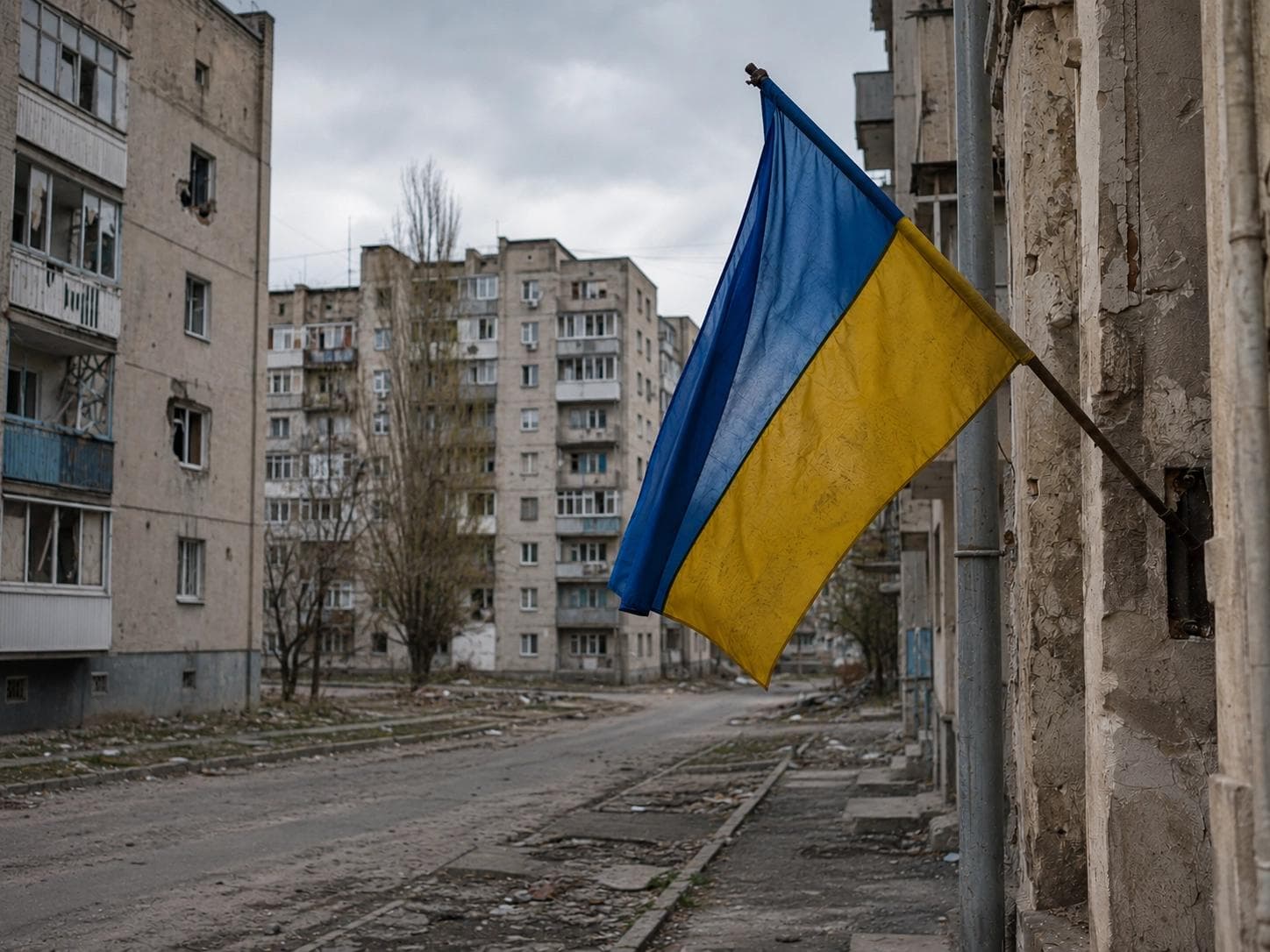
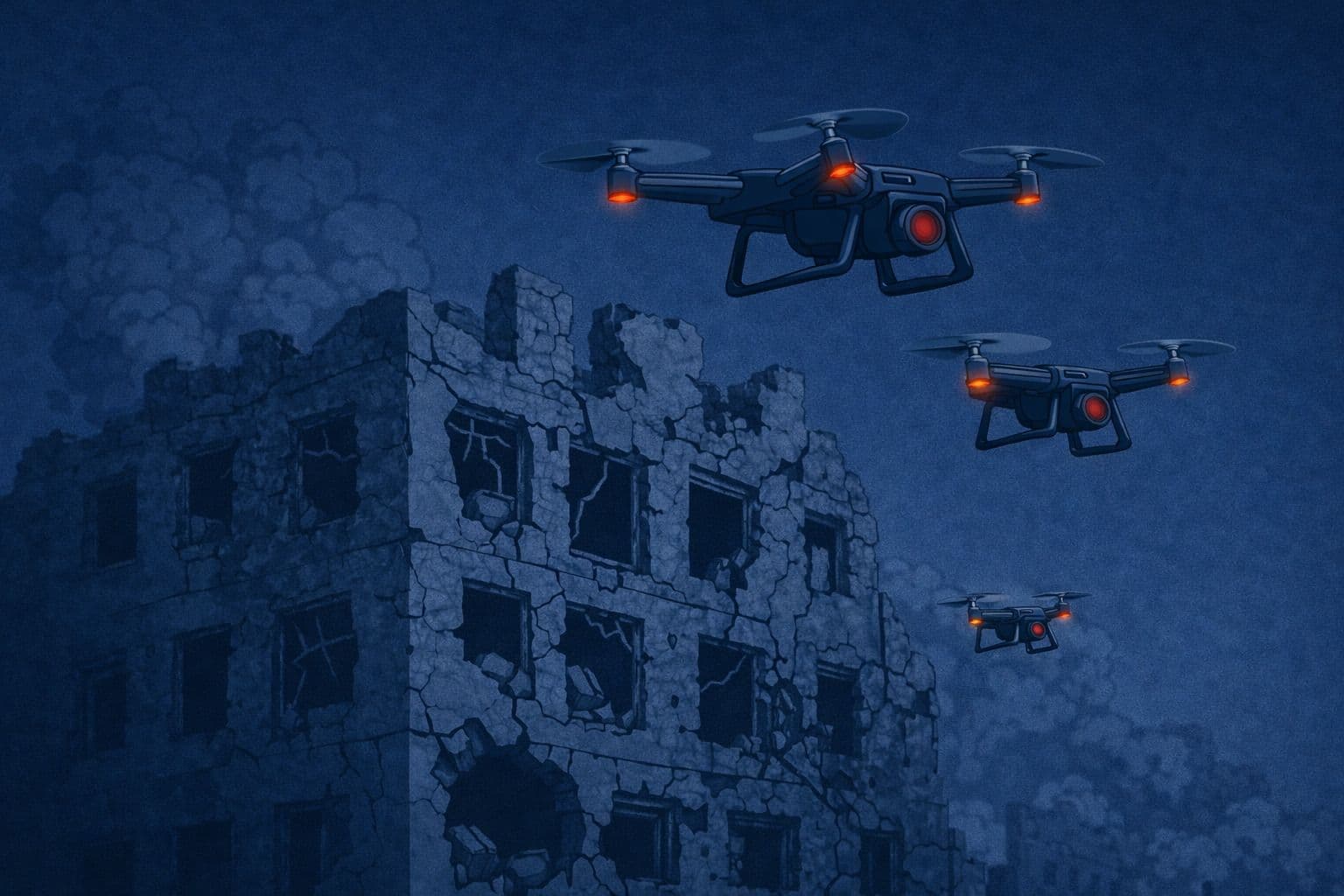
On May 18, Russian forces launched a sustained aerial barrage across Ukraine using missiles and attack drones, with Ukrainian authorities reporting infrastructure damage and service disruptions, according to AP News. Ukrainian air defenses engaged incoming weapons during the attacks, AP News reported. On May 19, Ukrainian drones reached Moscow, exposing vulnerabilities in Russian air defenses, per AP News.
Why It Matters
The back-to-back long-range strikes underscore that the conflict’s strategic depth now extends far beyond the front lines. Repeated barrages across Ukraine pressure civilian infrastructure and services, while a strike reaching Moscow carries political and security implications inside Russia. Together, these actions highlight the operational contest between long-range strike and layered air defense—and the resource and adaptation demands this imposes on both sides.
Perspective
Event reporting from AP News emphasizes the scope of Russia’s May 18 barrage and the May 19 drone penetration of Moscow. Analysis from NPR frames these developments within a possible shift in momentum, citing improved Ukrainian drone capabilities that enable deeper strikes into Russia and noting signs of public weariness inside Russia after years of conflict. These interpretations add context but are distinct from event attribution and casualty estimates, which remain limited in the immediate reporting.
What to Watch
Russian military and Moscow municipal announcements on air-defense posture or new protective measures after the May 19 drone incursion.
- Ukrainian updates on damage assessments and restoration timelines for affected infrastructure.
- Frequency and range of subsequent Ukrainian drone operations toward Moscow or other strategic sites.
- The timing, scale, and targeting patterns of Russia’s next long-range salvos against Ukrainian infrastructure.