On Friday 3 April, former President Donald Trump is navigating a complex political landscape marked by escalating tensions in the Iran conflict and economic concerns such as rising gas prices, which are impacting his political standing and the broader Republican strategy ahead of the U.S. midterm elections. According to NPR, these developments have created short-term political difficulties and may influence longer-term policy agendas.
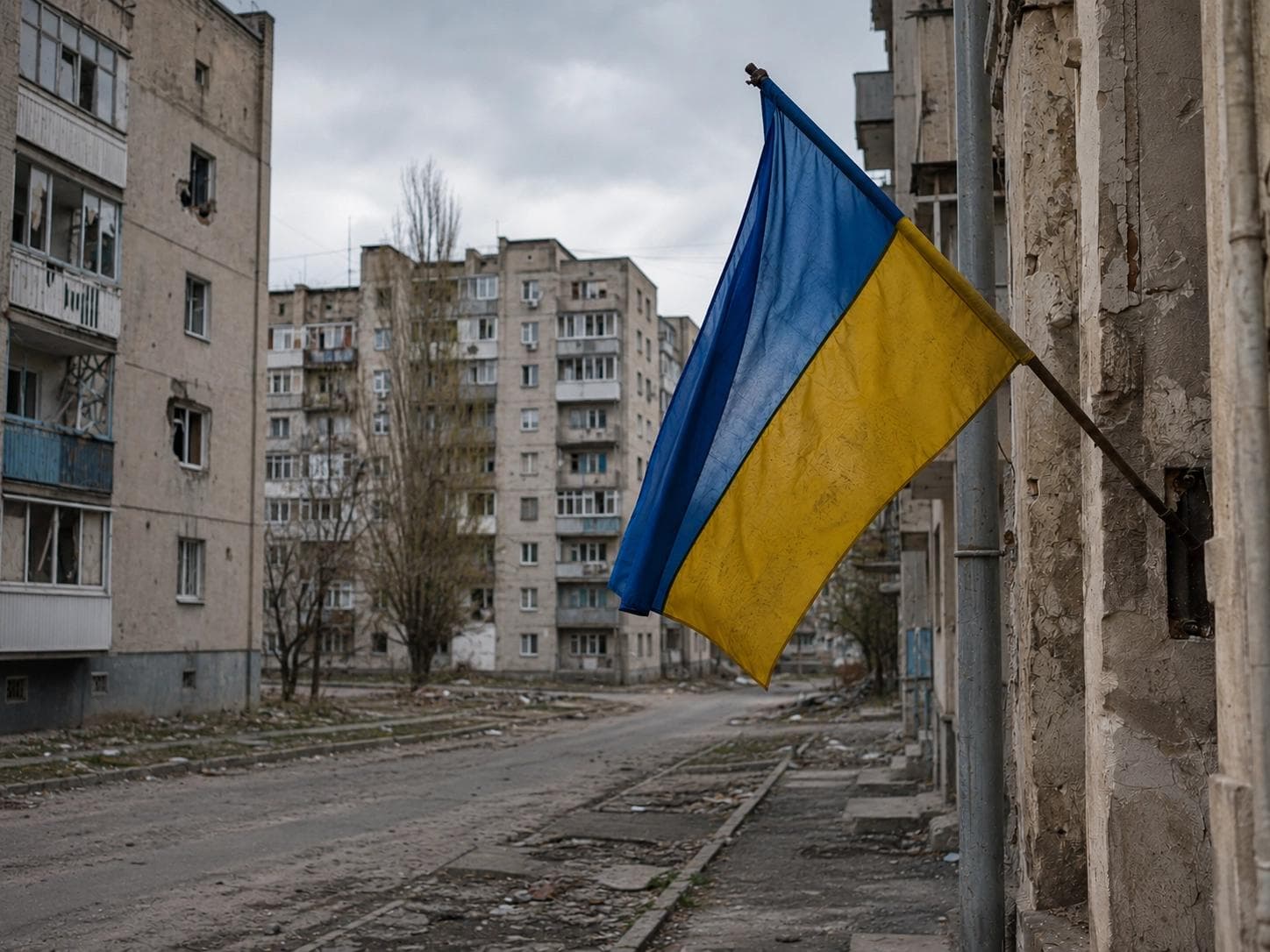
The Republican Party faces an unclear path forward as Trump's messaging leaves party leaders and candidates without a cohesive strategy, complicating voter calculations amid the ongoing Iran war, as reported by AP News. Adding to geopolitical complexities, the Financial Times revealed that Trump threatened European allies with withholding U.S. weapons shipments to Ukraine unless they joined a coalition to secure the Strait of Hormuz, linking military aid to broader regional security objectives.
Domestically, the White House is preparing to release Trump's 2027 budget proposal, which includes a substantial increase in defense spending. This move is expected to intensify congressional debates over federal priorities between military funding and domestic programs, according to AP News.
In other political developments, Senator JD Vance plans to visit Hungary next week to meet Prime Minister Viktor Orban ahead of Hungary's upcoming election, a trip noted by Reuters. Meanwhile, President Trump announced the departure of Pam Bondi as Attorney General, signaling a leadership change at the Department of Justice, as reported by NPR.
What to Watch Next
Observers will be closely monitoring how the Iran conflict continues to influence U.S. domestic politics and the Republican Party's electoral prospects. The reception and congressional response to the 2027 budget proposal will also be pivotal in shaping defense and domestic policy priorities. Additionally, the DOJ leadership transition and international diplomatic engagements, such as Vance's Hungary visit, may have implications for U.S. political and foreign policy dynamics.