Lead Summary
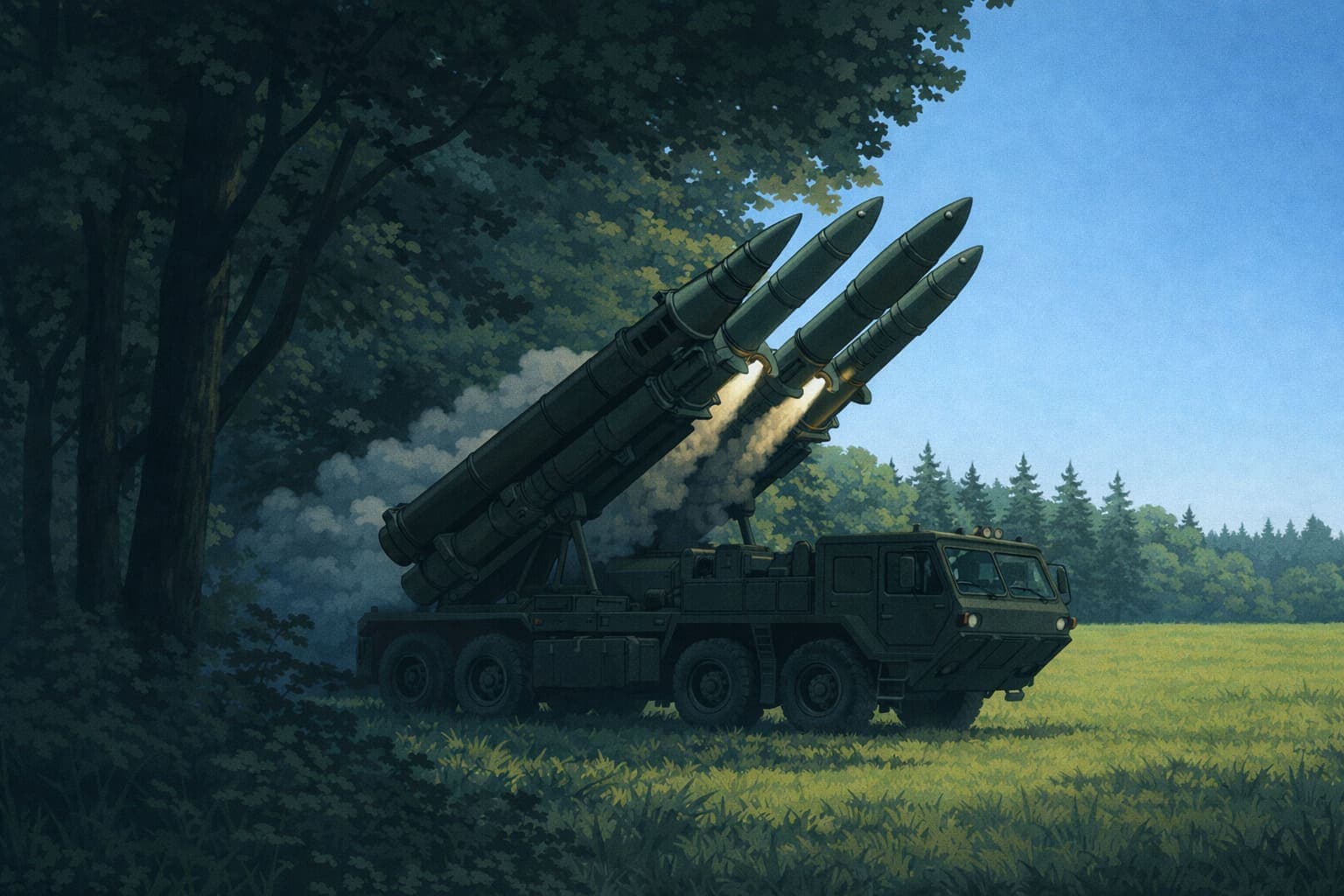
On 2 April 2026, Iran launched ballistic missiles targeting Israel and Gulf states, escalating tensions in the Middle East. These strikes occurred as former U.S. President Donald Trump addressed the nation, advocating for a hardline approach to conclude the conflict. The ongoing hostilities have affected global energy prices and regional alliances, raising concerns about broader instability.
Key Developments
Iran’s missile attacks on Israel and neighboring Gulf countries have continued despite warnings from the U.S., signaling Tehran’s strategic persistence in the conflict. According to AP News, these strikes have heightened fears of regional escalation and complicated diplomatic efforts.
Former President Trump, in a national address reported by NPR, emphasized the need to "hit Iran hard" and "finish the job," signaling a push for intensified U.S. military engagement. His remarks contributed to a 6% rise in oil prices and declines in Asian stock markets, reflecting investor concerns over supply disruptions and geopolitical risks, as detailed by AP News.
The Center for Strategic and International Studies (CSIS) analysis highlights that while the U.S. and Israel have achieved tactical military successes against Iran, Tehran has maintained strategic resilience by enduring attacks and expanding the conflict’s impact beyond its borders. Iranian actions, including the closure of the Strait of Hormuz, have strained U.S. alliances and increased economic pressures globally (CSIS).
CSIS also outlines potential U.S. options to address the Iran nuclear challenge, noting that nuclear considerations will heavily influence the conflict’s trajectory and resolution. Former President Trump referenced at least three nuclear "off-ramps" in his speech that could allow for de-escalation, though each carries distinct trade-offs (CSIS).
Meanwhile, the U.S. Embassy in Baghdad issued security alerts about threats from Iran-backed militias, underscoring the broader regional security risks, as reported by NPR.
What to Watch Next
Observers will monitor whether Iran continues its missile and drone strikes across the Persian Gulf and how regional states respond to escalating threats. The U.S. administration’s next moves regarding military engagement and diplomatic efforts, especially concerning nuclear negotiations, will be critical in shaping the conflict’s future.
Additionally, the impact of the conflict on global energy markets and international alliances remains a key area to watch, given the recent volatility in oil prices and stock markets.