Lead Summary
Water scarcity is reaching critical levels in major cities worldwide, prompting calls for urgent changes in water management. Concurrently, ahead of the 14th WTO Ministerial Conference (MC14) in Yaoundé, 79 WTO members have unveiled a comprehensive environmental sustainability package, signaling a shift toward concrete climate and trade actions.
Key Developments
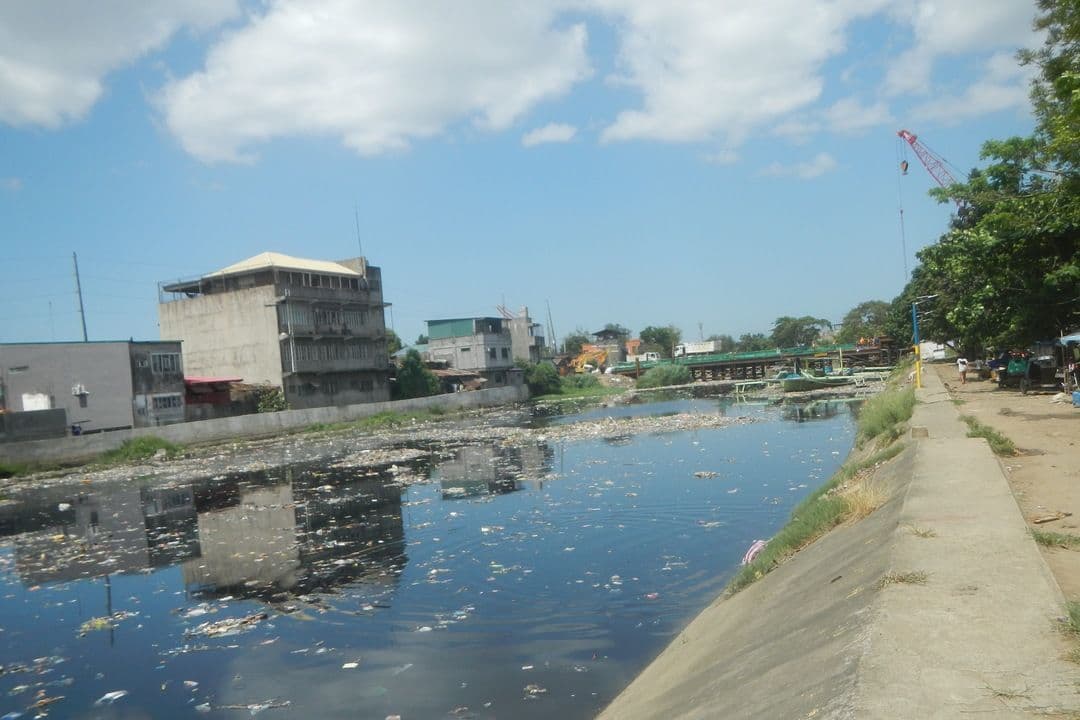
Experts featured in an NPR segment on World Water Day highlighted escalating water shortages in urban centers such as Cape Town, Mexico City, and Chennai. They warn that many regions are approaching “day zero,” the point when municipal water supplies run dry. The discussion emphasized the severe impacts on agriculture and aquifers, underscoring the need for societies to fundamentally rethink water use and management strategies to avoid widespread crises (NPR).
In parallel, the WTO’s Trade and Environmental Sustainability Structured Discussions (TESSD) group released a package of outcome documents summarizing five years of analytical work on trade-environment linkages. This milestone marks a transition from study to prioritized, actionable commitments among 79 member countries. The package aims to integrate environmental sustainability more deeply into trade policies, reflecting a growing international consensus on addressing climate and environmental challenges through multilateral cooperation (WTO).
What to Watch Next
Stakeholders will be closely monitoring the outcomes of MC14 in Yaoundé to assess how WTO members translate the TESSD package into binding or voluntary measures. The effectiveness of these actions will be critical in shaping global trade’s role in environmental sustainability.
Meanwhile, urban planners, agricultural sectors, and water utilities in drought-prone regions face mounting pressure to implement innovative water conservation and management solutions. The evolving water crisis may drive policy reforms and investments in sustainable infrastructure to mitigate risks associated with water scarcity.