Central Development
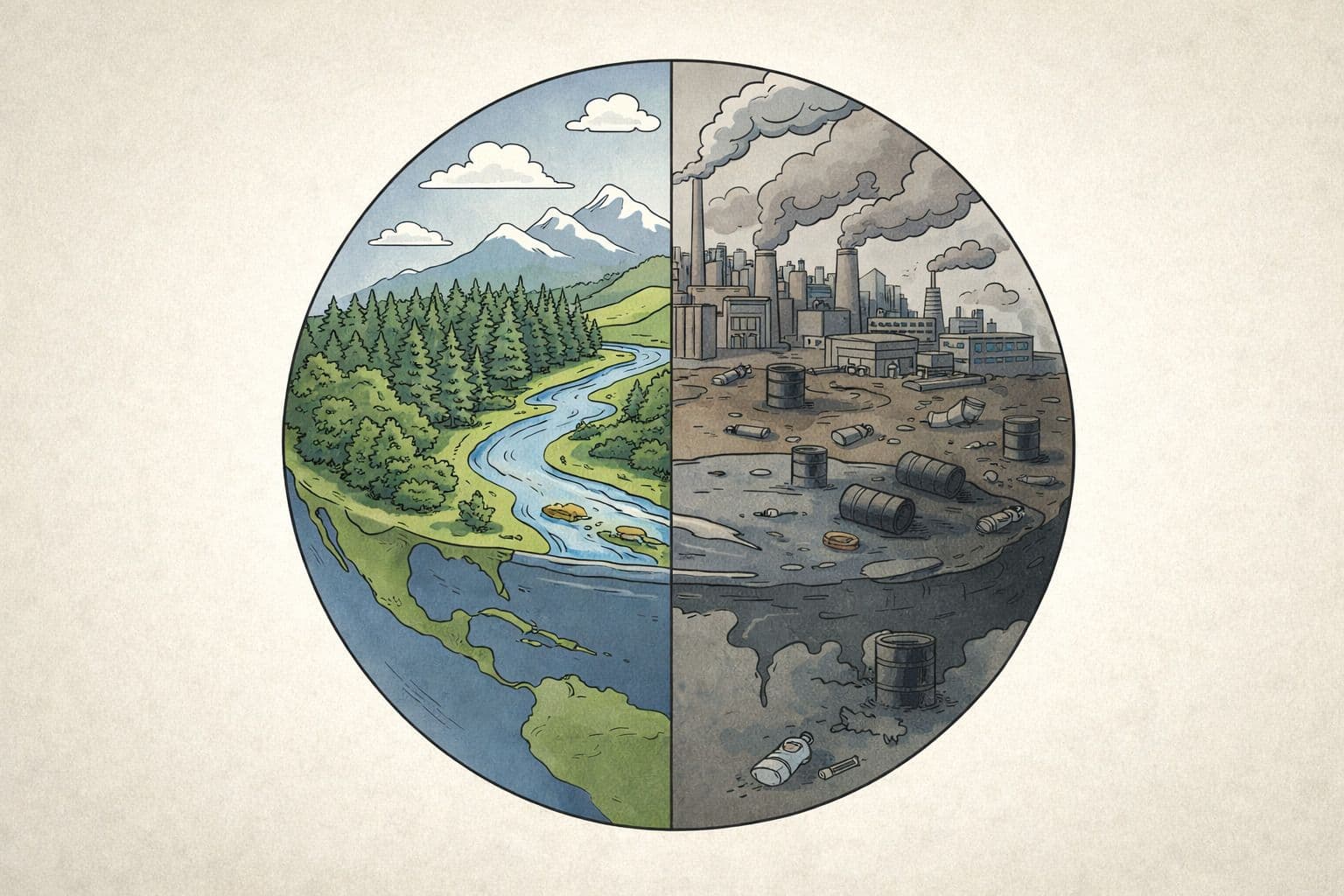
A UC Davis study released on May 8 projects that up to 16% of the planet’s species could face extinction by 2100 and underscores the need for conservation action, according to Ground News.
Why It Matters
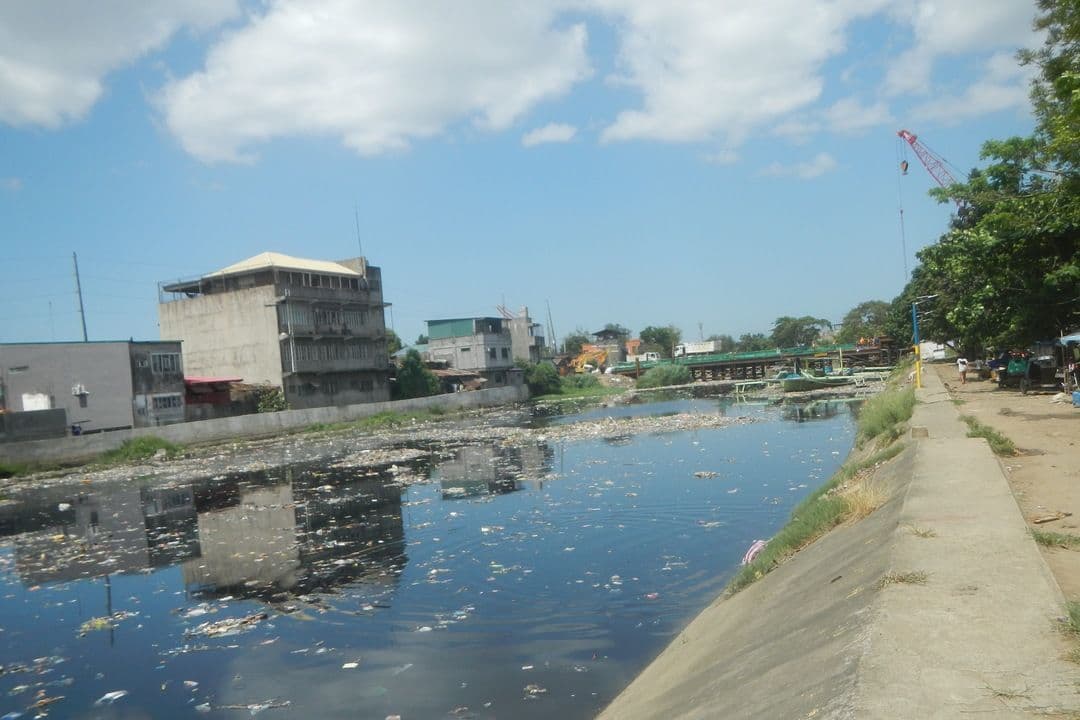
The biodiversity warning lands alongside acute climate and resource pressures. In its May 7 outlook for May 7–13, 2026, FEWS NET highlighted elevated risks of drought and flooding that threaten agriculture, food security, and nutrition. On the energy side, delays in U.S. onshore wind siting reviews are slowing turbine deployment and complicating renewable expansion, AP reported. At the same time, the minerals needed for clean energy carry local trade-offs: NPR reported that Indonesia’s nickel mining has brought jobs and economic activity to some communities but also significant environmental degradation, pollution, and public health concerns.
Perspective
The UC Davis estimate is framed as an upper-bound risk (“up to” 16%), but it amplifies an established policy tension: countries are being asked to expand renewable capacity and secure critical minerals while safeguarding ecosystems. FEWS NET’s near-term hazard outlook focuses on immediate agricultural risks, whereas the AP’s coverage emphasizes bureaucratic holdups—developers report that incomplete Pentagon reviews have delayed or sidelined some onshore wind projects, including near military sites. NPR’s reporting underscores a dual reality in Indonesia’s nickel sector: economic gains paired with mounting environmental and health costs.
What to Watch
Whether the extinction risk finding shapes near-term conservation funding or target-setting.
- FEWS NET updates indicating shifts in high-risk drought/flood zones affecting staple-crop regions.
- Any Pentagon moves to clear wind project review backlogs or adjust siting guidance; measurable by resumed approvals.
- Indonesia’s enforcement or new rules on mining waste and air/water quality; corporate supply-chain policies on responsible nickel sourcing.